


Sulking Meaning in Simple Words
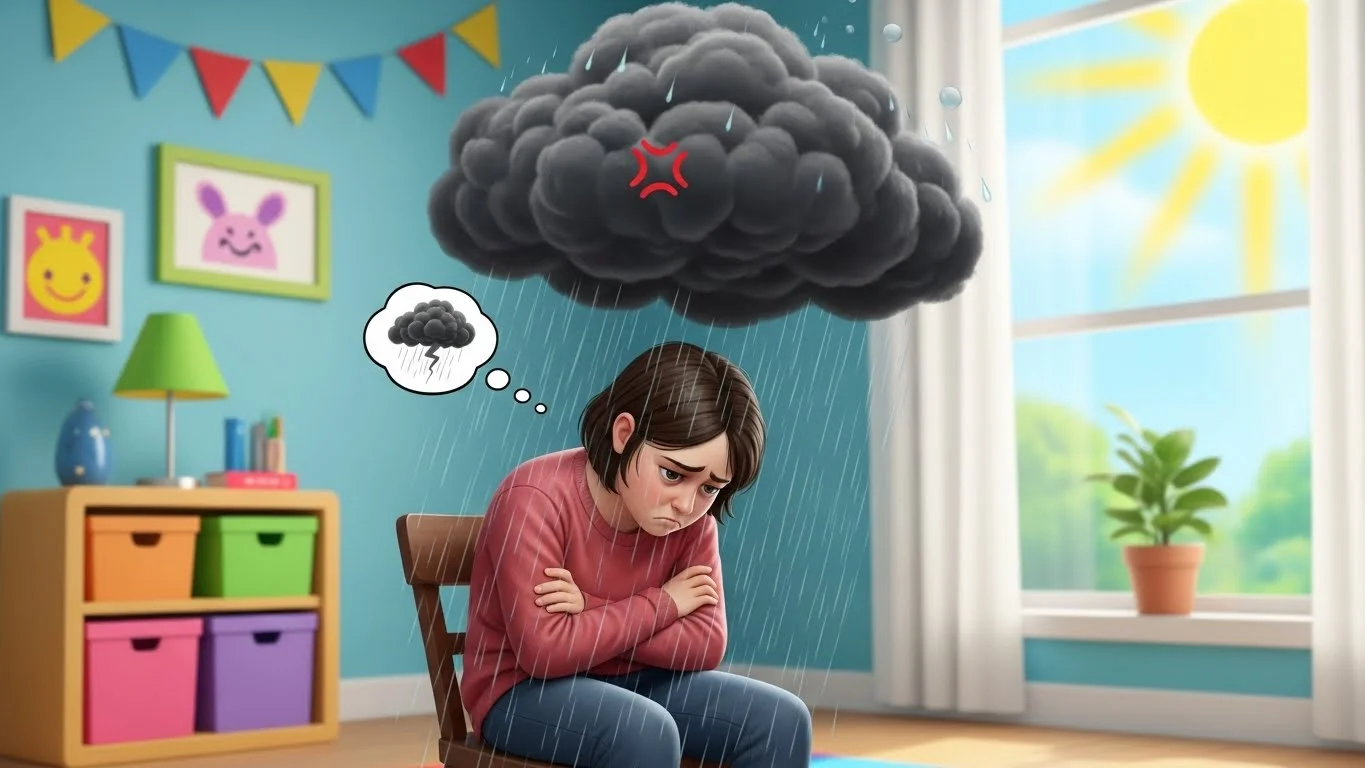
The sulking meaning is staying silent, withdrawn, or moody because you feel upset, hurt, or disappointed, often without clearly explaining why. A person who sulks usually avoids conversation and shows their unhappiness through behavior rather than words.
What Sulking Looks Like in Daily Life
In everyday situations, sulking may look like:
Not responding to questions
Sitting quietly with crossed arms
Avoiding eye contact
Giving short or cold answers
The behavior sends a message: “I’m upset,” without saying it directly.
Emotional Reason Behind Sulking
Sulking often comes from emotions such as:
Hurt feelings
Rejection
Jealousy
Frustration
Feeling ignored or misunderstood
Instead of expressing these feelings openly, the person turns inward.
Is Sulking the Same as Being Angry?
No, sulking and anger are different. Anger is usually loud or direct, while sulking is quiet and passive. Someone who sulks may feel angry, but they choose silence instead of confrontation.
Sulking vs Silent Treatment
Sulking is often emotional and temporary. The silent treatment is usually more intentional and controlling. Sulking may happen without a plan, while the silent treatment is often used to punish or pressure someone.
Why People Sulk Instead of Speaking Up
People may sulk because:
They fear conflict
They don’t know how to express feelings
They hope others will notice and apologize
They feel powerless or unheard
Sulking becomes a way to communicate without talking.
Sulking in Relationships
In relationships, sulking can create tension. One partner may feel confused or blamed without knowing what went wrong. Over time, frequent sulking can damage trust and emotional closeness.
Sulking at Work or School
Sulking can appear in professional or academic settings as:
Withdrawing from teamwork
Showing lack of motivation
Avoiding discussions
This behavior can affect performance and how others perceive you.
Psychological Perspective on Sulking
Psychologically, sulking is considered a passive coping mechanism. It avoids confrontation but does not solve the emotional issue. Over time, it can increase resentment rather than reduce it.
Is Sulking a Learned Behavior?
Yes, sulking is often learned during childhood. Some people grow up seeing sulking as a normal response to disappointment, especially if open communication was discouraged.
Sulking and Emotional Maturity
Sulking is often linked to lower emotional maturity. Emotionally mature individuals tend to express feelings clearly and calmly instead of withdrawing or shutting down.
Cultural Views on Sulking
Different cultures view sulking differently. In some cultures, silence is seen as respectful. In others, sulking is viewed as childish or manipulative. Context matters when interpreting behavior.
Common Misunderstandings About Sulking
Many people misunderstand sulking as:
Being shy
Being tired
Being calm
In reality, sulking usually involves unresolved emotional discomfort.
How to Tell If Someone Is Sulking
Signs include:
Sudden silence after a disagreement
Avoidance of interaction
Moody body language
Passive responses
These signs often appear together.
How Sulking Affects Communication
Sulking blocks healthy communication. It forces others to guess what’s wrong, which can lead to misunderstandings, frustration, and emotional distance.
Healthy Alternatives to Sulking
Instead of sulking, healthier options include:
Expressing feelings calmly
Taking a short break to cool down
Writing thoughts before speaking
Asking for clarity or support
These approaches lead to better outcomes.
How to Respond to Someone Who Is Sulking
When someone is sulking:
Stay calm
Avoid blaming
Invite open conversation
Give space if needed
Forcing conversation often makes sulking worse.
Can Sulking Be Harmful Over Time?
Yes, long-term sulking can harm relationships, mental health, and self-esteem. Suppressed emotions often resurface as resentment or emotional burnout.
When Sulking Becomes a Habit
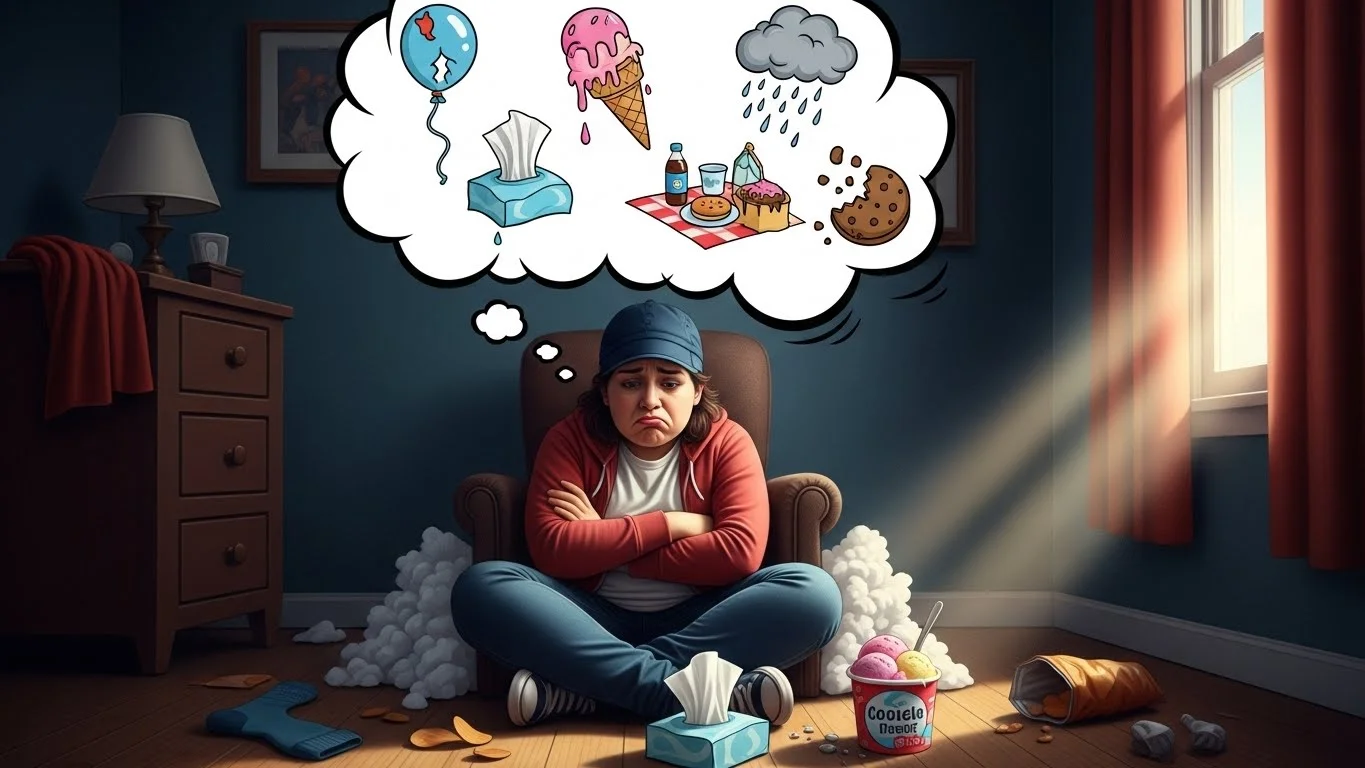
If someone sulks regularly, it may become a communication habit. At this point, professional guidance or intentional communication practice can help change the pattern.
Sulking Meaning in Modern Usage
Today, the sulking meaning is commonly used to describe passive emotional withdrawal, especially in relationships, workplaces, and social settings. It often carries a negative tone, implying emotional avoidance.