

What Is the Meaning of Tachycardia?
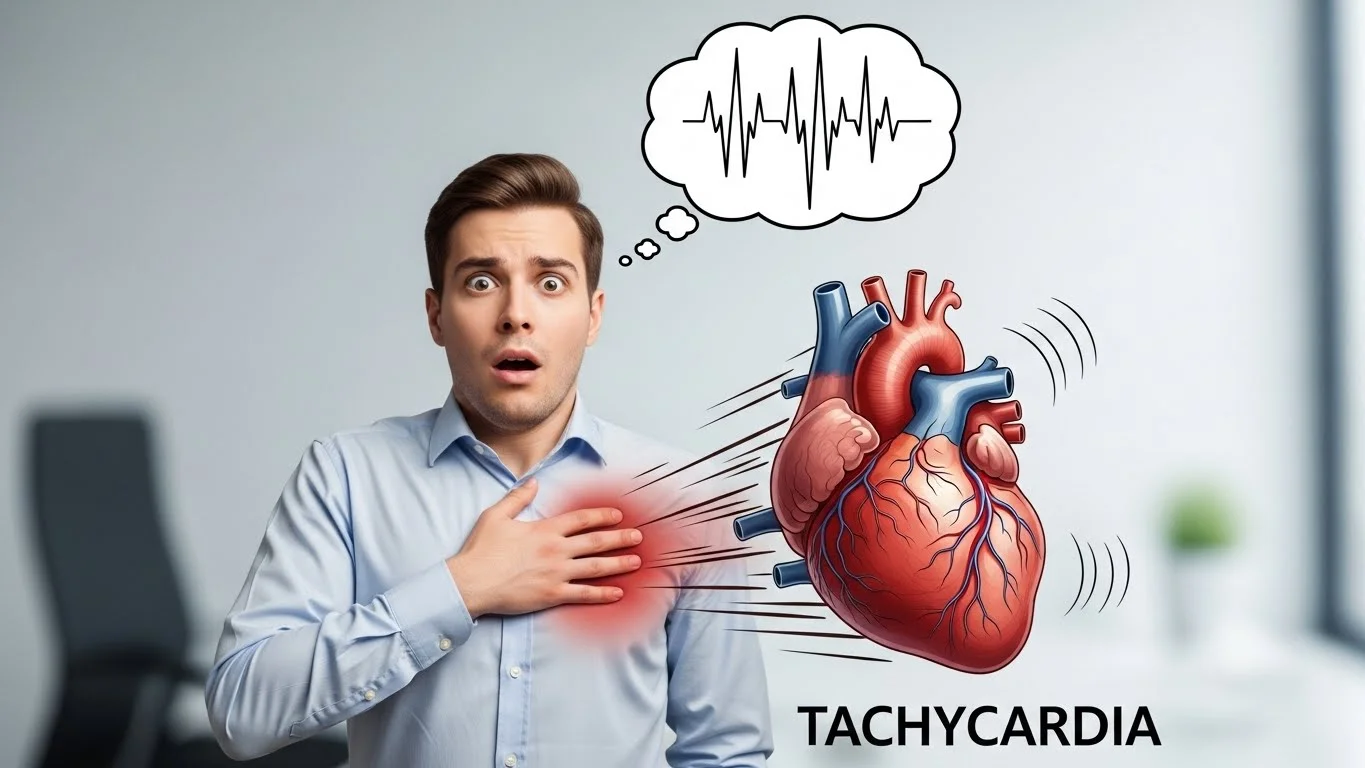
The tachycardia meaning refers to a faster-than-normal heart rate. In adults, this usually means a heart rate over 100 beats per minute while at rest.
The Basic Medical Definition of Tachycardia
In medical terms, tachycardia is a condition where the heart beats faster than expected due to changes in heart rhythm, signals, or body demands.
Tachycardia Meaning in Simple Words
In simple words, tachycardia means your heart is beating too fast compared to what is normal for your body at rest.
What Is a Normal Heart Rate?
A normal resting heart rate for most adults ranges from 60 to 100 beats per minute. Anything consistently above this range may be considered tachycardia.
Tachycardia Meaning in Daily Life
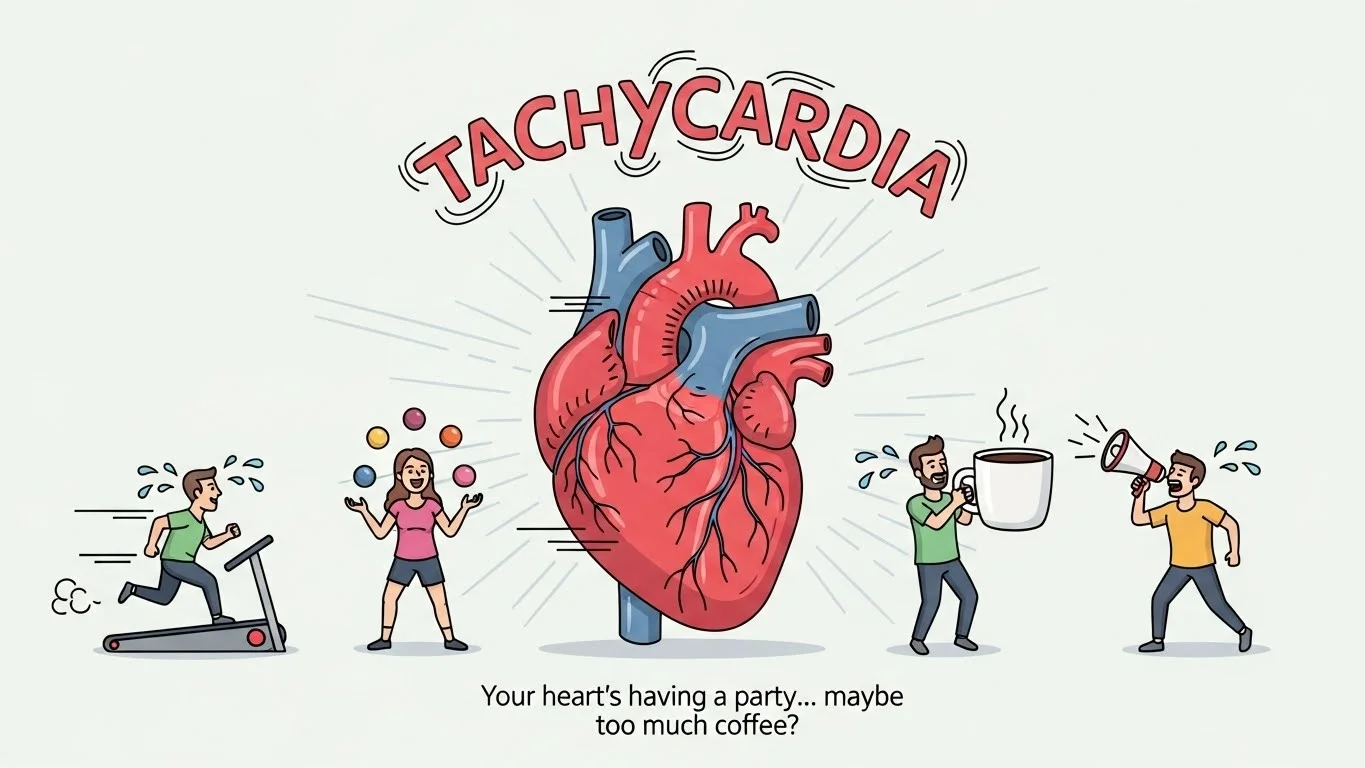
In everyday life, people may experience temporary tachycardia during:
Exercise
Stress or anxiety
Fear or excitement
Fever or dehydration
In these cases, it is often normal and short-lived.
Is Tachycardia Always Dangerous?
No. Tachycardia is not always dangerous. Some types are harmless and temporary, while others require medical attention depending on cause and symptoms.
Types of Tachycardia Explained Simply
There are several types of tachycardia, including:
Sinus tachycardia
Supraventricular tachycardia
Ventricular tachycardia
Each type differs in cause and seriousness.
Sinus Tachycardia Meaning
Sinus tachycardia happens when the heart beats fast due to normal triggers like exercise, stress, or illness. It is often the body responding appropriately.
Supraventricular Tachycardia Meaning
This type occurs when abnormal electrical signals cause sudden fast heartbeats. It often starts and stops suddenly and may cause palpitations.
Ventricular Tachycardia Meaning
Ventricular tachycardia starts in the lower chambers of the heart and is more serious. It usually requires immediate medical evaluation.
Tachycardia Meaning in Medical Diagnosis
Doctors diagnose tachycardia using tools like heart rate monitoring, ECGs, and physical exams to understand the underlying cause.
Common Symptoms Associated With Tachycardia
Some people feel no symptoms, while others may experience:
Rapid heartbeat
Dizziness
Shortness of breath
Chest discomfort
Fatigue
Tachycardia Meaning vs Palpitations
Tachycardia: an actual fast heart rate
Palpitations: the feeling of being aware of your heartbeat
You can have one without the other.
Tachycardia Meaning in Emergency Situations
Tachycardia becomes concerning when it happens suddenly, lasts long, or comes with chest pain, fainting, or severe shortness of breath.
Common Causes of Tachycardia
Tachycardia can be caused by:
Stress or anxiety
Exercise
Fever
Caffeine or stimulants
Heart conditions
Hormonal changes
Temporary vs Chronic Tachycardia
Temporary tachycardia: short-term and often harmless
Chronic tachycardia: ongoing and may need treatment
Tachycardia Meaning in Fitness and Exercise
During exercise, a fast heart rate is normal and healthy. This is not usually considered medical tachycardia unless it occurs at rest.
Common Misunderstandings About Tachycardia
Many people believe:
Tachycardia always means heart disease
A fast heartbeat is always dangerous
Young people cannot get tachycardia
These are not always true.
How Tachycardia Is Commonly Treated
Treatment depends on the cause and may include lifestyle changes, medications, or medical procedures in certain cases.
Why Understanding Tachycardia Meaning Matters
Understanding the tachycardia meaning helps people recognize when a fast heart rate is normal and when it may need medical attention.
How to Use Tachycardia in a Sentence
Examples:
The doctor diagnosed her with tachycardia.
Exercise can cause temporary tachycardia.
Stress-induced tachycardia is common.