
What Does Migraine Mean?
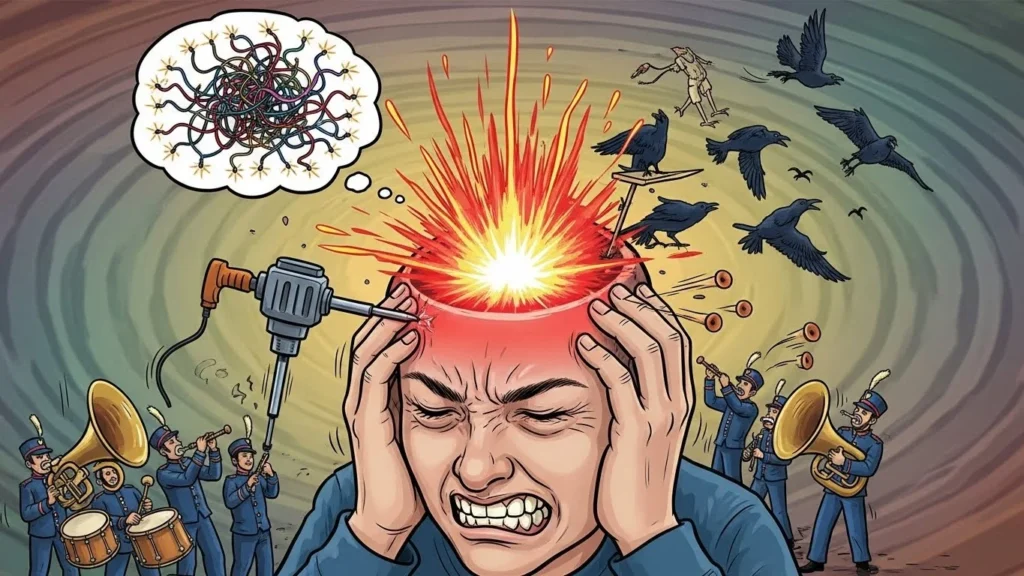
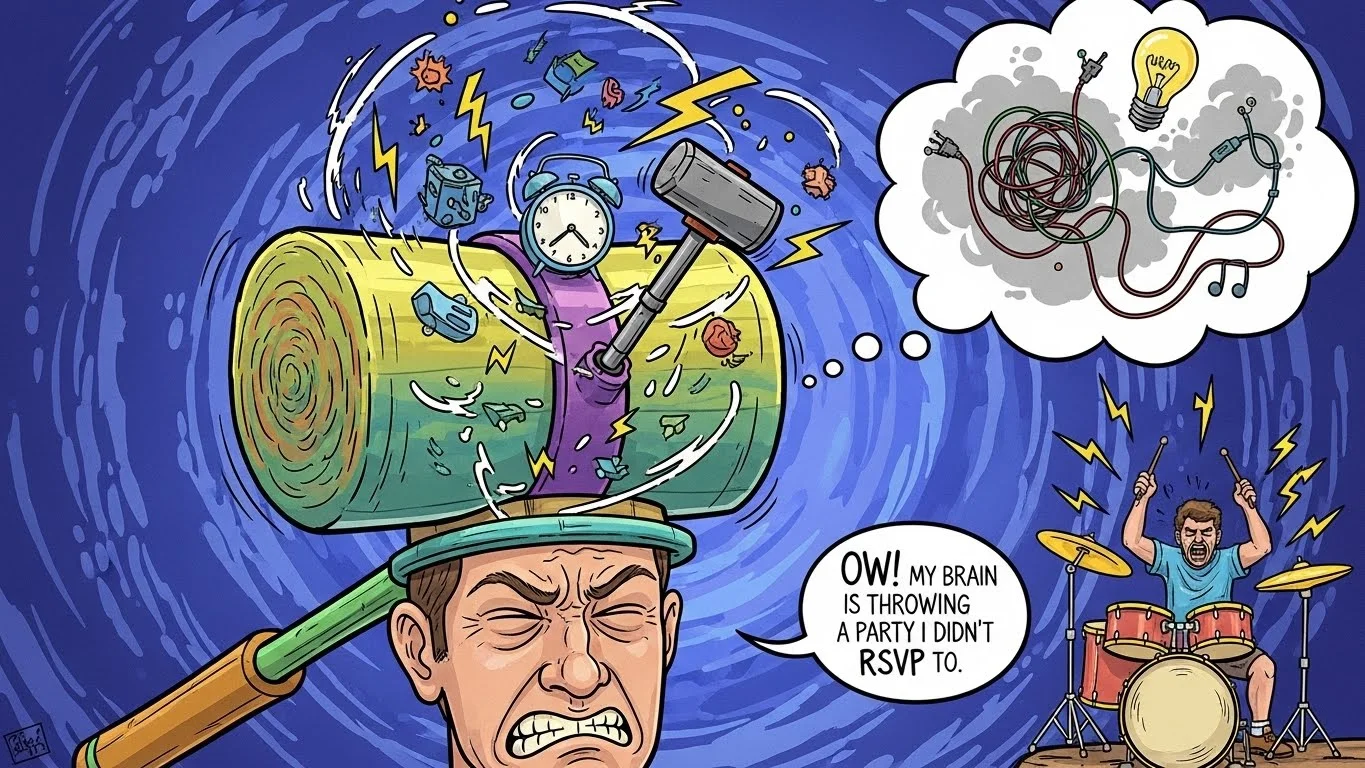
The migraine meaning refers to a neurological condition that causes intense, recurring headaches along with other symptoms such as nausea, sensitivity to light, or visual disturbances.
The Basic Medical Definition of Migraine
Medically, a migraine is a disorder of the nervous system that affects how the brain processes pain and sensory signals. It is more than just head pain.
Migraine Meaning in Simple Words
In simple words, a migraine is a severe headache that often comes with other uncomfortable symptoms and can last for hours or even days.
Migraine vs Regular Headache
A regular headache is usually mild and short-lived.
A migraine is stronger, lasts longer, and often interferes with daily life.
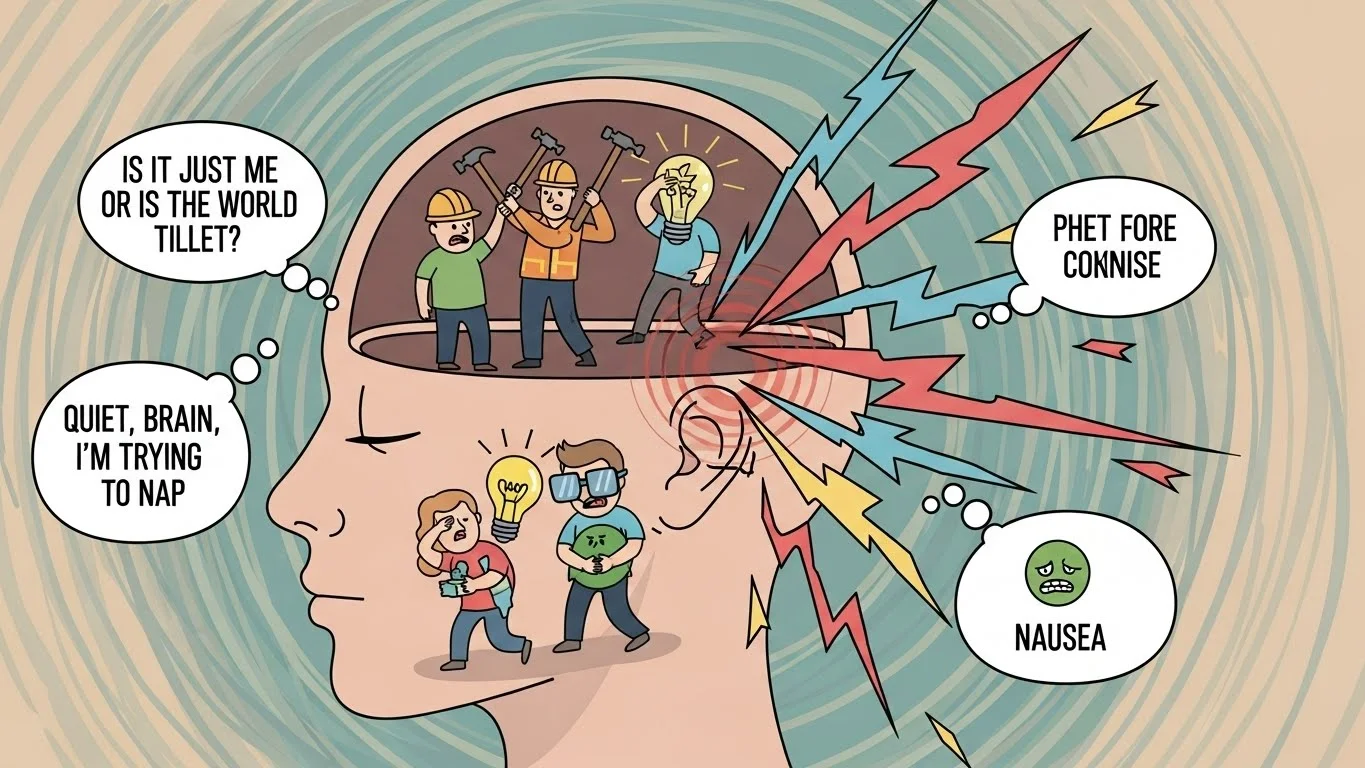
Common Symptoms of a Migraine
Migraines may include:
Throbbing head pain
Nausea or vomiting
Sensitivity to light or sound
Fatigue
Difficulty concentrating
Migraine Meaning in Daily Life
In everyday life, people often say “migraine” to describe intense pain that makes it hard to work, think, or socialize.
Migraine Meaning in Medical Contexts
Doctors use the term migraine to diagnose a specific condition based on symptoms, patterns, and medical history.
Different Types of Migraine
There are several types of migraines, including:
Migraine without aura
Migraine with aura
Chronic migraine
Each type has slightly different features.
Migraine With Aura Meaning
An aura is a set of sensory changes, such as flashing lights or tingling, that can occur before or during a migraine.
Migraine Without Aura Meaning
This is the most common type. It involves migraine pain without visual or sensory warning signs.
Migraine Meaning and Triggers
Migraines are often triggered by factors such as:
Stress
Lack of sleep
Hormonal changes
Certain foods
Bright lights
Migraine Meaning in Brain Function
Migraines involve changes in brain activity and nerve signaling, which explain why symptoms go beyond head pain.
Is Migraine a Disease or a Symptom?
Migraine is a medical condition, not just a symptom. Headache is only one part of it.
Migraine Meaning in Work and School
Migraines can affect productivity, attendance, and concentration, making them a significant daily challenge for many people.
Migraine Meaning in Mental Health Contexts
While migraines are not a mental illness, stress and emotional strain can increase how often they occur.
Common Misunderstandings About Migraine
Many people believe:
Migraines are just strong headaches
Only adults get migraines
Migraines are rare
These beliefs are incorrect.
Is Migraine a Serious Condition?
Migraines are usually not life-threatening, but they can be serious in terms of impact on quality of life.
Migraine Meaning in Modern Usage
Today, the word migraine is widely used online and in conversation, sometimes loosely, but medically it has a specific meaning.
Migraine vs Cluster Headache
Migraines last longer and involve sensory sensitivity.
Cluster headaches are shorter but extremely intense and occur in patterns.
How Migraine Is Commonly Managed
Management may include:
Lifestyle changes
Avoiding triggers
Medication
Stress management

Why Understanding Migraine Meaning Matters
Understanding the migraine meaning helps people:
Communicate symptoms accurately
Seek proper care
Reduce stigma
Support others better
How to Use Migraine in a Sentence
Examples:
She missed work due to a migraine.
Migraines can last for hours.
He experiences migraines with aura.