What Does PM2.5 Mean?
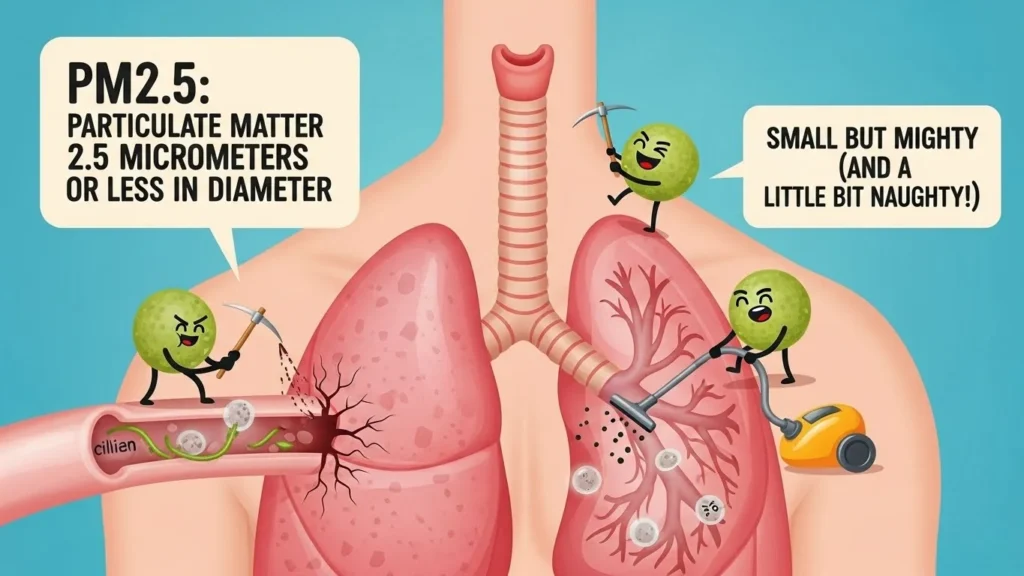
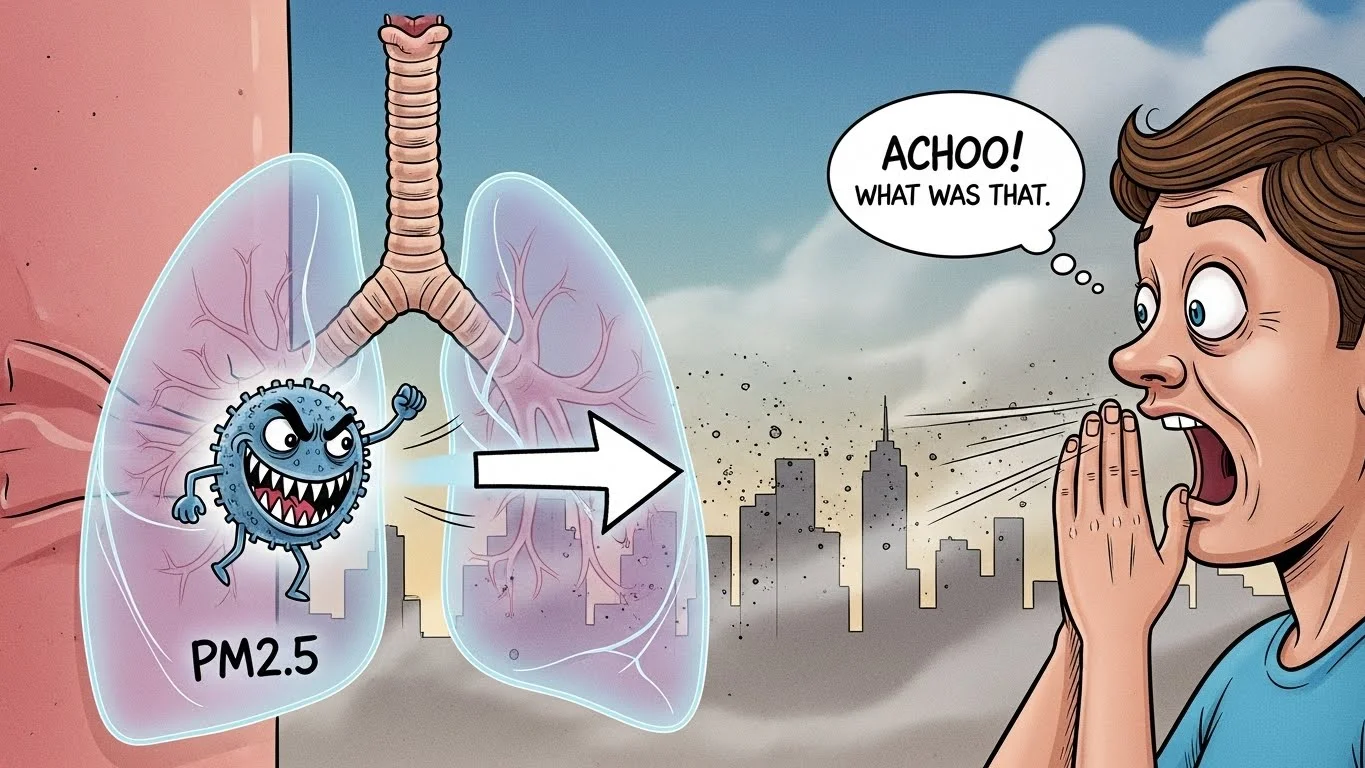
The PM2.5 meaning refers to tiny airborne particles that are 2.5 micrometers or smaller in diameter. These particles are so small they can be inhaled deep into the lungs.
The Basic Definition of PM2.5
PM stands for particulate matter, and 2.5 refers to the particle size in micrometers. PM2.5 particles are about 30 times smaller than the width of a human hair.
PM2.5 Meaning in Simple Words
In simple words, PM2.5 means very tiny air pollution particles that can enter your lungs when you breathe.
What Is Particulate Matter?
Particulate matter includes tiny solid or liquid particles floating in the air, such as dust, smoke, and soot.
Why PM2.5 Is Different From Other Air Pollutants
PM2.5 is especially dangerous because its small size allows it to bypass the body’s natural defenses like nose hair and mucus.
PM2.5 Meaning in Air Quality Reports
In air quality reports, PM2.5 levels are measured to determine how clean or polluted the air is on a given day.
PM2.5 Meaning in Weather Apps
Many weather apps display PM2.5 numbers to warn users when air pollution levels may be unhealthy.
Sources of PM2.5 Pollution
Common sources include:
Vehicle exhaust
Factory emissions
Wildfires
Burning wood or coal
Construction dust
PM2.5 Meaning in Urban Areas
Cities often have higher PM2.5 levels due to traffic, industry, and population density.
PM2.5 Meaning in Indoor Air
PM2.5 can also exist indoors, coming from cooking, smoking, candles, or poor ventilation.
Health Effects of PM2.5 Exposure
Exposure to PM2.5 may affect:
Lungs
Heart
Breathing
Immune system
PM2.5 Meaning for Children and Elderly
Children, older adults, and people with existing health conditions are more vulnerable to PM2.5 exposure.
PM2.5 Meaning in Environmental Health
Environmental scientists use PM2.5 data to study pollution trends and public health risks.
PM2.5 Meaning and Long-Term Exposure
Long-term exposure to high PM2.5 levels can increase the risk of chronic respiratory and cardiovascular issues.
PM2.5 Meaning in Public Health Warnings
Governments issue alerts when PM2.5 levels are high to encourage people to limit outdoor activity.
PM2.5 Meaning Compared to PM10
PM2.5: very fine particles, more harmful
PM10: larger particles, less likely to reach deep lungs
PM2.5 Meaning in Environmental Policies
PM2.5 levels are used to set air quality standards and pollution control regulations.
PM2.5 Meaning in Daily Life Decisions
PM2.5 data can help people decide when to:
Exercise outdoors
Wear masks
Use air purifiers
Common Misunderstandings About PM2.5
Some people think PM2.5 is a gas. It is not—it is made of tiny solid or liquid particles.
Is PM2.5 Visible?
PM2.5 particles are usually invisible to the naked eye, even when pollution looks heavy.
PM2.5 Meaning in Modern Usage
Today, PM2.5 is a key term in discussions about climate change, air quality, and health awareness.
How to Use PM2.5 in a Sentence
Examples:
PM2.5 levels were high today.
The app tracks PM2.5 pollution.
High PM2.5 can affect breathing.
Why Understanding PM2.5 Meaning Matters
Understanding the PM2.5 meaning helps you:
Protect your health
Read air quality data correctly
Make safer outdoor choices
Understand environmental reports