
My Apologies Meaning in Simple Terms
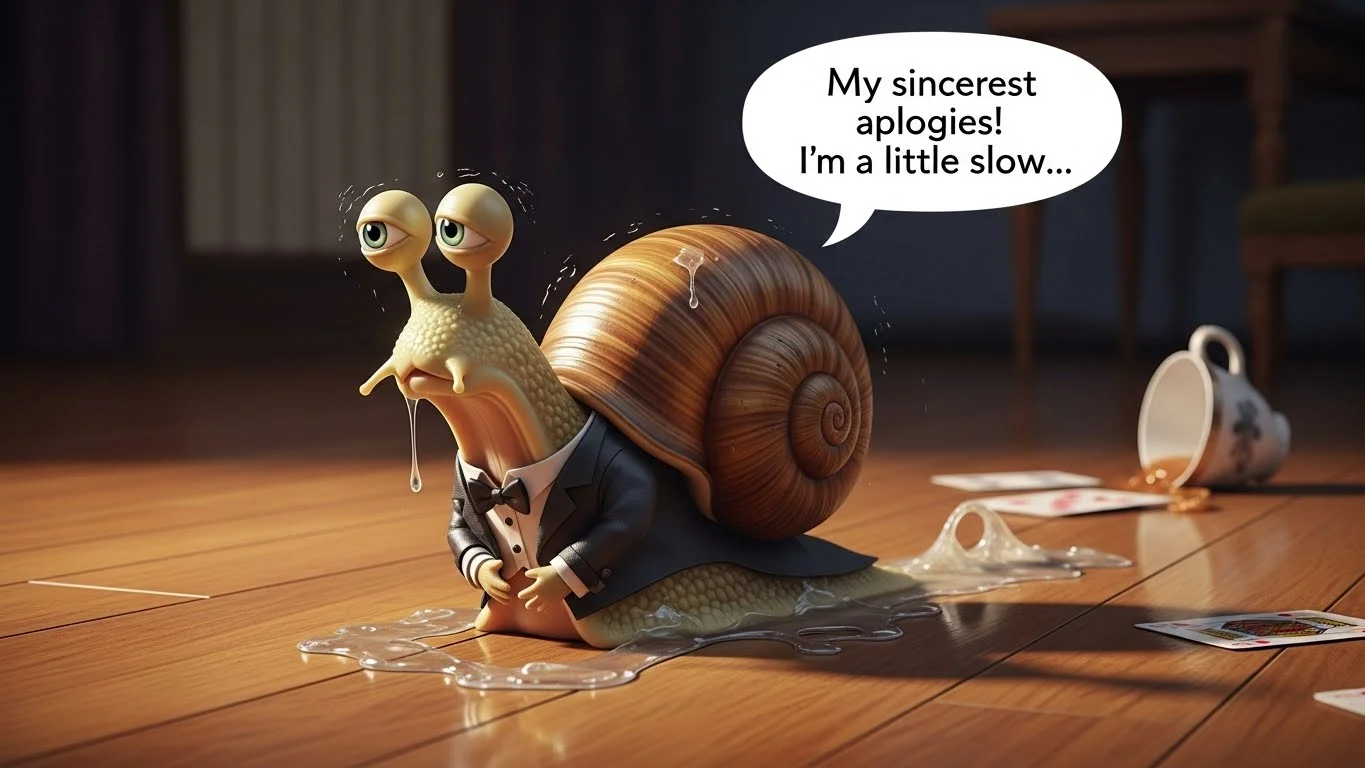
In simple terms, “my apologies” means “I am sorry.”
It is a polite and respectful way to express regret for a mistake, inconvenience, or misunderstanding.
Basic Definition of My Apologies
“My apologies” is a formal or semi-formal apology.
It shows acknowledgment of an issue and respect for the other person.
My Apologies Meaning vs Sorry
Both phrases express regret, but their tone is different.
“My apologies” sounds more formal, while “sorry” is more casual and emotional.
Why People Say My Apologies
People use “my apologies” to sound polite, professional, or respectful.
It is often chosen when speaking to strangers, colleagues, or customers.
My Apologies Meaning in Daily Conversation
In everyday speech, “my apologies” may be used when correcting a small mistake.
For example, someone might say it after interrupting or misunderstanding something.
My Apologies Meaning in Professional Settings
In workplaces, “my apologies” is common in emails, meetings, and customer communication.
It helps maintain professionalism and courtesy.
My Apologies Meaning in Emails
“My apologies” is frequently used in written communication.
It sounds thoughtful without being overly emotional or casual.
My Apologies Meaning in Customer Service
Customer service teams use “my apologies” to acknowledge inconvenience.
It shows respect without assigning blame.
My Apologies Meaning and Tone
The tone of “my apologies” is calm, respectful, and neutral.
It avoids sounding defensive or overly emotional.
My Apologies Meaning in Formal Situations
In formal settings, “my apologies” is preferred over “sorry.”
It aligns better with professional and polite language standards.
My Apologies Meaning in British vs American English
Both British and American English use “my apologies.”
British English may use it slightly more often in everyday polite speech.
Is My Apologies Sincere?
Yes, it can be sincere if used honestly.
Sincerity depends more on context and tone than the phrase itself.

When My Apologies Might Sound Distant
Some people feel “my apologies” sounds less emotional.
In personal situations, it may feel formal or detached.
My Apologies Meaning in Modern Usage
Today, “my apologies” is widely accepted in both spoken and written English.
It remains a safe, polite choice in most situations.
Common Situations to Use My Apologies
It is commonly used for delays, misunderstandings, interruptions, or small mistakes.
It works well when you want to sound courteous.
When Not to Use My Apologies
In emotional or personal situations, “sorry” may feel more genuine.
“My apologies” may sound too formal among close friends or family.
Common Misunderstandings About My Apologies
Some believe “my apologies” is sarcastic or insincere.
In reality, it is neutral and respectful when used correctly.
My Apologies Meaning vs Excuse Me
“My apologies” admits fault.
“Excuse me” often asks permission or draws attention rather than apologizing.
Is My Apologies Grammatically Correct?
Yes, “my apologies” is grammatically correct and widely accepted.
It is a shortened form of expressing regret.

Why Context Matters for My Apologies Meaning
The meaning depends on tone, setting, and relationship.
Formal settings make it appropriate, while casual settings may not.
Why People Search for My Apologies Meaning
People search for my apologies meaning to understand tone and proper usage.
They want to avoid sounding rude, cold, or overly formal.