

What Does Gumshoe Mean?
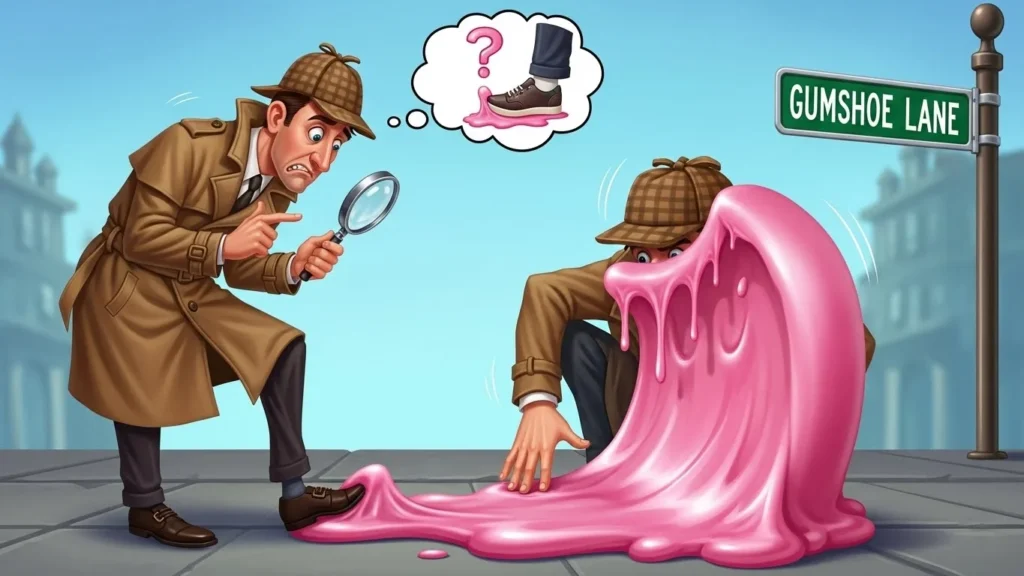
Gumshoe means a detective or investigator, especially one who works quietly and persistently.
It often refers to someone who solves cases through observation, questioning, and legwork.
Gumshoe Meaning in Simple Terms
In simple terms, a gumshoe is a detective.
It’s a more informal and colorful way to describe someone who investigates crimes or mysteries.
The Origin of the Word Gumshoe
Gumshoe comes from:
Gum referring to rubber
Shoe meaning footwear
Early detectives wore rubber-soled shoes to walk quietly, which led to the nickname.
Gumshoe Meaning in Early History
The term became popular in the late 1800s and early 1900s.
It was commonly used to describe private investigators who followed suspects without being heard.
Gumshoe Meaning in Crime Fiction
In crime novels, gumshoe often refers to:
A private detective
A hard-working investigator
A street-smart problem solver
It’s a classic storytelling term.
Gumshoe Meaning in Movies and TV
In films and TV shows, a gumshoe is often portrayed as:
Clever
Persistent
Independent
The term adds a noir or old-school feel.
Gumshoe Meaning in Everyday Language
In everyday speech, gumshoe may be used humorously or informally to describe:
Someone who investigates problems
A curious person digging for answers
It’s rarely used in formal writing.
Gumshoe Meaning in Journalism
In journalism, gumshoe can describe reporters who:
Dig deep into stories
Investigate corruption
Follow leads persistently
It highlights dedication and effort.
Gumshoe vs Detective: What’s the Difference?
Both mean investigator, but:
Detective is formal and official
Gumshoe is informal and stylistic
Gumshoe often implies hands-on work.
Gumshoe vs Private Investigator
A gumshoe is often:
A private investigator
Working independently
Not always tied to law enforcement
However, the terms can overlap.
Is Gumshoe a Slang Word?
Yes, gumshoe is considered informal slang.
It’s accepted in literature and conversation but not in legal or official documents.
Is Gumshoe Offensive?
No, gumshoe is generally not offensive.
It’s often used with respect or affection, especially in storytelling.
Gumshoe Meaning in Humor and Pop Culture
The word is sometimes used humorously to:
Tease someone who asks many questions
Describe amateur investigations
Tone depends on context.
Why Gumshoe Sounds Old-Fashioned
Gumshoe feels old-fashioned because:
It peaked in early detective fiction
It’s associated with noir stories
Still, it remains recognizable.
Gumshoe Meaning in Modern Usage
In 2025, gumshoe is mostly used:
In fiction
In media commentary
Playfully in conversation
It’s less common in serious writing.
Common Misunderstandings About Gumshoe
Some people think gumshoe:
Refers to shoes only
Is an insult
Means a spy
These interpretations are incorrect.
Gumshoe Meaning in Literature
Authors use gumshoe to:
Set a detective tone
Create atmosphere
Suggest experience and grit
It adds character depth.
How to Use Gumshoe Correctly
Use gumshoe when:
Writing creatively
Speaking casually
Describing investigative behavior
Avoid it in formal reports.

Gumshoe Meaning Compared to Modern Terms
Modern alternatives include:
Investigator
Detective
Researcher
Gumshoe adds personality rather than precision.
Gumshoe Meaning in Plain English Summary
In plain English, gumshoe means a detective or investigator, especially one who quietly and persistently looks for answers.