What Does ITSM Mean in Simple Terms
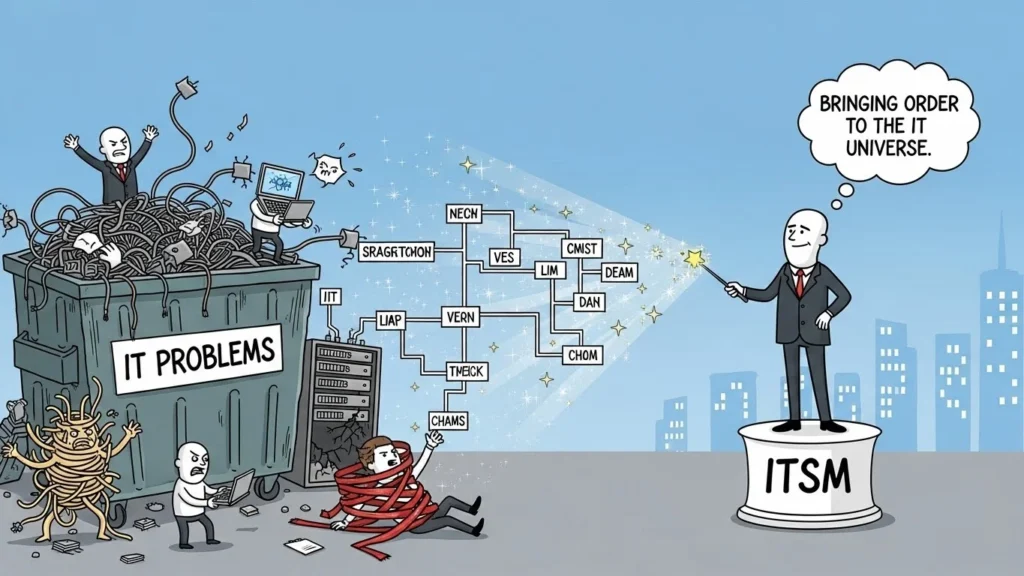
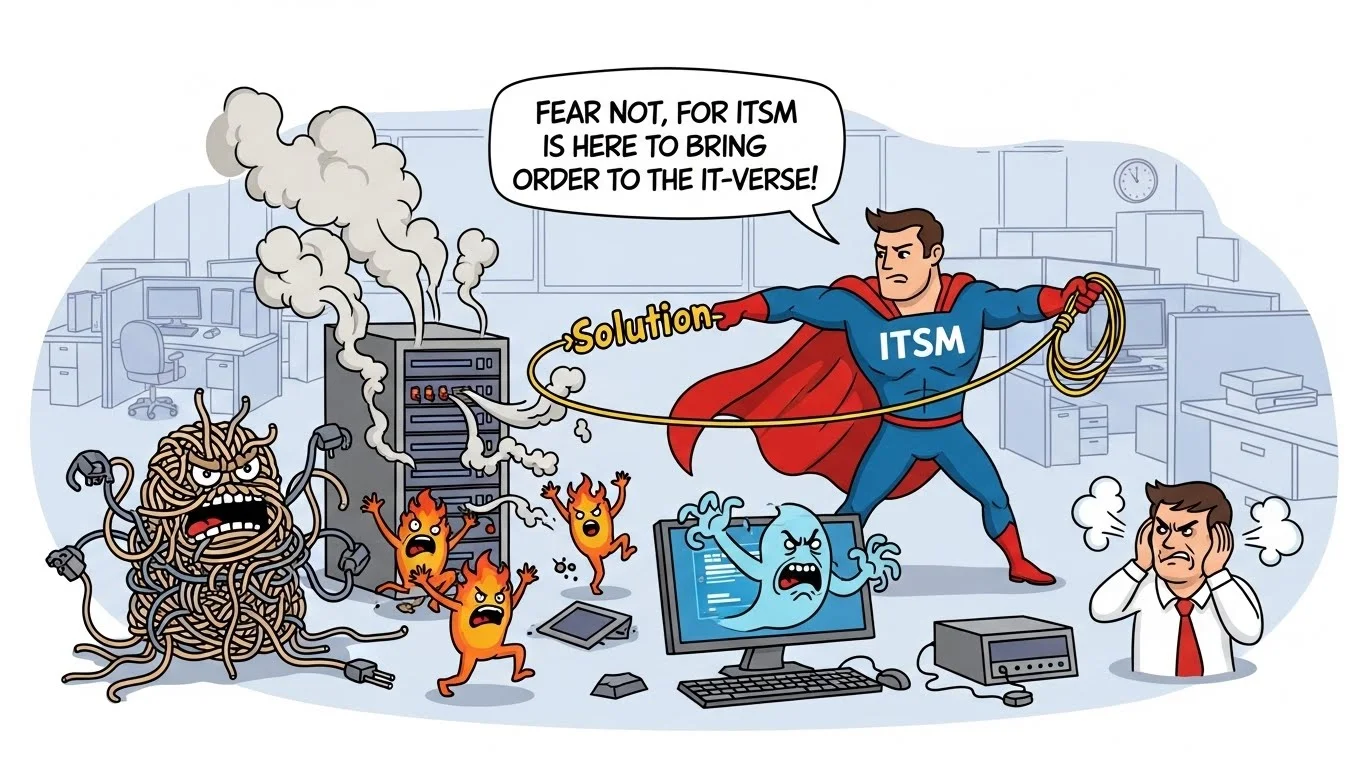
ITSM means managing IT services in a structured way so technology supports business needs effectively and reliably.
The Basic Definition of ITSM
ITSM stands for Information Technology Service Management. It refers to the processes and practices used to design, deliver, manage, and improve IT services.
Why ITSM Is Important
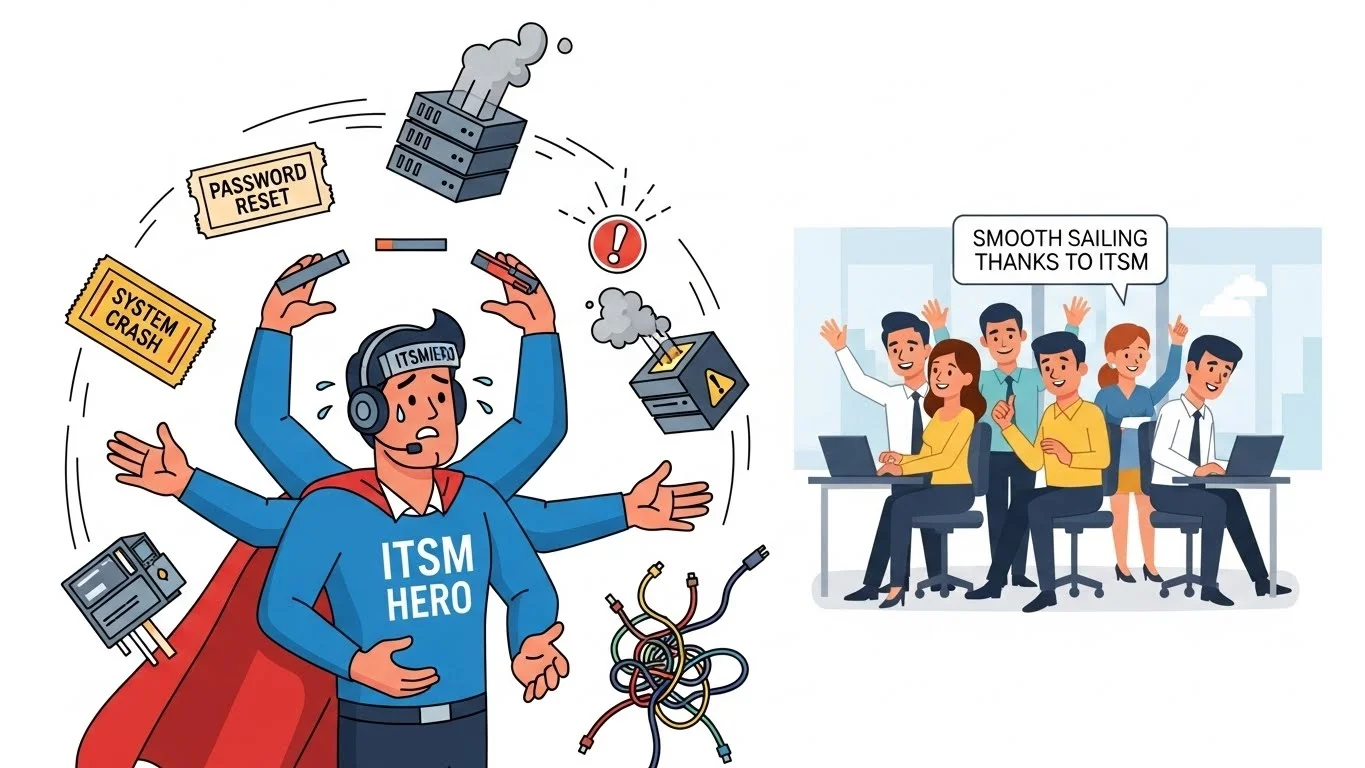
ITSM helps organizations ensure their technology works smoothly, reduces downtime, and supports users efficiently.
ITSM in Everyday Business Life
In daily operations, ITSM helps employees get quick support when systems fail, passwords are forgotten, or software issues occur.
ITSM vs Traditional IT Support
Traditional IT support focuses on fixing problems. ITSM focuses on managing services proactively to prevent problems.
ITSM and Customer Experience
ITSM improves user experience by providing consistent, reliable, and timely IT services.
Common ITSM Processes Explained
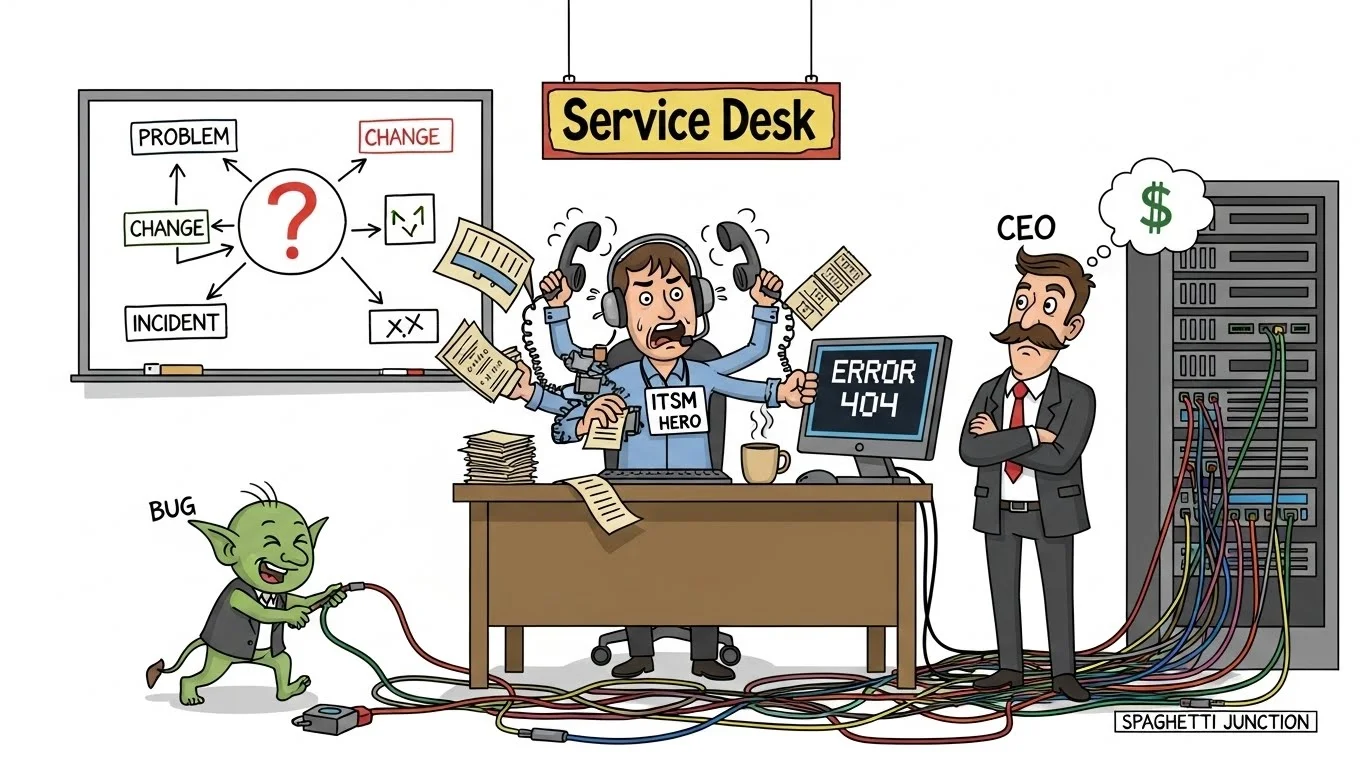
ITSM includes processes such as incident management, problem management, and change management.
Incident Management in ITSM
Incident management focuses on restoring services quickly when something goes wrong.
Problem Management in ITSM
Problem management looks for root causes to prevent recurring issues.
Change Management in ITSM
Change management ensures updates or changes to IT systems happen safely and with minimal disruption.
ITSM and Service Desk Meaning
A service desk is a central point where users request help, report issues, or access IT services.
ITSM Frameworks Explained Simply
Frameworks like ITIL provide guidelines and best practices for implementing ITSM.
ITSM in Small vs Large Organizations
Small businesses use simpler ITSM tools, while large organizations use complex systems and processes.
ITSM in Cloud and Modern IT
Modern ITSM supports cloud services, remote work, and digital transformation.
ITSM Tools and Software
ITSM tools help track tickets, automate workflows, and improve service delivery.
ITSM vs IT Operations Management
ITSM focuses on services and users, while IT operations focus on infrastructure and systems.
Common Misunderstandings of ITSM
Some think ITSM is only for big companies, but businesses of all sizes benefit from it.
Who Uses ITSM
IT professionals, service desk teams, managers, and organizations that rely on IT services use ITSM.
ITSM in Non-IT Industries
Industries like healthcare, education, and finance use ITSM to manage digital services.
Career Value of Understanding ITSM
Knowledge of ITSM improves job prospects in IT support, management, and service roles.
Future of ITSM
ITSM continues to evolve with automation, AI, and digital service management.