
What Does Paranoia Mean in Simple Terms
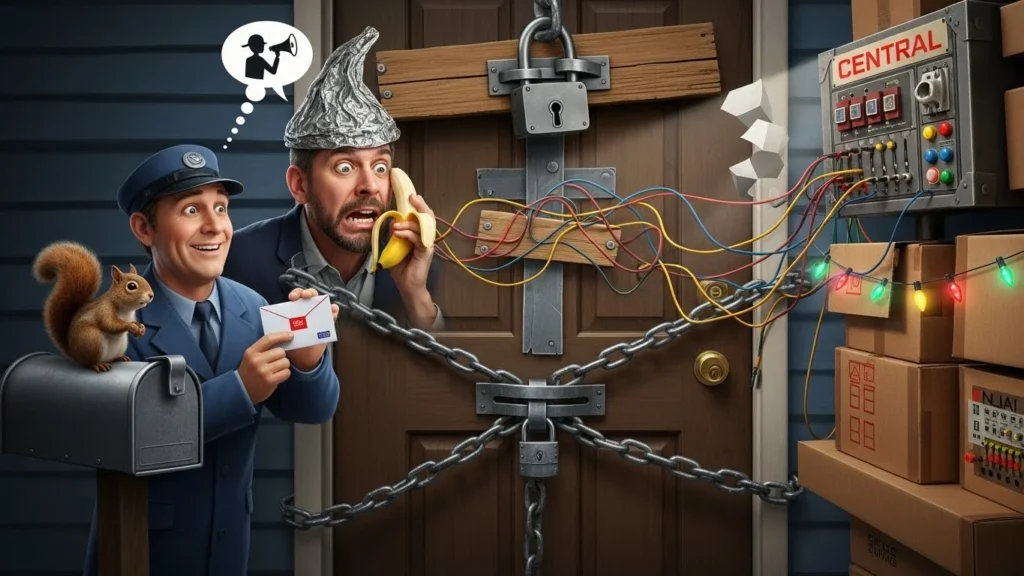
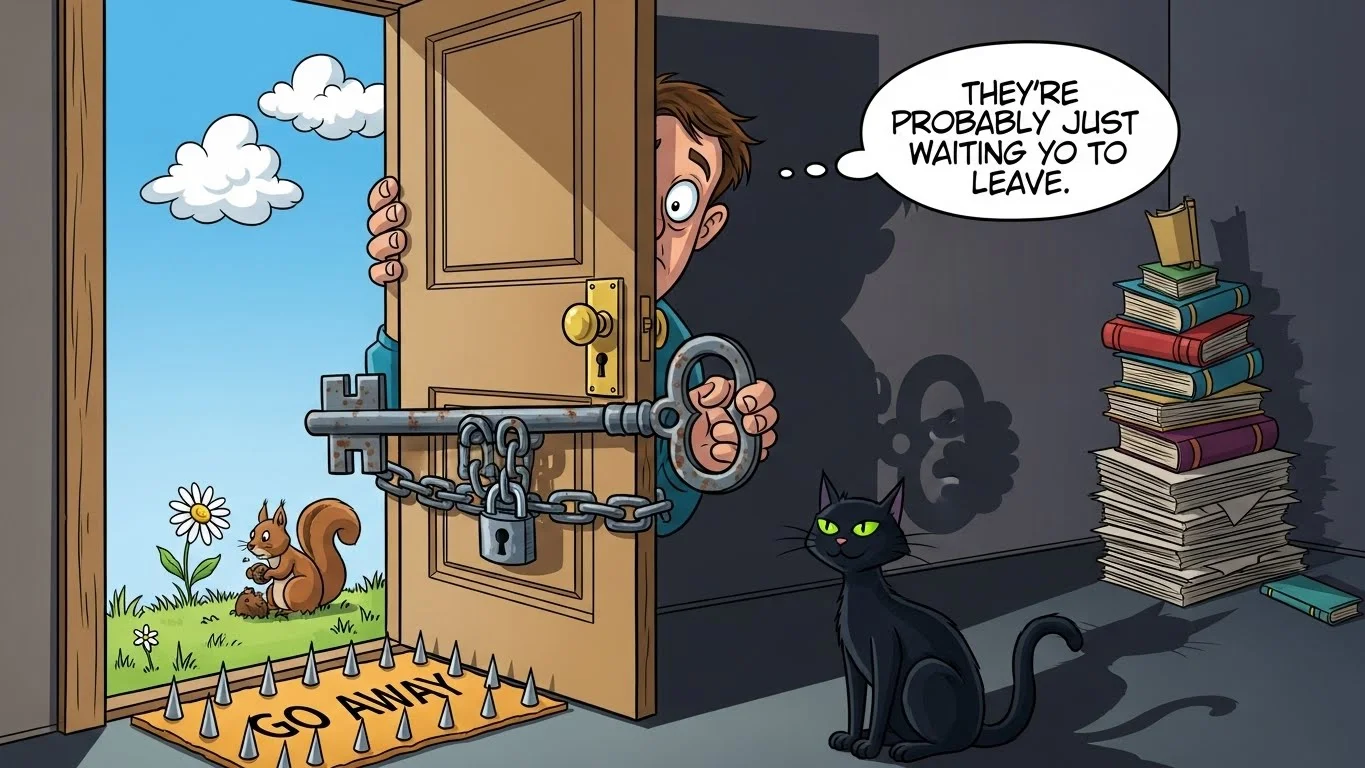
Paranoia means having strong, irrational fears or suspicions that others want to harm, deceive, or target you, even without clear evidence.
The Basic Definition of Paranoia
Paranoia is a noun that refers to persistent feelings of mistrust, fear, or suspicion toward others.
Paranoia in Everyday Language
In everyday conversation, people often use paranoia to describe overthinking or unnecessary worry, even when it is not serious.
Psychological Meaning of Paranoia
In psychology, paranoia involves unrealistic beliefs of persecution, threat, or conspiracy directed at oneself.
Mild vs Severe Paranoia
Mild paranoia may involve occasional suspicion, while severe paranoia can strongly affect thoughts, behavior, and relationships.
Paranoia vs Normal Fear
Normal fear is based on real danger. Paranoia involves fear without sufficient evidence.
Paranoia vs Anxiety
Anxiety causes general worry, while paranoia focuses on suspicion that others are intentionally harmful.
Paranoia vs Suspicion
Suspicion can be reasonable. Paranoia continues even when there is no proof.
Common Examples of Paranoia
Believing others are secretly spying
Thinking people are plotting against you
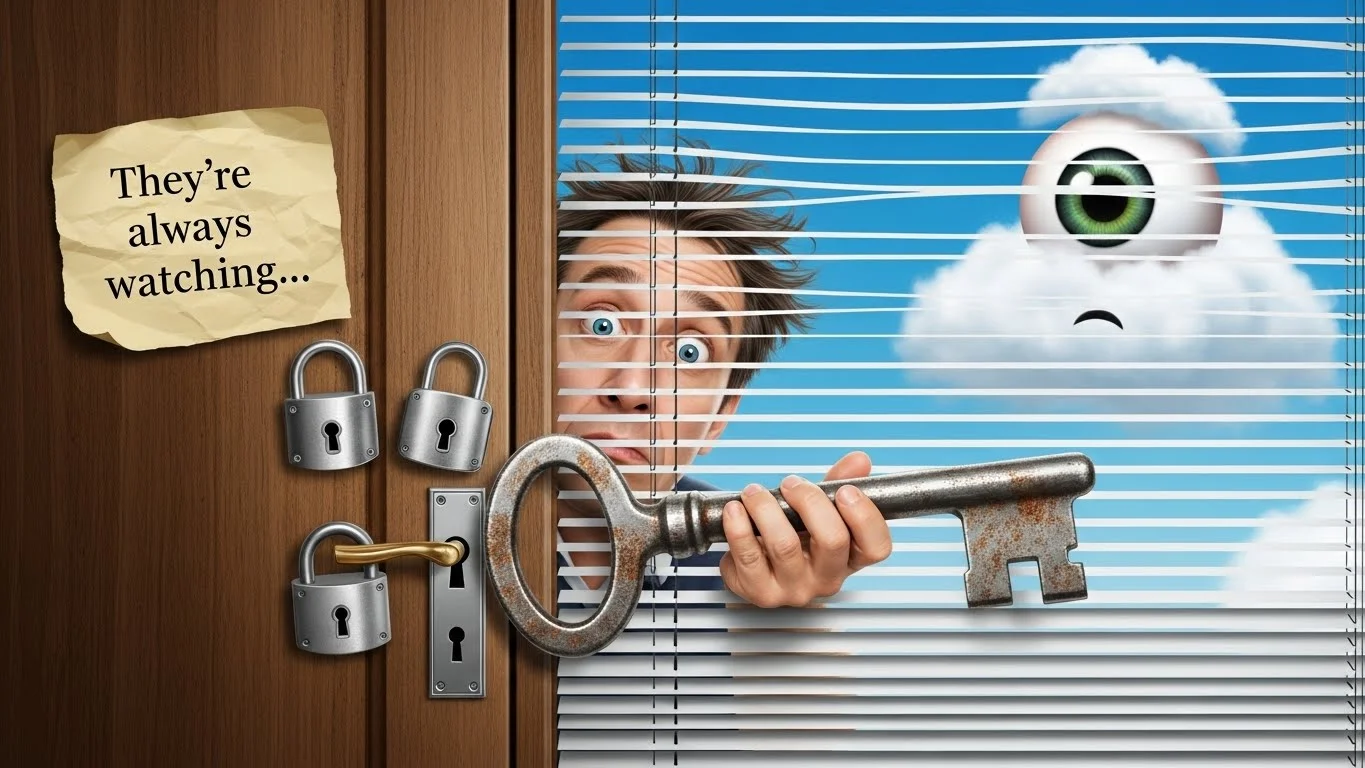
Assuming harmless comments are threats
Paranoia in Social Situations
Paranoia can make social interactions stressful, leading to isolation or mistrust.
Paranoia in the Workplace
In workplaces, paranoia may involve fear of sabotage, hidden agendas, or unfair targeting.
Paranoia in Relationships
Paranoia can cause jealousy, mistrust, and emotional distance between partners or friends.
Paranoia in Media and Movies
Movies often exaggerate paranoia to create suspense, conspiracy, or drama.
Common Misuse of the Word Paranoia
People often use paranoia to describe simple nervousness, which is not the same.
Can Paranoia Be Temporary
Yes. Stress, lack of sleep, or trauma can cause temporary paranoid thoughts.
Causes of Paranoia
Paranoia can be influenced by stress, mental health conditions, substance use, or past experiences.
Effects of Paranoia on Daily Life
Paranoia can affect decision-making, relationships, and emotional well-being.
How Paranoia Is Treated
Treatment may include therapy, support, and sometimes medication, depending on severity.
Paranoia in Modern Society
Social media and misinformation can increase feelings of paranoia in some people.
When to Take Paranoia Seriously
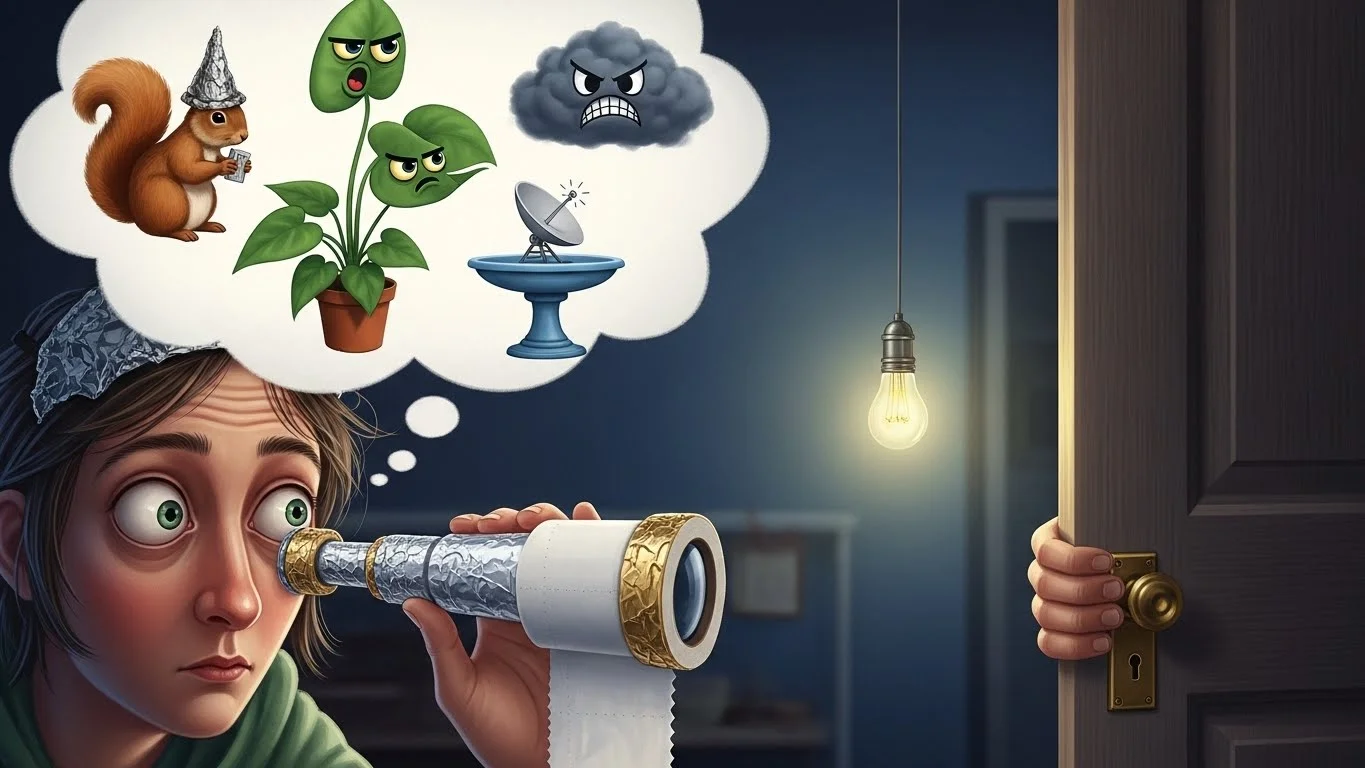
If paranoid thoughts are constant, distressing, or harmful, professional help is important.
Importance of Context for Paranoia Meaning
Context helps determine whether paranoia is casual speech or a serious psychological condition.