


What Does Honorifics Mean in Simple Terms
Honorifics are words or titles used to show respect, politeness, or social status when addressing or referring to someone.
The Basic Definition of Honorifics
Honorifics are titles or forms of address placed before or after a name to show respect, rank, or courtesy.
Why Honorifics Are Used
Honorifics help express respect, professionalism, and social awareness in communication.
Common Examples of Honorifics
Examples include Mr., Mrs., Ms., Dr., Sir, Madam, and Professor.
Honorifics in Everyday Life
In daily life, honorifics are used when speaking to elders, teachers, doctors, or people in authority.
Honorifics in Professional and Workplace Settings
In workplaces, honorifics help maintain professionalism, especially in formal emails and meetings.
Honorifics in Academic Contexts
Academic honorifics like Professor or Doctor recognize educational achievement and expertise.
Honorifics in Medical and Legal Fields
Doctors, judges, and lawyers are often addressed using honorifics to reflect their roles.
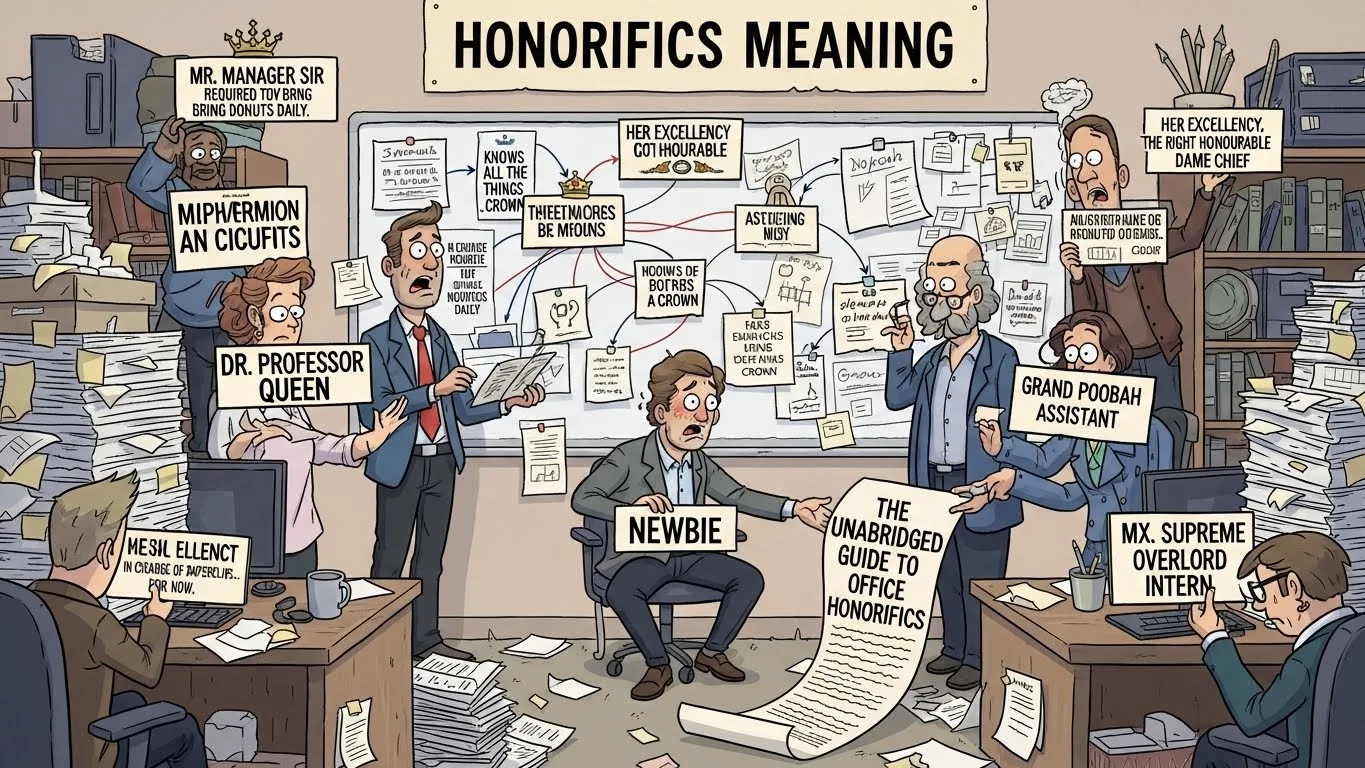
Honorifics in Cultural Traditions
Many cultures place strong importance on honorifics as a sign of respect and social harmony.
Honorifics in Asian Languages and Cultures
In some Asian cultures, honorifics are essential and change based on age, status, or relationship.
Honorifics in Western Cultures
Western cultures use honorifics mainly in formal or professional situations.
Honorifics Before and After Names
Some honorifics appear before names, while others come after, depending on language and tradition.
Gender and Honorifics
Some honorifics reflect gender, while others are gender-neutral or professional.
Modern Changes in Honorific Usage
Modern communication is becoming more flexible, with fewer honorifics used in casual settings.
Honorifics in Written Communication
Honorifics are common in letters, invitations, official documents, and formal emails.
Honorifics in Digital and Online Communication
Emails and professional messages often still use honorifics, even in digital spaces.
When to Use Honorifics
Use honorifics when meeting someone formally, writing official messages, or showing respect.
When Not to Use Honorifics
In casual conversations among friends, honorifics are usually unnecessary.
Common Misunderstandings of Honorifics
Some think honorifics are outdated, but they are still widely used and important.
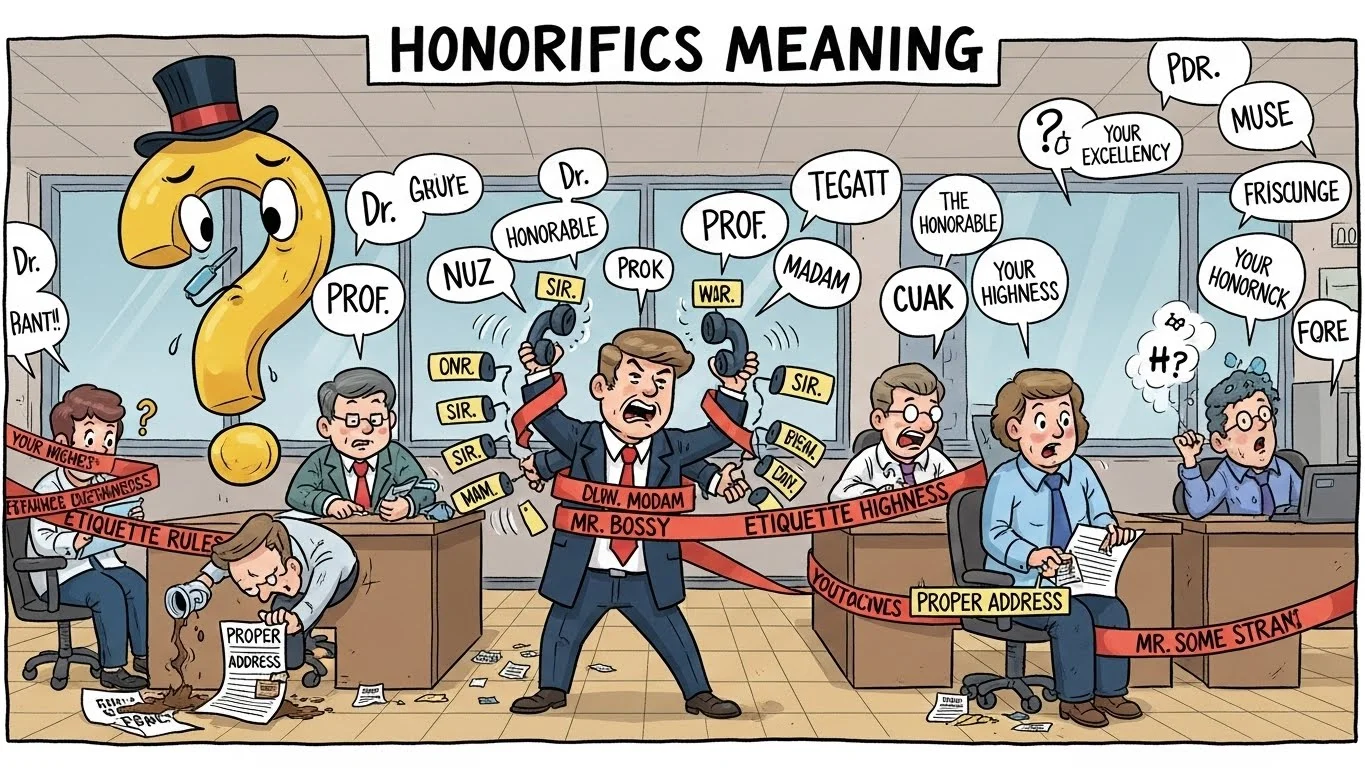
Importance of Context for Honorifics Meaning
Context determines whether honorifics sound polite, formal, or overly stiff.
Why Honorifics Still Matter Today
Honorifics help avoid offense and show cultural and social awareness.