
What Does Proclivity Mean in Simple Terms
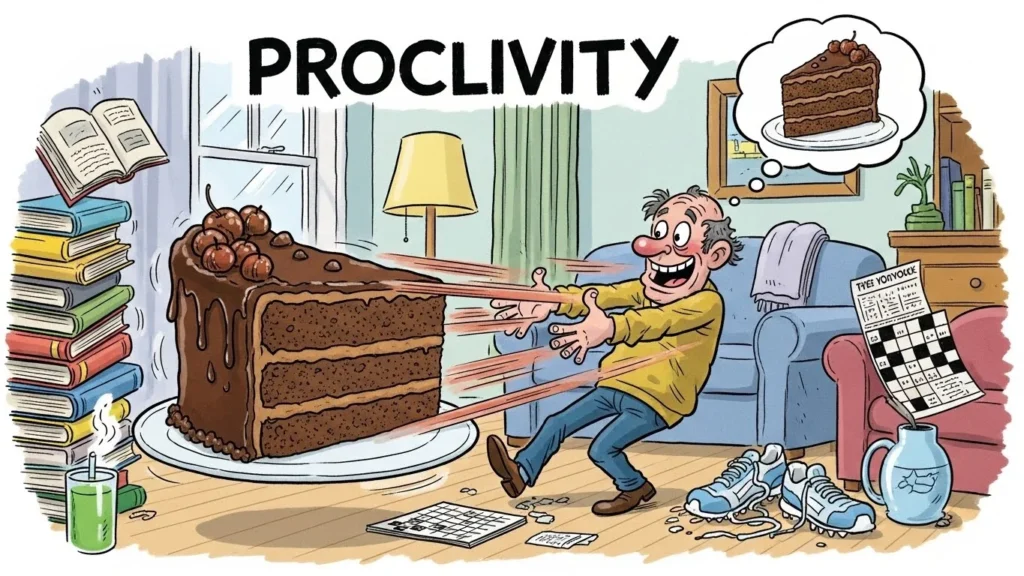
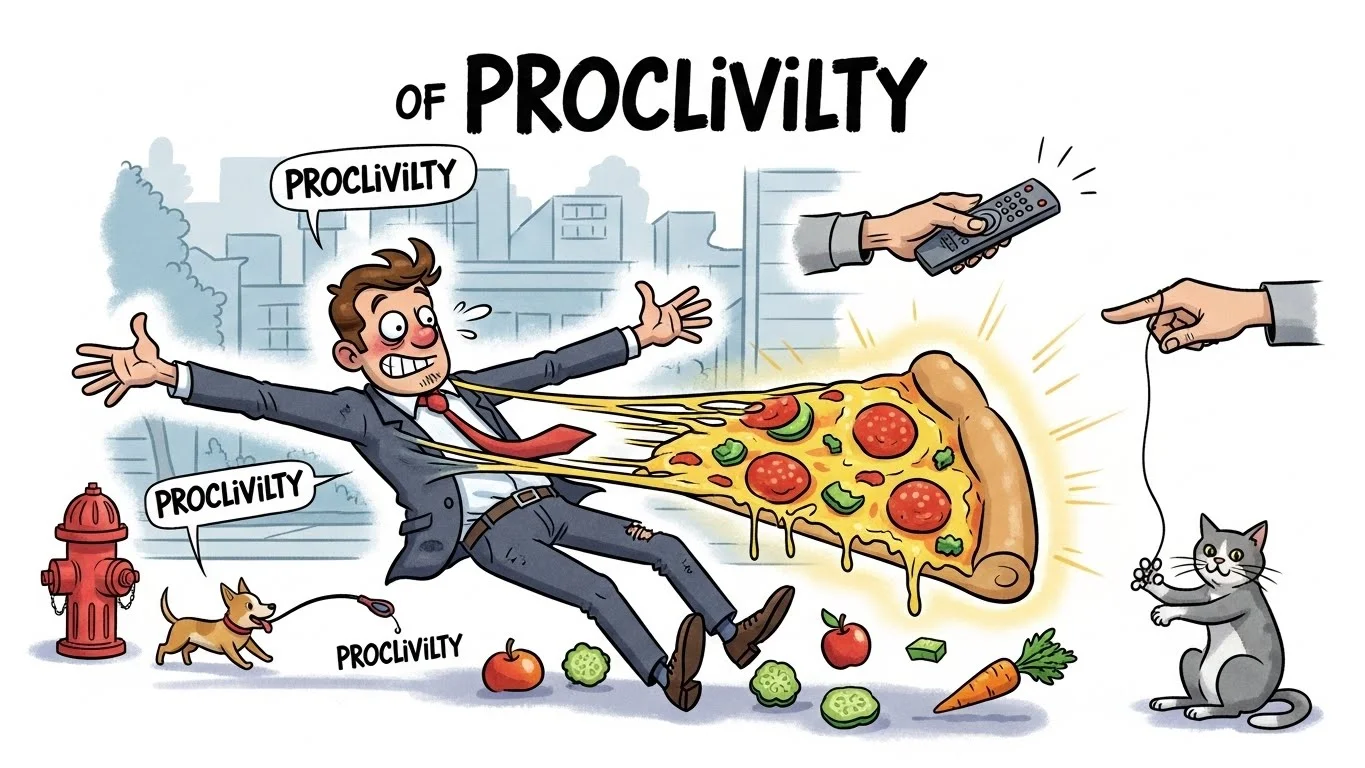
Proclivity means a natural tendency or strong liking for something.
The Basic Definition of Proclivity
Proclivity refers to an inborn or long-standing inclination toward a particular behavior, habit, or interest.
Proclivity as a Personality Trait
A proclivity often reflects part of someone’s personality or character.
Proclivity in Everyday Language
In daily life, proclivity describes what someone naturally leans toward doing.
Proclivity vs Habit
A habit is learned through repetition, while a proclivity is more natural or instinctive.
Proclivity vs Preference
Preference is a conscious choice, while proclivity is often unconscious or natural.
Proclivity vs Tendency
Tendency is broader and neutral, while proclivity suggests a stronger pull.
Proclivity in Positive Contexts
Proclivity can describe positive traits like creativity, leadership, or kindness.
Proclivity in Negative Contexts
It can also describe negative tendencies, such as risk-taking or impatience.
Proclivity in Psychology
In psychology, proclivity refers to natural inclinations shaped by personality and experience.

Proclivity in Academic Writing
The word is commonly used in formal and academic writing.
Proclivity in Professional Settings
Professionals may use proclivity to describe behavioral patterns or strengths.
Proclivity in Literature and Media
Writers use proclivity to describe character traits or motivations.
How Proclivity Develops
Proclivities can be influenced by genetics, upbringing, and life experiences.
Is Proclivity Always Natural
While often natural, proclivity can be strengthened over time.
Emotional Meaning of Proclivity
Emotionally, proclivity suggests comfort or ease with certain behaviors.
Common Misunderstandings of Proclivity
Some think it always means something negative, but it does not.
How to Use Proclivity in a Sentence
She has a proclivity for learning new languages
He showed a proclivity toward leadership
Formal Tone of the Word Proclivity
Proclivity sounds more formal than words like liking or habit.

Importance of Context for Proclivity Meaning
Context shows whether the proclivity is positive, neutral, or negative.
Modern Usage of Proclivity
Today, proclivity is mostly used in professional, academic, and written contexts.