What Does Demonic Mean?
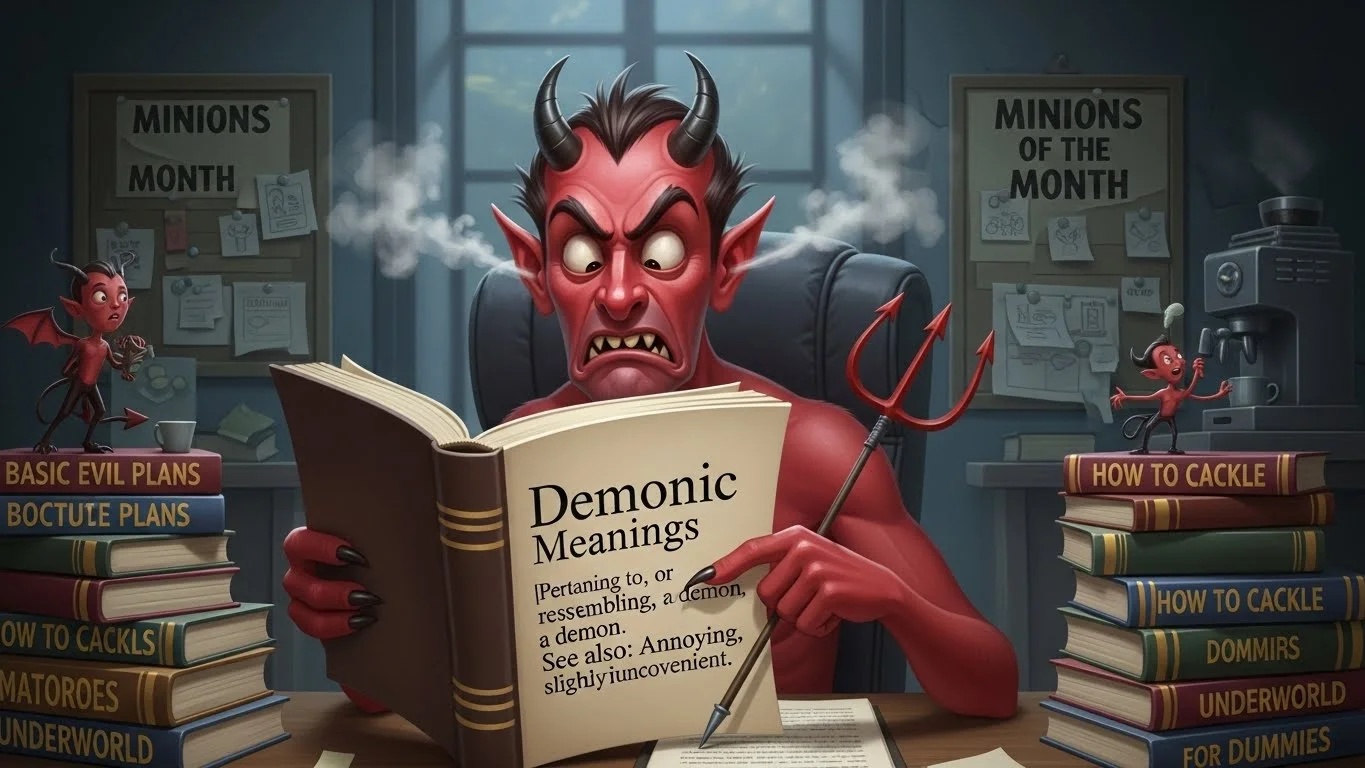
Demonic means relating to demons or evil supernatural forces, or describing behavior that seems cruel, unnatural, or extremely wicked. The meaning can be literal or figurative depending on context.
Simple Definition of Demonic
In simple terms, demonic means evil, dark, or linked to demons.
Demonic Meaning in Religion
In religion, demonic refers to demons or evil spirits believed to oppose goodness or divine power. Many religions describe demons as harmful spiritual beings.
Demonic Meaning in Christianity
In Christianity, demonic usually describes forces associated with Satan or evil spirits. Demonic influence is often linked to temptation, possession, or spiritual corruption.
Demonic Meaning in Other Religions
Other belief systems also have concepts similar to demons. While names and roles differ, demonic generally refers to malevolent spiritual entities across cultures.
Demonic Meaning in Mythology
In mythology, demonic beings appear as monsters, tricksters, or dark forces. These stories use demonic figures to explain fear, chaos, or moral struggle.
Demonic Meaning in Literature
In books and poetry, demonic is often symbolic. A character may be described as demonic to show inner darkness, cruelty, or lack of humanity, not literal possession.
Demonic Meaning in Movies and TV
In movies and television, demonic usually refers to supernatural horror elements, such as possession, curses, or evil creatures. It is often exaggerated for entertainment.
Demonic Meaning in Daily Language
In everyday speech, demonic is sometimes used casually. For example, someone may say “demonic energy” to describe intense anger or wild behavior, without religious intent.
Demonic vs Evil
Demonic is a specific type of evil, usually linked to supernatural forces. Evil can be human or moral, while demonic often implies something beyond normal human wrongdoing.
Demonic vs Devilish
Devilish usually describes mischievous or playful wrongdoing, while demonic suggests serious darkness or cruelty. The tone of demonic is much stronger.
Demonic Behavior Explained
When behavior is called demonic, it usually means extremely violent, cruel, or inhumane. This is a figurative use, not a literal claim of possession.
Demonic Meaning in Psychology
Psychology does not use demonic in a scientific sense. However, extreme behaviors were historically labeled demonic before mental health was better understood.
Demonic Meaning in Modern Culture
In modern culture, demonic is often used metaphorically in music, fashion, or slang to represent rebellion, intensity, or darkness, rather than actual belief.
Is Demonic Always Literal?
No, demonic is often symbolic or exaggerated. Most modern uses describe emotional intensity or moral judgment, not supernatural reality.
Common Examples of Demonic Usage
Demonic possession in horror stories
Demonic laughter to describe cruelty
Demonic imagery in art or music
These examples show both literal and figurative uses.
Common Misunderstandings About Demonic
Many people assume demonic always means religious belief. In fact, it is often used metaphorically to express shock, fear, or moral disapproval.
How to Use Demonic Correctly
Use demonic carefully, as it carries strong meaning. It fits best when describing extreme darkness, supernatural themes, or symbolic evil, not everyday mistakes.
Synonyms Related to Demonic Meaning
Words related to demonic include evil, sinister, malevolent, wicked, and monstrous. Each has a slightly different intensity and tone.
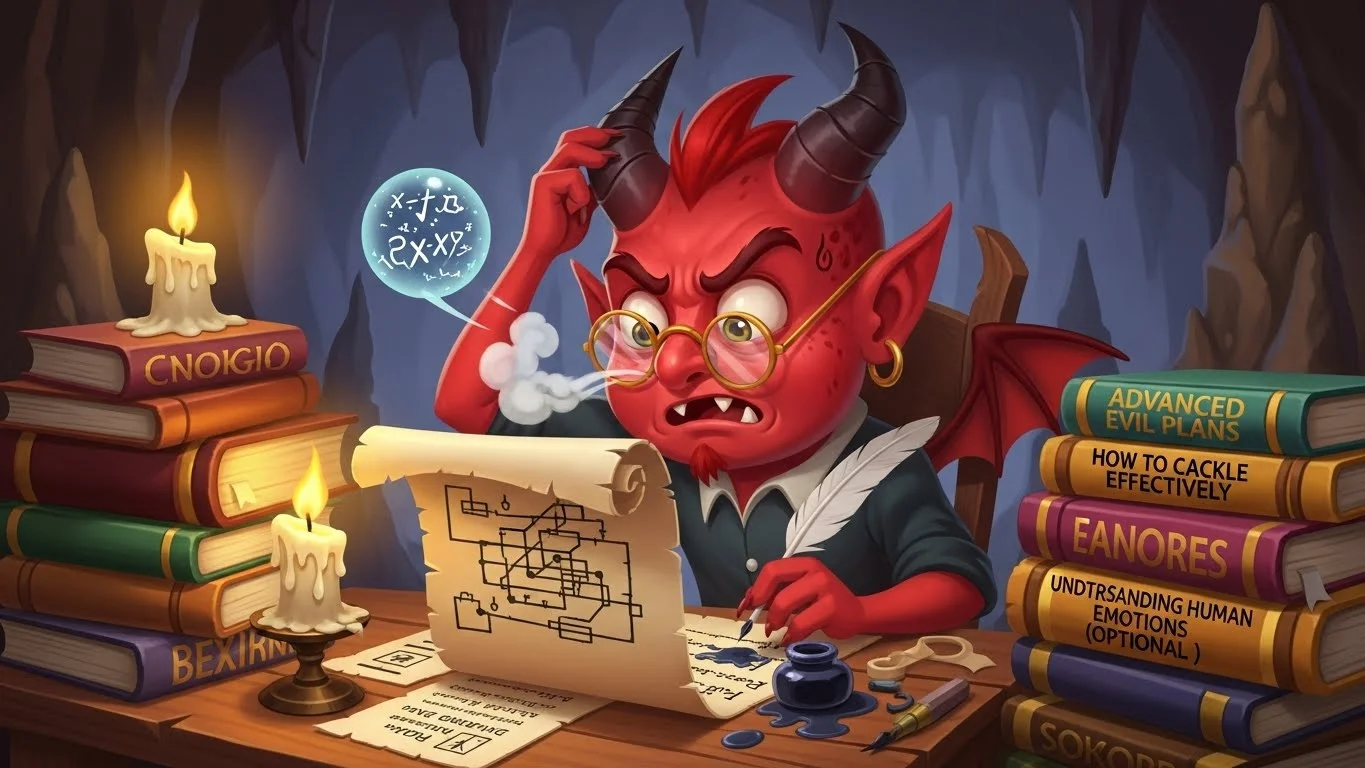
Why the Word Demonic Feels Powerful
Demonic feels powerful because it connects to deep human fears, moral boundaries, and cultural stories about good versus evil.
Demonic Meaning for Learners and Readers
Understanding the demonic meaning helps readers interpret religious texts, literature, media, and emotional language more accurately.