

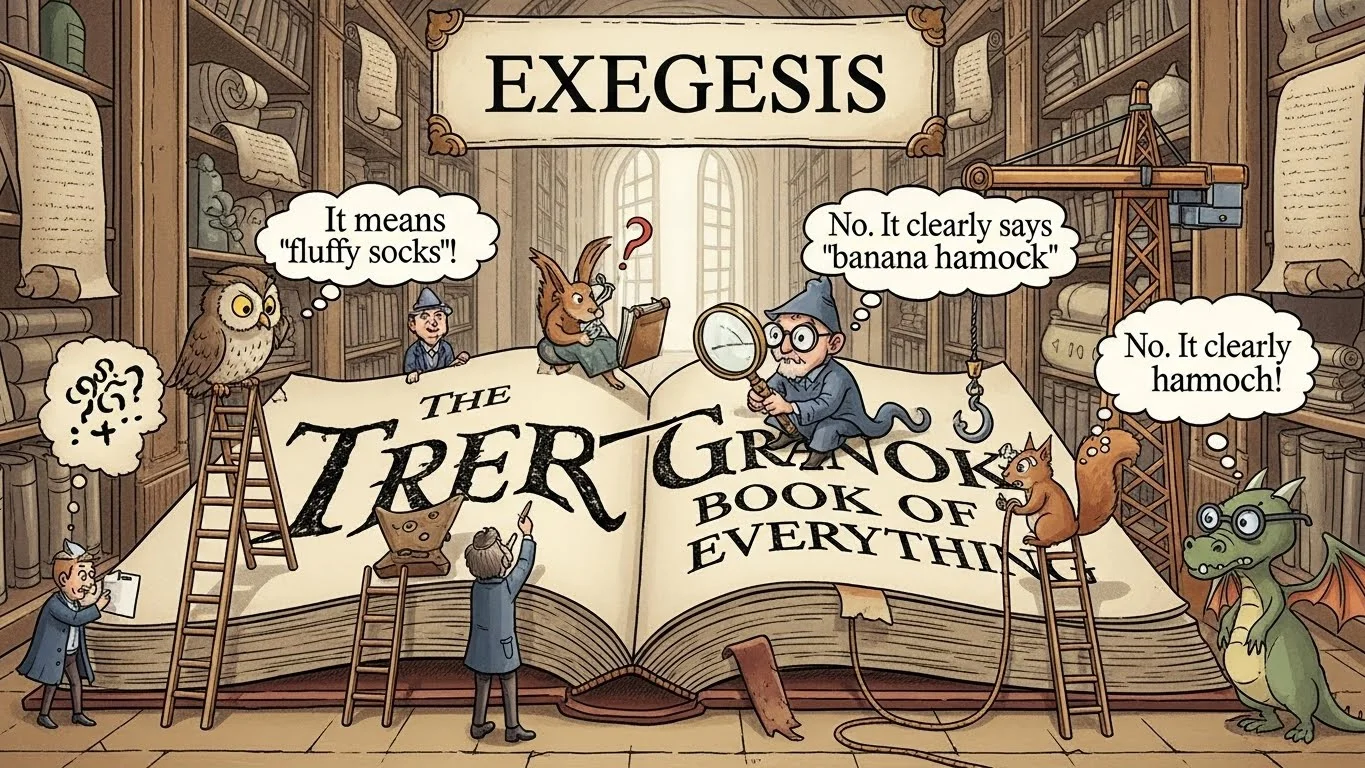
What Does Exegesis Mean?
Exegesis means a careful explanation or interpretation of a text, especially a religious or important written work.
Simple Explanation of Exegesis Meaning
In simple words, exegesis means explaining what a text truly means by studying it closely.
Origin of the Word Exegesis
The word comes from Greek and means “to lead out”, referring to drawing meaning from a text.
Exegesis Meaning in Religion
In religion, exegesis is used to explain sacred texts like the Bible, Quran, or Torah.
Exegesis Meaning in Biblical Studies
Biblical exegesis focuses on understanding scripture in its original context, language, and culture.
Exegesis Meaning in Islamic Studies
In Islamic studies, exegesis refers to Tafsir, the detailed explanation of the Quran.
Exegesis Meaning in Literature
In literature, exegesis means analyzing and explaining deeper meanings in poems, novels, or plays.
Exegesis Meaning in Academic Writing
In academics, exegesis involves critical analysis backed by evidence rather than opinion.
Exegesis Meaning in Philosophy
In philosophy, exegesis explains complex philosophical texts and ideas clearly.

Exegesis vs Interpretation
Interpretation can be personal, but exegesis aims to be objective and text-based.
Exegesis vs Commentary
Commentary may include opinions, while exegesis focuses on accurate explanation.
Exegesis vs Eisegesis
Exegesis draws meaning from the text; eisegesis adds personal ideas into the text.
Why Exegesis Is Important
Exegesis helps prevent misunderstanding or misuse of important texts.
Exegesis Meaning in Theology
In theology, exegesis supports sound beliefs and teachings through accurate text analysis.
Exegesis Meaning in Historical Context
Historical exegesis studies time, culture, and language to explain meaning accurately.
Exegesis Meaning in Modern Usage
Today, exegesis is still widely used in education, religion, and research.
Is Exegesis a Technical Term?
Yes, it is a formal and academic term, not used much in casual conversation.
How Exegesis Is Done
It involves reading carefully, studying language, context, and comparing sources.
Common Misunderstandings About Exegesis
Many think exegesis is just opinion, but it is evidence-based explanation.
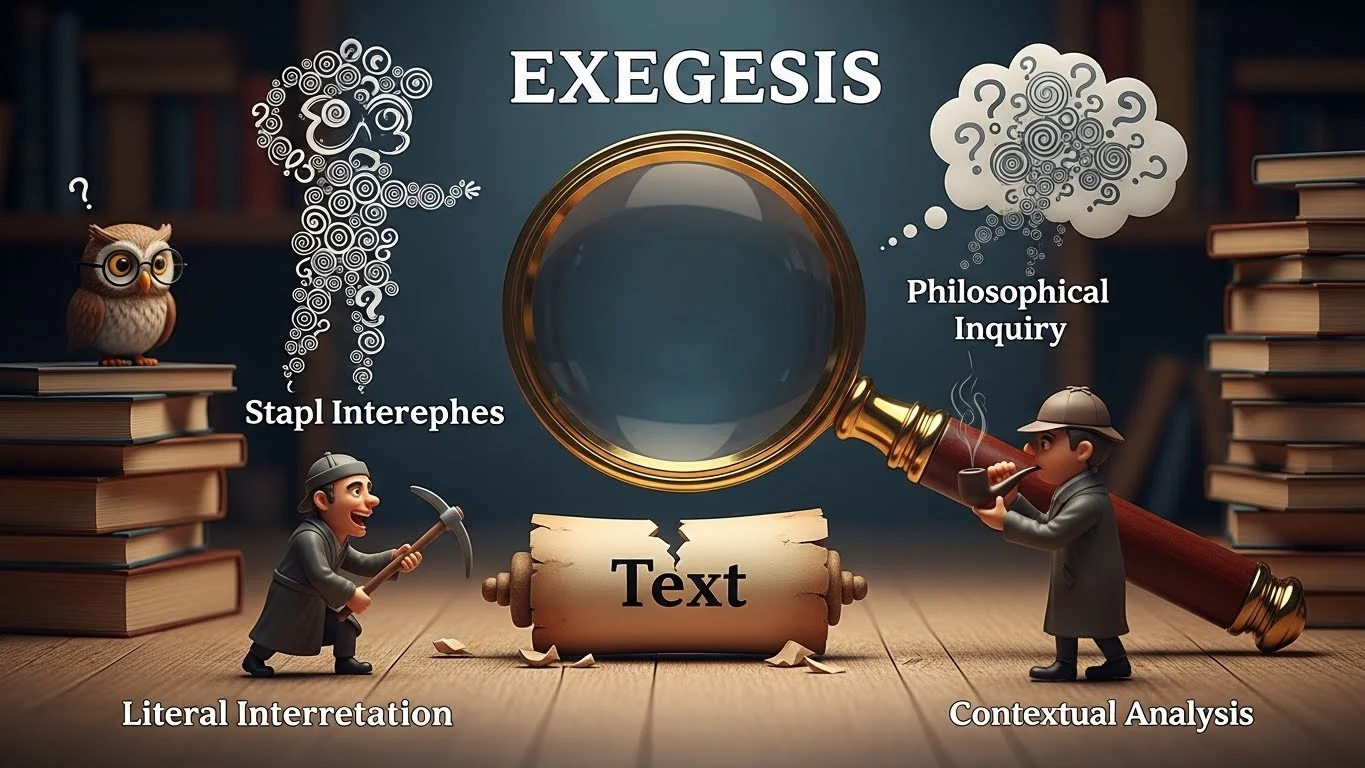
Exegesis Meaning for Beginners
For beginners, remember: exegesis means carefully explaining a text’s true meaning.
When to Use the Word Exegesis
Use it in academic, religious, or analytical discussions, not casual talk.