
What Does Atherosclerosis Mean in Simple Terms
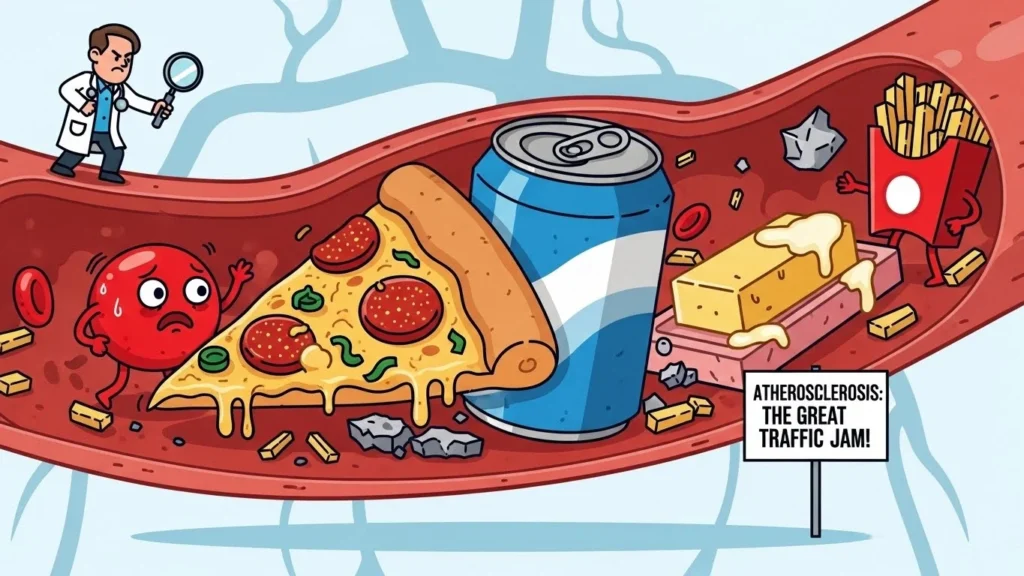
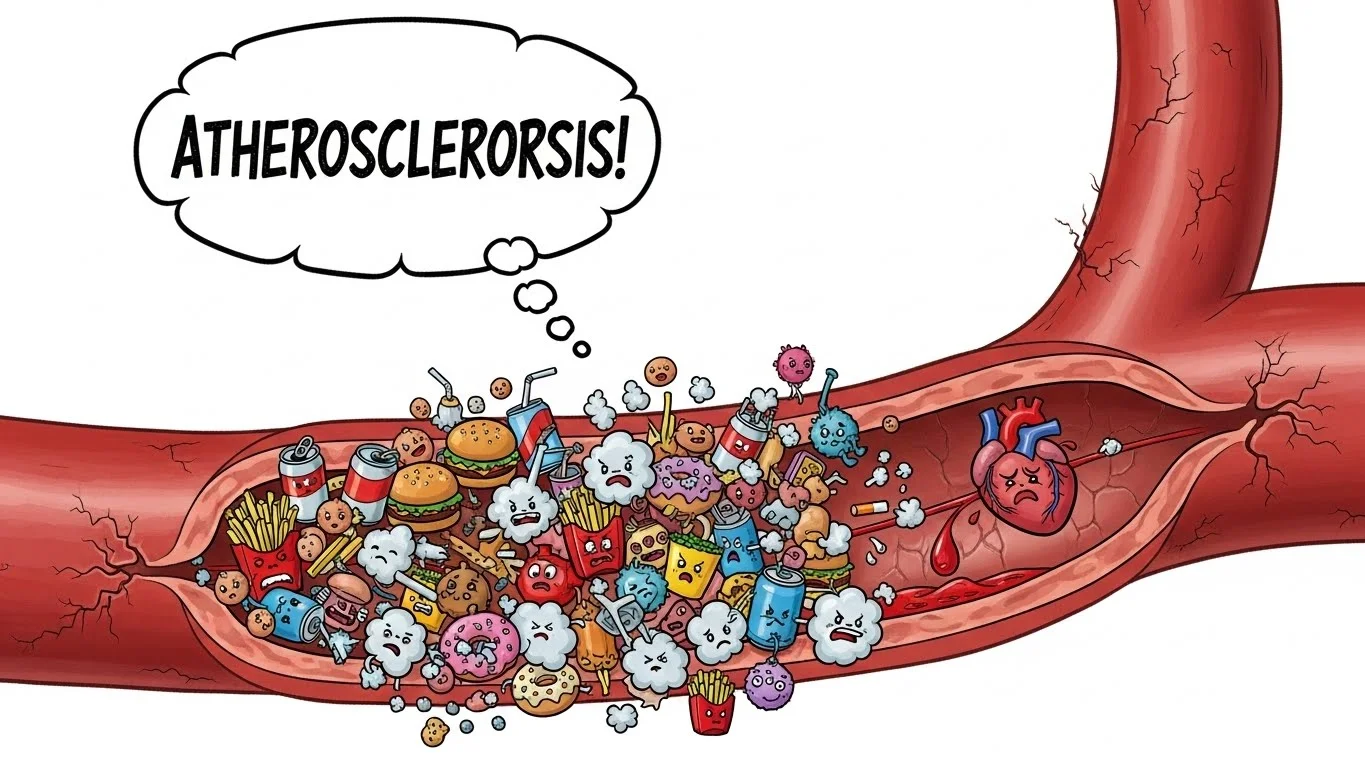
Atherosclerosis means the buildup of fatty deposits inside the arteries, which makes them narrow and hard.
In simple words:
Fat and cholesterol stick to artery walls
Blood flow becomes restricted
The heart and organs get less oxygen-rich blood
The Basic Medical Definition of Atherosclerosis
Atherosclerosis is a chronic condition where plaque builds up inside arteries.
Plaque is made of:
Fat
Cholesterol
Calcium
Other substances in the blood
Over time, this buildup hardens and reduces blood flow.
Why Atherosclerosis Is Dangerous
Atherosclerosis is dangerous because:
It blocks blood flow
It increases blood pressure
It can lead to serious conditions like heart attack or stroke
Often, it develops silently over many years.
How Atherosclerosis Develops in the Body
Atherosclerosis usually develops slowly.
The process includes:
Damage to artery walls
Plaque buildup
Hardening and narrowing of arteries
This makes it harder for blood to move freely.
Atherosclerosis Meaning in Heart Health
When atherosclerosis affects the heart arteries, it can cause:
Chest pain
Heart disease
Heart attacks
This is one of the most common and serious forms.
Atherosclerosis Meaning in the Brain
If it affects arteries leading to the brain, it may cause:
Reduced blood supply
Transient ischemic attacks
Stroke
Brain function depends heavily on steady blood flow.
Atherosclerosis Meaning in Legs and Limbs
In the legs, atherosclerosis can lead to:
Pain while walking
Cold or numb feet
Poor wound healing
This condition is often called peripheral artery disease.
Common Symptoms of Atherosclerosis
Early atherosclerosis often has no symptoms.
As it progresses, symptoms may include:
Chest pain
Shortness of breath
Fatigue
Leg pain
Weakness or dizziness
Symptoms depend on which arteries are affected.
Who Is at Risk of Atherosclerosis
Risk factors include:
High cholesterol
Smoking
High blood pressure
Diabetes
Obesity
Lack of exercise
Age and family history also play a role.
Atherosclerosis Meaning in Everyday Language
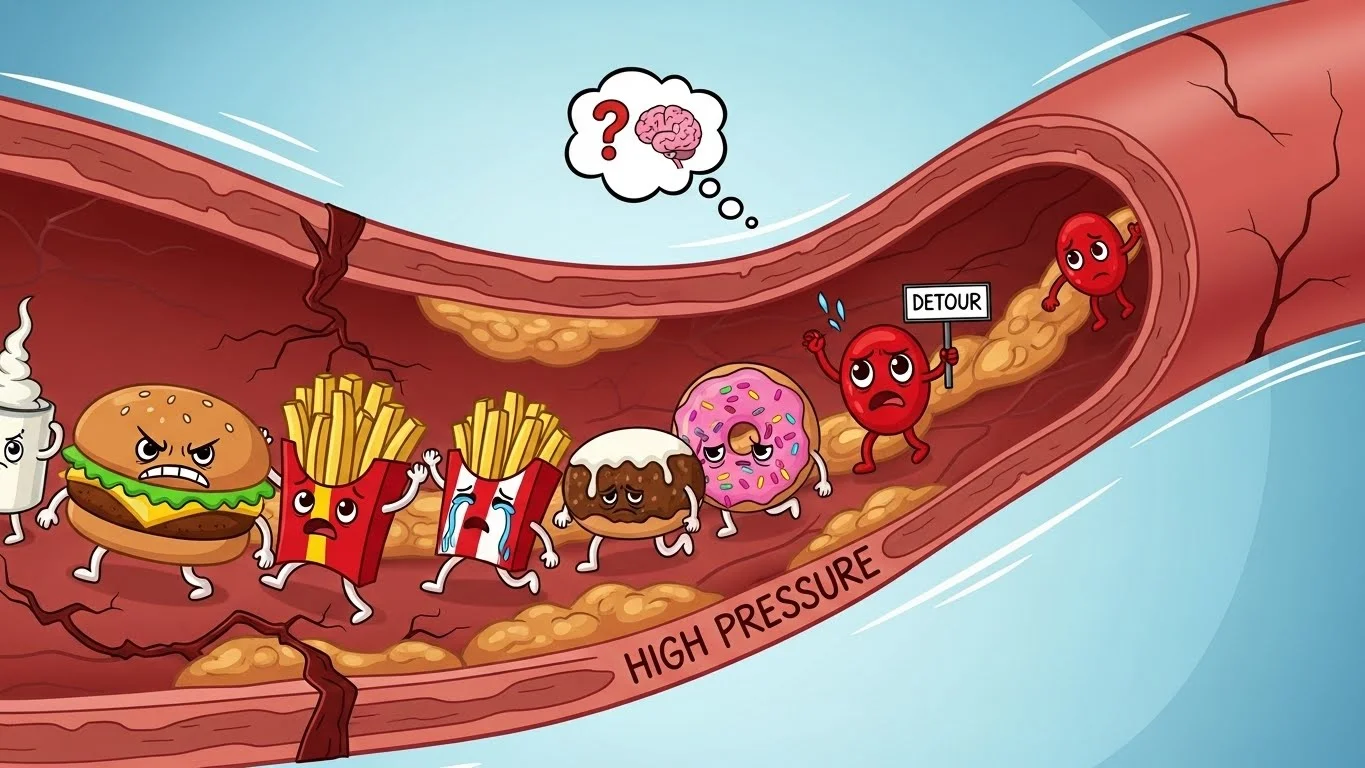
In everyday language, atherosclerosis is often described as:
“Clogged arteries”
“Hardened arteries”
These phrases help explain the condition more simply.
Difference Between Atherosclerosis and Arteriosclerosis
These terms are often confused.
Atherosclerosis: plaque buildup in arteries
Arteriosclerosis: general hardening of arteries
Atherosclerosis is a specific type of arteriosclerosis.
Is Atherosclerosis the Same as High Cholesterol
No, but they are related.
High cholesterol contributes to plaque
Atherosclerosis is the result of long-term buildup
Managing cholesterol helps reduce risk.
Atherosclerosis Meaning in Medical Reports
In medical reports, atherosclerosis indicates:
Reduced artery function
Increased cardiovascular risk
Need for monitoring or treatment
Doctors assess severity based on imaging and tests.
Can Atherosclerosis Be Reversed
Atherosclerosis is usually not fully reversible, but it can be:
Slowed down
Managed
Stabilized
Lifestyle changes and treatment are key.
How Lifestyle Affects Atherosclerosis
Lifestyle plays a major role.
Helpful habits include:
Healthy diet
Regular exercise
Not smoking
Managing stress
These can reduce progression.
Atherosclerosis Meaning in Aging
Atherosclerosis becomes more common with age.
This happens because:
Arteries lose flexibility
Plaque builds up over time
Risk factors accumulate
However, it is not an inevitable part of aging.
Common Misunderstandings About Atherosclerosis
Many people believe:
It happens suddenly
Only older people get it
It always causes symptoms
In reality, it develops slowly and silently.
How Doctors Detect Atherosclerosis
Doctors may use:
Blood tests
Imaging scans
Stress tests
Ultrasound
Early detection helps prevent complications.
Why Understanding Atherosclerosis Matters
Understanding this condition helps people:
Take heart health seriously
Make better lifestyle choices
Seek early medical advice
Knowledge supports prevention.
Can Young People Have Atherosclerosis
Yes, early plaque buildup can begin in youth.
Risk increases with:
Poor diet
Smoking
Inactive lifestyle
Prevention can start early.
Atherosclerosis Meaning in Public Health
In public health, atherosclerosis is a major concern because:
It leads to heart disease
It increases healthcare costs
It affects millions worldwide
Prevention efforts focus on lifestyle education.