
What Does Posterity Mean in Simple Terms
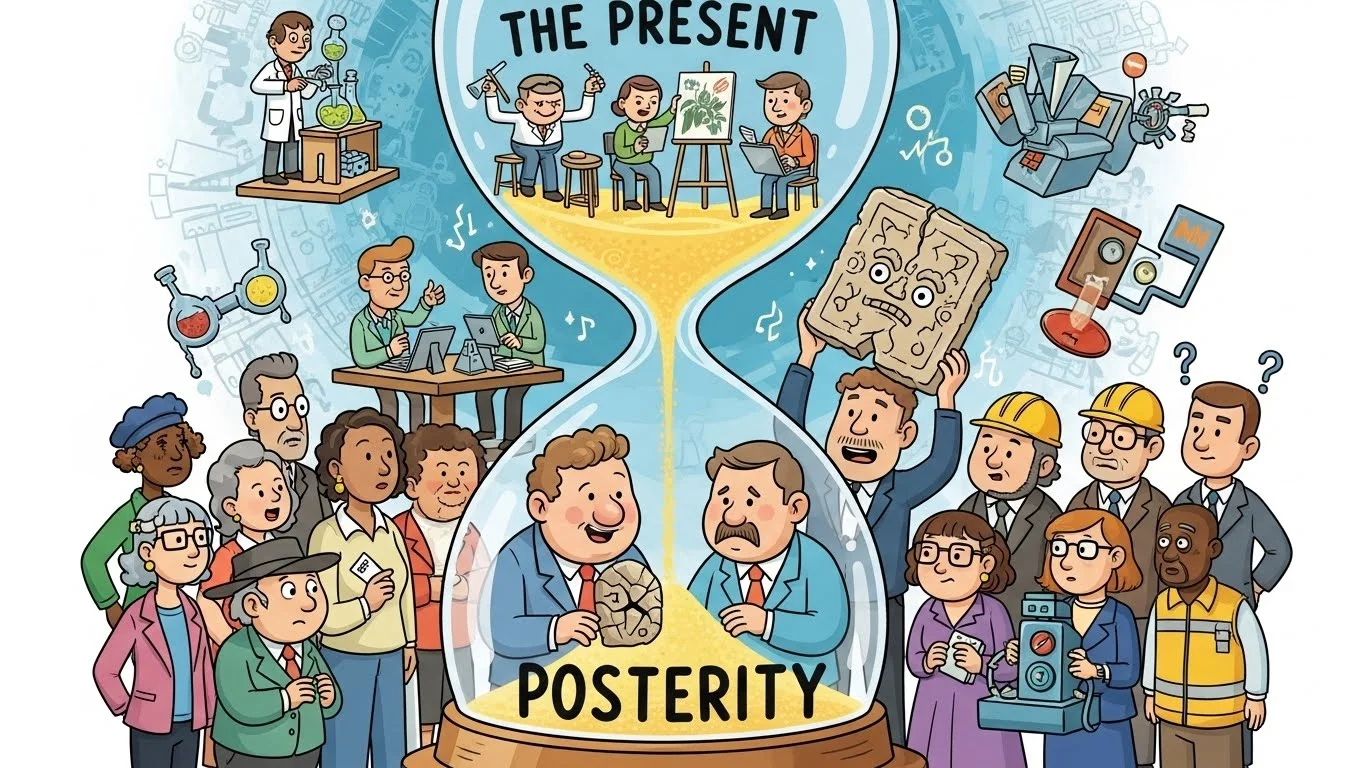
Posterity means future generations of people, especially those who come after us.
In simple words:
People born in the future
Descendants
Those who will live after the present time
The Basic Definition of Posterity
Posterity refers to all generations that follow the current one.
It is often used when talking about:
History
Legacy
Long-term impact
Posterity Meaning in Everyday Language
In everyday language, posterity is used to mean:
“People in the future”
“Those who come after us”
Example:
“This decision will affect posterity.”
Posterity Meaning in Historical Context
In history, posterity refers to:
How future generations will view past events
What lessons or records are left behind
Historians often write “for posterity” when preserving information.
Posterity Meaning in Famous Quotes
Posterity appears in many well-known quotes to emphasize:
Long-term importance
Responsibility to the future
It highlights actions meant to last beyond one lifetime.
Posterity Meaning in Legal and Formal Writing
In legal or formal texts, posterity may refer to:
Future citizens
Future beneficiaries
Long-term public interest
It adds a serious and forward-looking tone.
Posterity Meaning in Terms of Legacy
When talking about legacy, posterity means:
How someone will be remembered
What they leave behind for future generations
This can include ideas, values, or achievements.
Posterity vs Descendants
These words are related but not identical.
Posterity: all future generations in general
Descendants: direct family members, like children or grandchildren
Posterity is broader.
Posterity vs Legacy
Another common comparison.
Posterity: the people of the future
Legacy: what is left for them
Legacy is what you leave; posterity is who receives it.
Posterity Meaning in Literature
In literature, posterity is often used to:
Add importance to actions
Emphasize timelessness
Show concern for the future
It is common in classic writing.
Posterity Meaning in Modern Usage
In modern English, posterity is still used but mainly in:
Formal speech
Writing
Thoughtful discussions
It is less common in casual conversation.
Is Posterity a Formal Word
Yes, posterity is considered formal or semi-formal.
It is more likely to appear in:
Essays
Speeches
Articles
Historical texts
Can Posterity Refer to Children
Sometimes, but not always.
Posterity can include:
Children
Grandchildren
All future generations
It is not limited to immediate family.
Posterity Meaning in Social Responsibility
The word is often used when discussing:
Environmental protection
Social justice
Long-term planning
It reminds people to think beyond the present.
Common Phrases Using Posterity
Common expressions include:
“For the sake of posterity”
“Preserved for posterity”
“Judged by posterity”
These phrases stress future importance.
Why People Talk About Posterity
People mention posterity to:
Emphasize lasting impact
Encourage responsible choices
Highlight historical importance
It frames actions in a long-term view.
Posterity Meaning in Ethics and Morality
In ethical discussions, posterity represents:
Future rights
Long-term consequences
Moral responsibility beyond oneself
It encourages thoughtful decision-making.
Common Misunderstandings About Posterity
Some people think posterity:
Only means children
Refers to reputation, not people
Is outdated or unused
In reality, it refers to people of the future.
When to Use the Word Posterity
Use posterity when discussing:
Future generations
Historical impact
Long-term consequences
It adds seriousness and depth.
When Posterity Is Not the Right Word
Posterity is not suitable for:
Casual conversation
Short-term situations
Immediate outcomes
Other simpler words may work better.

Posterity Meaning in Education and Records
In education and archives, posterity refers to:
Preserving knowledge
Saving documents for future learners
Maintaining historical records
It highlights long-term value.
Why Posterity Still Matters Today
Posterity matters because:
Decisions affect future generations
History shapes the future
Long-term thinking is essential
The word remains relevant.