

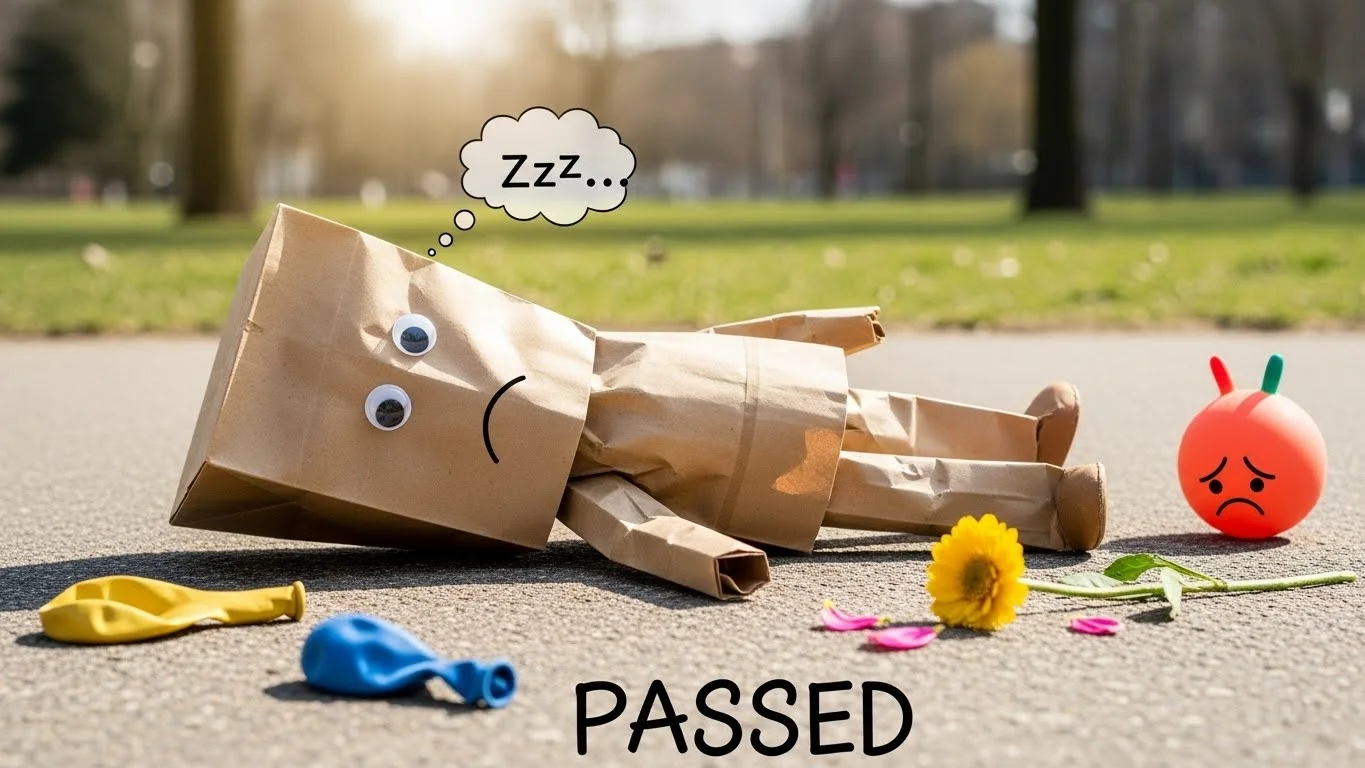
Passed out meaning in simple words
In simple terms, passed out means to lose consciousness or awareness, usually for a short time. It can also mean falling asleep suddenly, especially due to tiredness or alcohol.
Literal meaning of passed out
The literal meaning of passed out is becoming unconscious. This often happens due to illness, injury, shock, pain, or lack of oxygen.
Example:
He passed out after feeling dizzy.
Passed out meaning in daily life
In daily conversations, people often use passed out casually. It does not always mean a medical emergency. Many times, it simply means someone fell asleep quickly.
Example:
I was so tired that I passed out on the couch.
Passed out meaning related to sleep
When connected to sleep, passed out means falling asleep very fast, usually because of extreme tiredness.
Example:
After working all night, she passed out as soon as she got home.
Passed out meaning in medical context
In medical terms, passed out means fainting or temporary loss of consciousness. Doctors may use terms like “syncope” instead, but people still say passed out in normal speech.
Example:
The patient passed out due to low blood pressure.
Passed out meaning and fainting
Fainting is one of the most common meanings of passed out. It happens when the brain does not get enough blood or oxygen for a short time.
Example:
He passed out during the heatwave.
Passed out meaning due to exhaustion
Extreme physical or mental exhaustion can cause someone to pass out, meaning they suddenly lose energy or awareness.
Example:
She passed out after running the marathon.
Passed out meaning and alcohol use
In modern slang, passed out often refers to losing consciousness or falling asleep because of drinking too much alcohol.
Example:
He passed out after the party.

Passed out meaning in informal slang
In informal English, passed out can simply mean sleeping deeply, even without alcohol or illness.
Example:
I called you last night, but you were passed out.
Passed out meaning vs fell asleep
Although similar, there is a difference. Fell asleep sounds normal and gentle. Passed out sounds sudden or extreme and suggests exhaustion, shock, or loss of control.
Passed out meaning in stressful situations
Stress, fear, or emotional shock can also cause someone to pass out.
Example:
She passed out when she heard the bad news.
Passed out meaning in fitness and sports
In sports, passed out usually means collapsing or losing consciousness due to dehydration, heat, or overexertion.
Example:
The athlete passed out during training.
Passed out meaning in heat-related situations
High temperatures can cause heat exhaustion or heatstroke, leading someone to pass out.
Example:
He passed out after standing in the sun too long.
Passed out meaning in storytelling and media
Movies and books often use passed out to describe a character losing consciousness suddenly, adding drama or tension.
Example:
The hero passed out after the explosion.
Passed out meaning in modern English usage
Today, passed out is widely used in both serious and casual contexts. The meaning depends heavily on the situation and tone.
Common misunderstandings of passed out meaning
Many people think passed out always means a medical emergency. In reality, it can also mean simple sleep or tiredness, depending on context.
Is passed out always serious?
No. While it can be serious in medical situations, it is often used casually in everyday speech to describe deep sleep or exhaustion.
Grammar and tense usage of passed out
“Passed out” is the past form of the phrasal verb pass out.
Examples:
He passes out easily.
She passed out yesterday.
He has passed out before.
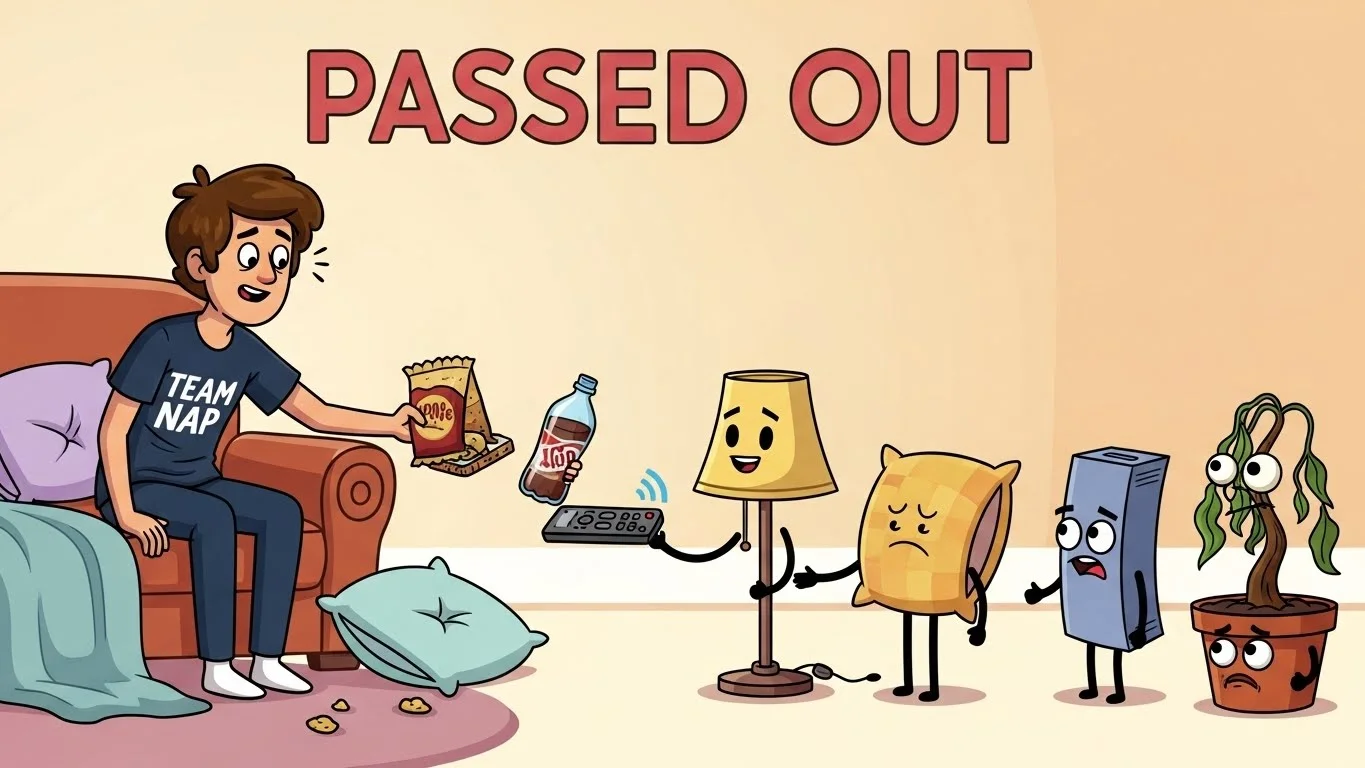
Synonyms related to passed out meaning
Depending on context, synonyms include:
fainted, collapsed, blacked out, fell asleep, lost consciousness
How to understand passed out from context
Always look at the situation. Medical settings suggest fainting. Casual conversations often suggest sleep or tiredness.