
What Is the Basic Symmetry Meaning
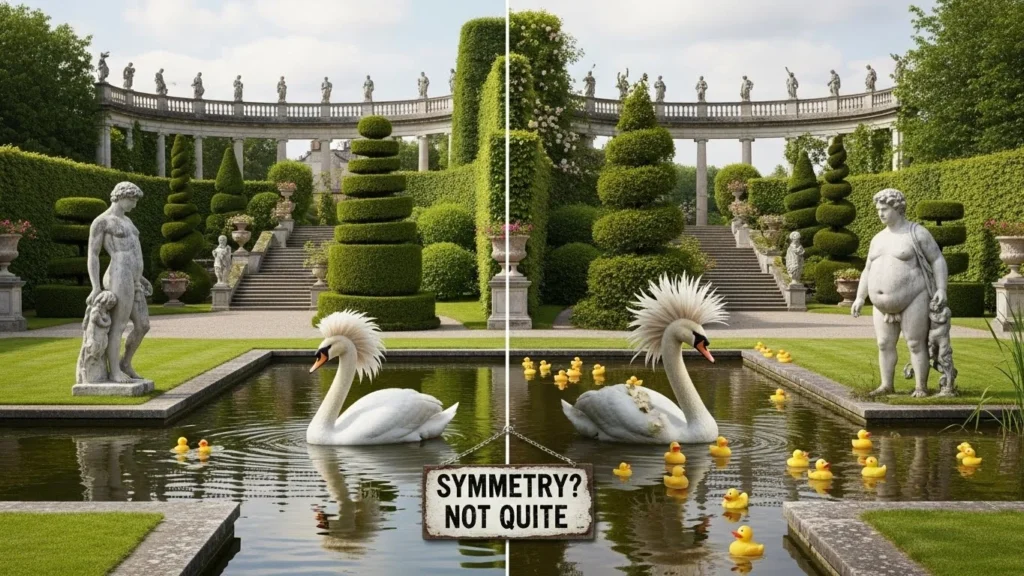
The basic symmetry meaning is when something has two or more parts that are the same in size, shape, or position. These parts match each other in a balanced way.
If you can divide something into equal halves that look the same, it has symmetry.
Symmetry Meaning in Simple Words
In simple words, symmetry means sameness or balance. One side looks like the other side.
For example, if you fold a paper heart in half and both sides match, it is symmetrical.
Symmetry Meaning in Daily Life
We see symmetry every day, even without noticing it.
Examples include:
Human faces
Butterflies
Leaves
Buildings
Playing cards
These objects look balanced because their parts match each other.
Symmetry Meaning in Mathematics
In math, symmetry means that a shape stays unchanged when flipped, rotated, or moved.
A square is symmetrical because:
All sides are equal
Both halves match perfectly
Math uses symmetry to understand shapes, patterns, and geometry.
Line Symmetry Explained
Line symmetry happens when a shape can be divided into two equal mirror halves using a straight line.
This line is called the line of symmetry.
Examples:
Circle (many lines of symmetry)
Square (four lines of symmetry)
Rectangle (two lines of symmetry)
Rotational Symmetry Meaning
Rotational symmetry means a shape looks the same after being rotated.
For example:
A wheel looks the same when turned
A star shape may match itself after rotation
If it matches before a full turn, it has rotational symmetry.
Symmetry Meaning in Nature
Nature is full of symmetry.
Common natural examples include:
Flowers with equal petals
Snowflakes
Butterfly wings
Human bodies
Nature uses symmetry because it creates balance and efficiency.
Symmetry Meaning in Art and Design
In art, symmetry creates beauty, harmony, and order.
Artists and designers use symmetry in:
Paintings
Architecture
Logos
Patterns
Symmetrical designs often feel calm and pleasing to the eye.
Symmetry Meaning in Architecture
Buildings often use symmetry to appear strong and balanced.
Examples include:
Mosques
Temples
Government buildings
Historical monuments
Symmetry helps buildings look organized and visually stable.
Symmetry Meaning in Science
In science, symmetry explains balance in:
Physics laws
Chemistry molecules
Biology structures
For example, many molecules are symmetrical, which affects how they react.
Symmetry Meaning in Physics
In physics, symmetry means that natural laws stay the same under certain conditions.
For example:
Time symmetry
Space symmetry
These ideas help scientists understand how the universe works.
Symmetry Meaning in Chemistry
In chemistry, symmetry describes how atoms are arranged in molecules.
Symmetrical molecules are often:
More stable
Easier to study
Water and carbon dioxide are common examples.
Symmetry Meaning in Biology
In biology, symmetry refers to how living things are shaped.
Main types include:
Bilateral symmetry (humans, animals)
Radial symmetry (starfish, flowers)
This helps scientists classify organisms.
Symmetry Meaning in Technology
In modern technology, symmetry is used in:
Computer graphics
User interface design
Engineering
Balanced designs improve performance and appearance.
Symmetry Meaning in Patterns
Patterns often repeat in a symmetrical way.
Examples include:
Tiles
Wallpapers
Fabric designs
Symmetry makes patterns easier to recognize and more attractive.
Symmetry Meaning in Language and Writing
In writing, symmetry can describe balanced sentence structures.
For example:
Similar sentence lengths
Matching ideas on both sides
This creates rhythm and clarity in writing.
Modern Usage of the Word Symmetry
Today, symmetry is also used metaphorically.
Examples:
“There is symmetry in their opinions.”
“The story has emotional symmetry.”
This means balance, not physical shape.
Common Misunderstandings About Symmetry
Many people think symmetry means:
Everything must be identical
Only shapes can be symmetrical
In reality, symmetry can be visual, natural, mathematical, or abstract.
Symmetry vs Asymmetry Meaning
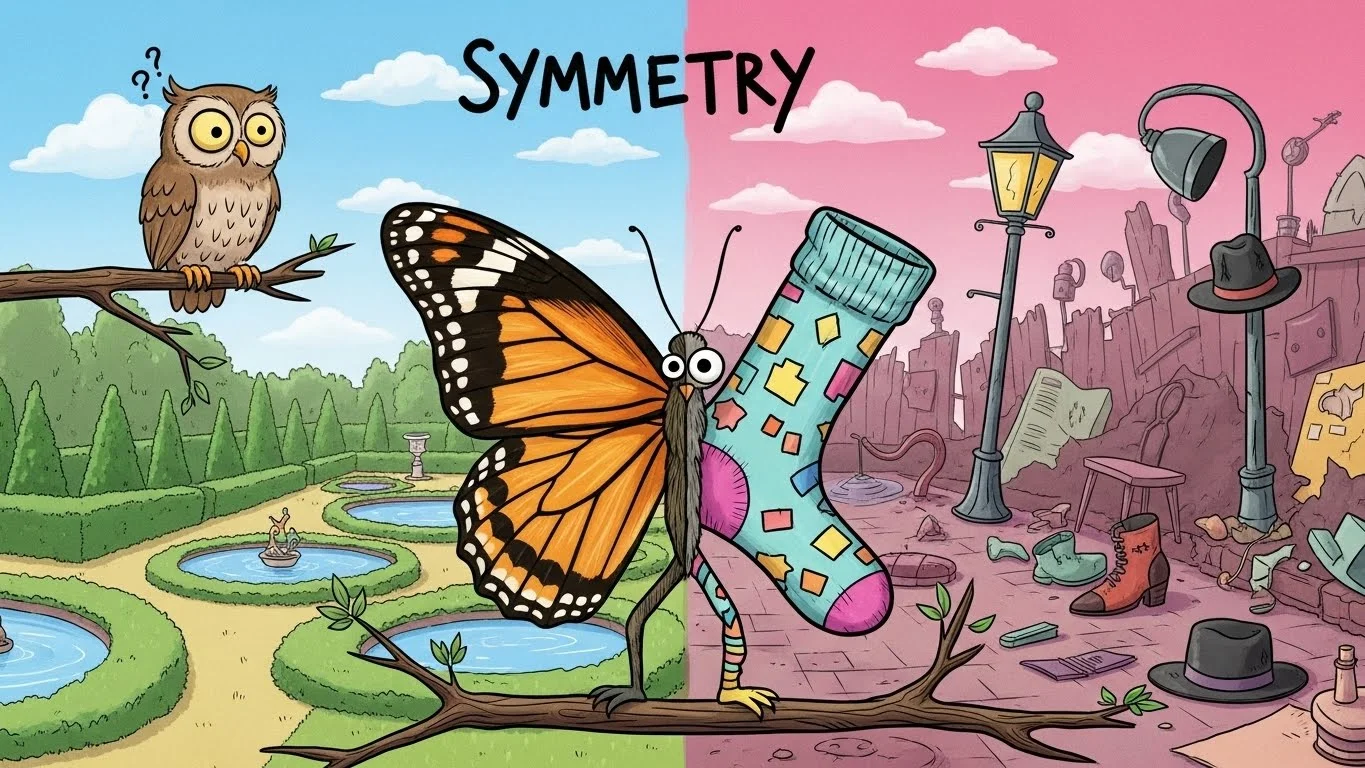
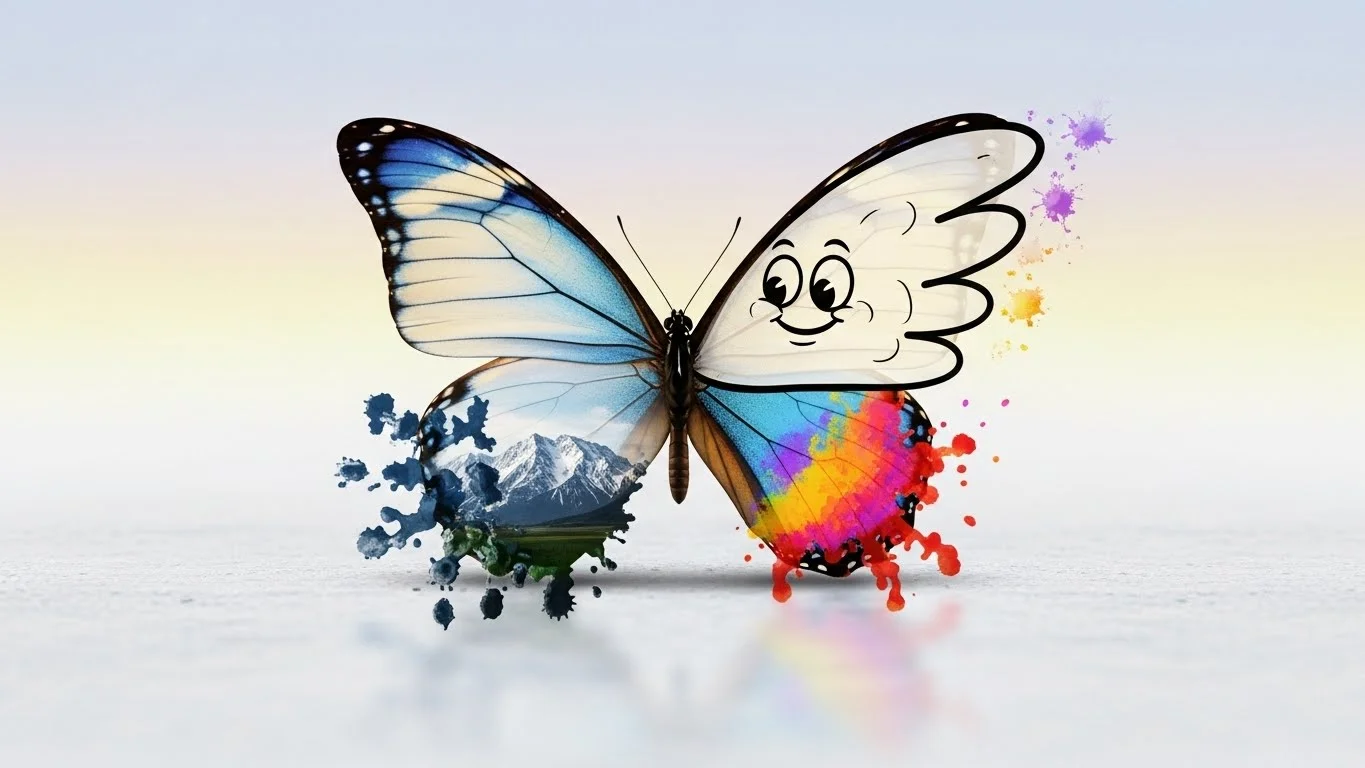
Symmetry means balance and matching parts.
Asymmetry means unequal or unbalanced parts.
Both are important in design and nature.
Why Symmetry Is Important
Symmetry is important because it:
Creates balance
Improves beauty
Helps understanding in science and math
Makes designs easier to use
It plays a role in both learning and real life.