
Historical Origin of Drawn and Quartered
“Drawn and quartered” was a legal form of punishment in England for serious crimes like high treason. It involved several stages of execution that were deliberately harsh.
The Meaning of Drawn
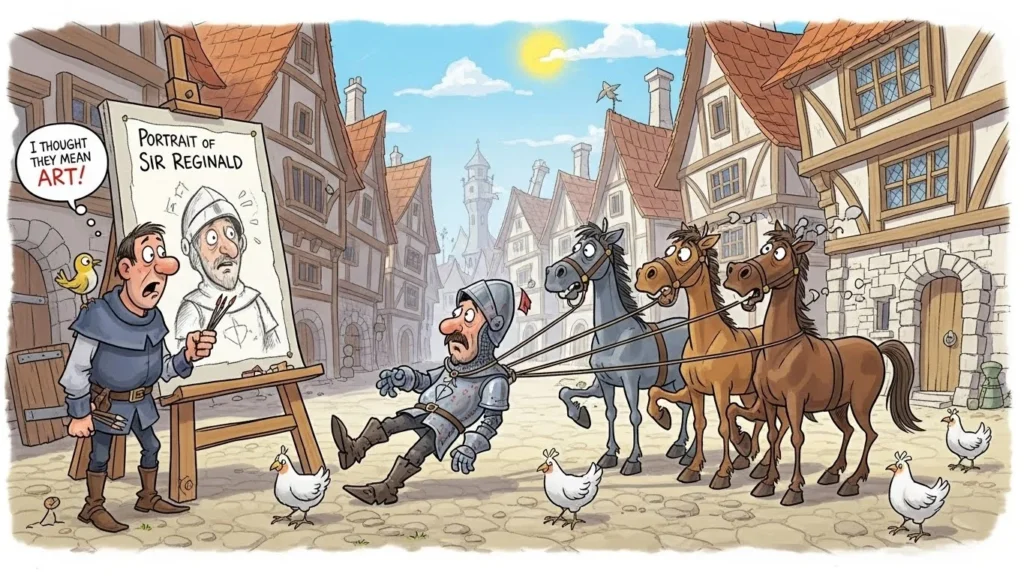
In historical context, “drawn” referred to the victim being tied to a horse and dragged to the place of execution. It was meant to humiliate and inflict pain before the main execution.
The Meaning of Quartered
“Quartered” meant the body was divided into four parts after death. This was part of the execution process to act as a warning to others.
Full Historical Execution Process
The full execution involved hanging, drawing, and quartering. First, the person was hanged but not always to death. Then, they were drawn to the execution site and finally dismembered.
Drawn and Quartered in Modern Language
Today, the phrase is rarely literal. People use it metaphorically to describe harsh criticism or extreme punishment in a non-physical sense.
Common Misunderstandings
Many people confuse “drawn and quartered” with just hanging or other forms of execution. Historically, it was a combination of multiple punishments, not just one.
Drawn and Quartered in Literature
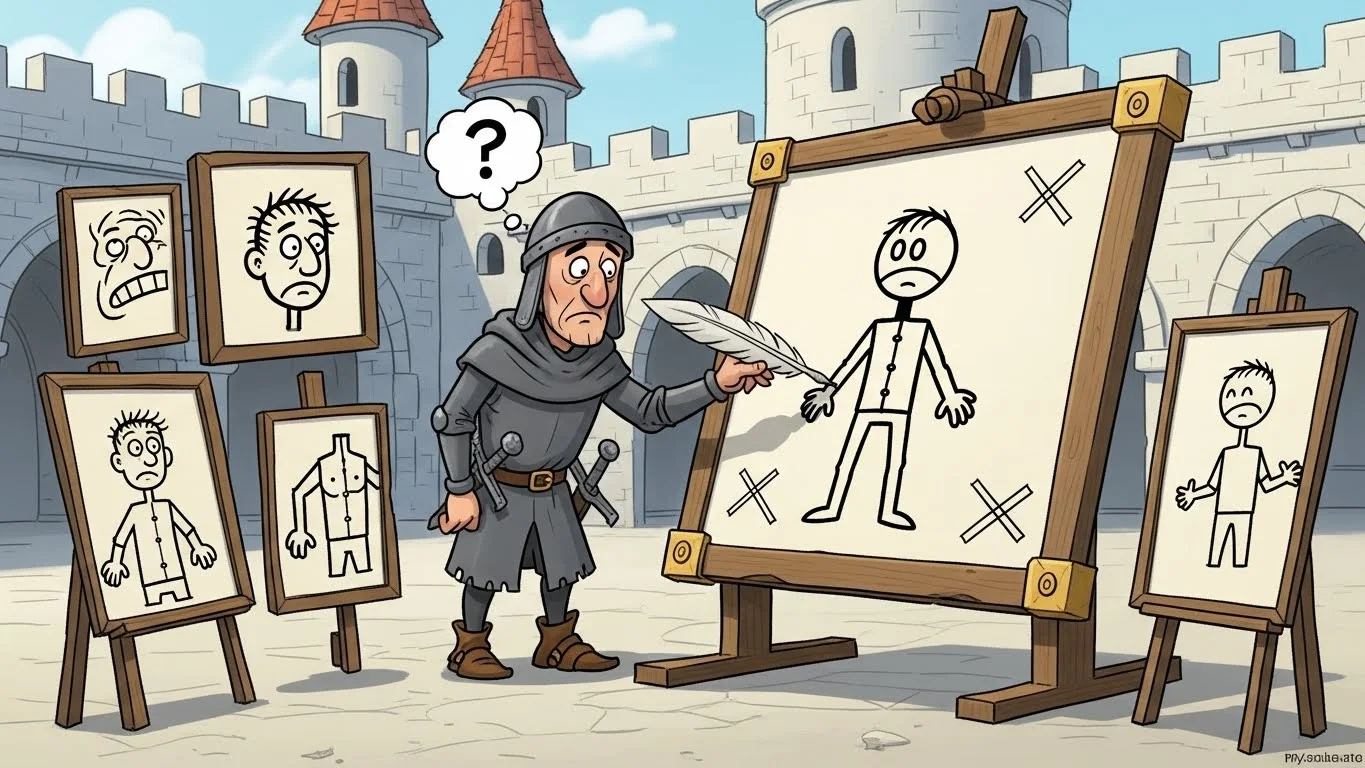
Writers often use the phrase to describe intense suffering or consequences in stories. It adds a dramatic or historical tone.
Drawn and Quartered in Movies and TV
In modern media, the term is sometimes shown in historical dramas. In other contexts, it is used metaphorically to describe a character being torn apart by criticism or conflict.
Metaphorical Use in Daily Life
You might hear someone say, “I felt drawn and quartered at work today,” meaning they were harshly criticized or overwhelmed.
Drawn and Quartered in News Articles
Occasionally, journalists use the phrase metaphorically to describe political attacks or public shaming. It’s a vivid way to show intensity without violence.
Difference Between Literal and Figurative Use
Literal: Historical execution method.
Figurative: Emotional, social, or professional “attack” or extreme consequence.
Drawn and Quartered in Idioms
Though not a common idiom, it sometimes appears in older English literature or historical references to emphasize severity.
Modern Understanding Among Younger People
Many younger readers or speakers may know the phrase from historical fiction, movies, or online discussions rather than literal history.
Misuse of the Term
Some people incorrectly use it to describe any harsh punishment. The key is that the original meaning is very specific and extreme.
Why It Sounds Shocking Today
Modern sensibilities make the literal punishment seem cruel and almost unbelievable. This shock factor contributes to its metaphorical appeal in language.
Legal Context History
In England, being drawn and quartered was the official punishment for high treason from the 13th century until the 19th century. It was gradually abolished as society moved away from public executions.
Psychological Impact in History
Victims and witnesses experienced extreme trauma. The punishment was designed to instill fear and control populations through deterrence.
Educational Use
Teachers may use the term when discussing history, law, or English literature to explain medieval justice systems.
Cultural References
The phrase appears in historical documentaries, literature, and sometimes in music or political speeches as a metaphor for being harshly treated.
How to Use It Correctly
When using the phrase today:
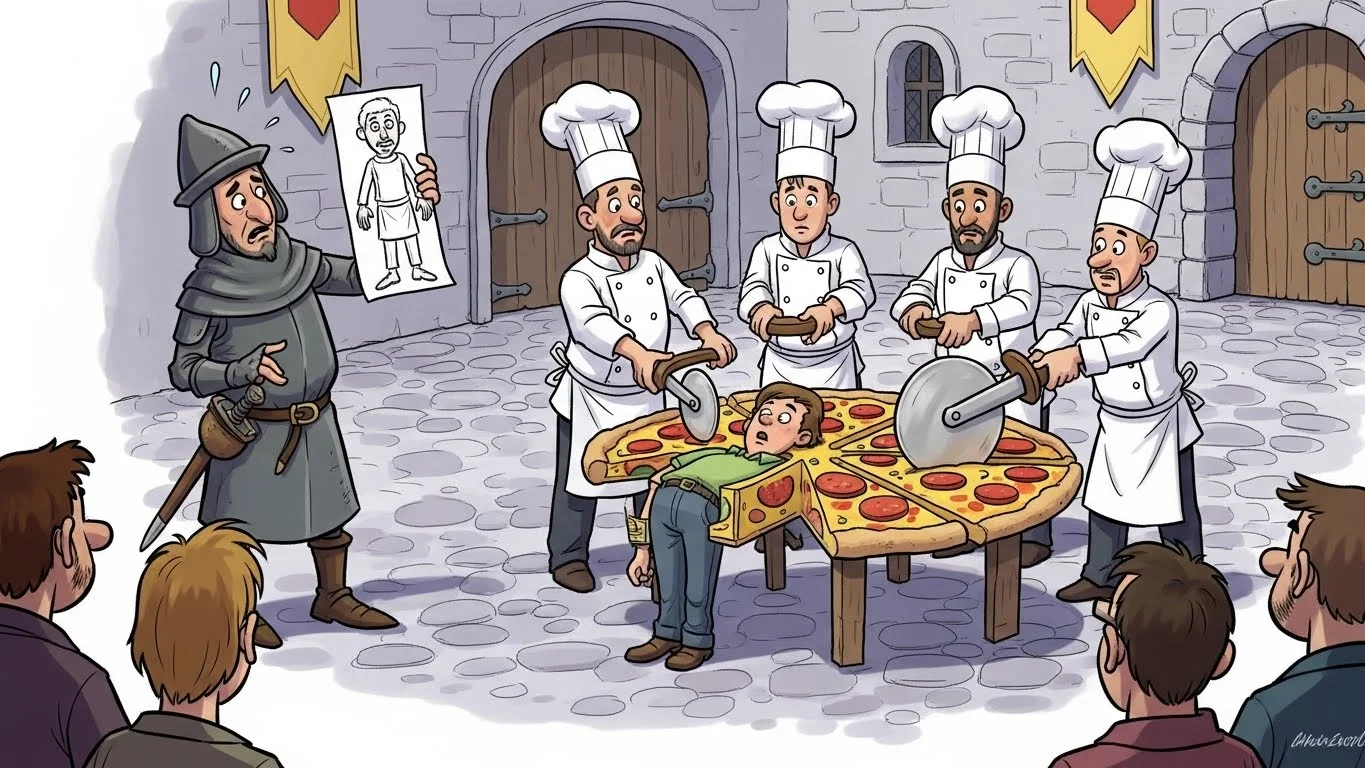
Metaphorically: Appropriate for describing strong criticism or emotional impact.
Literally: Only in historical or educational discussions.
Summary
“Drawn and quartered” started as a literal execution method but now often appears in modern English as a metaphor. Knowing its history helps avoid misuse and enhances understanding of historical and cultural references.