
What Is a Derivative?
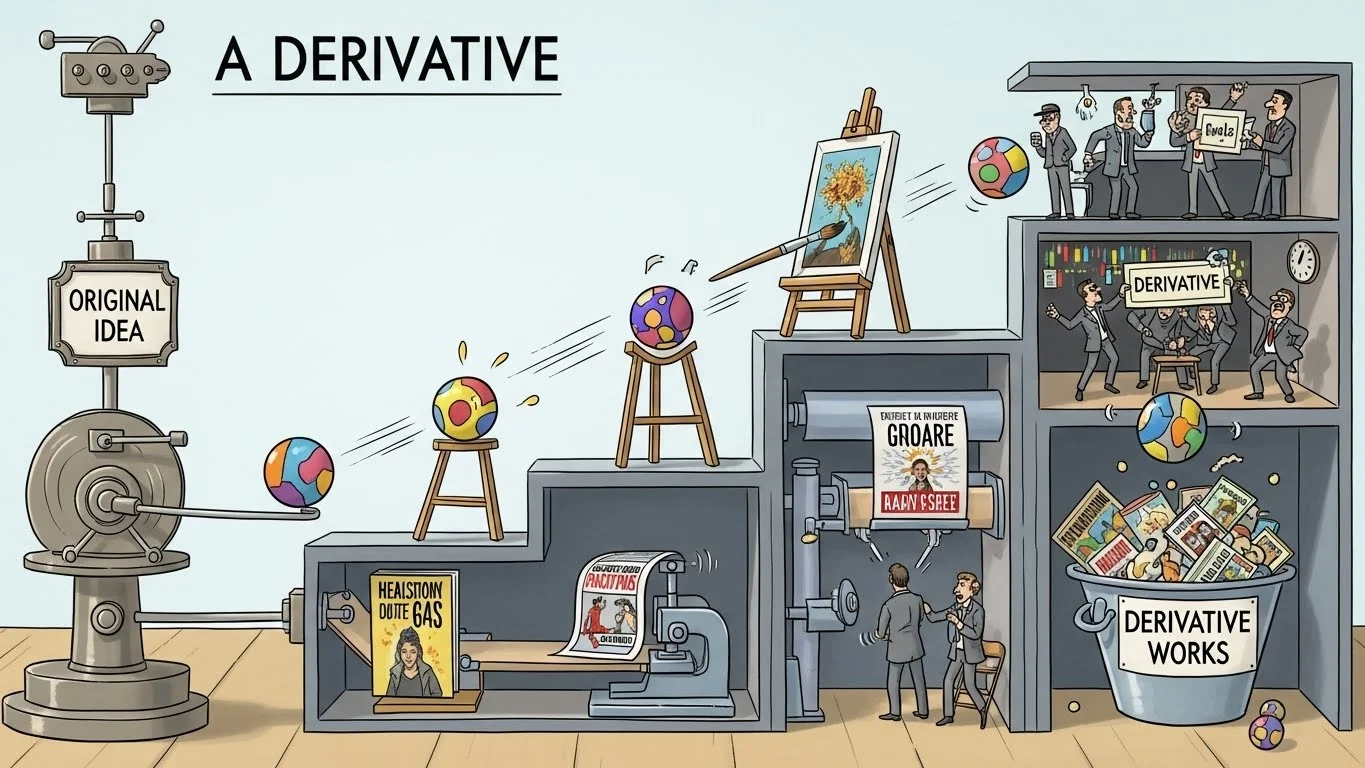
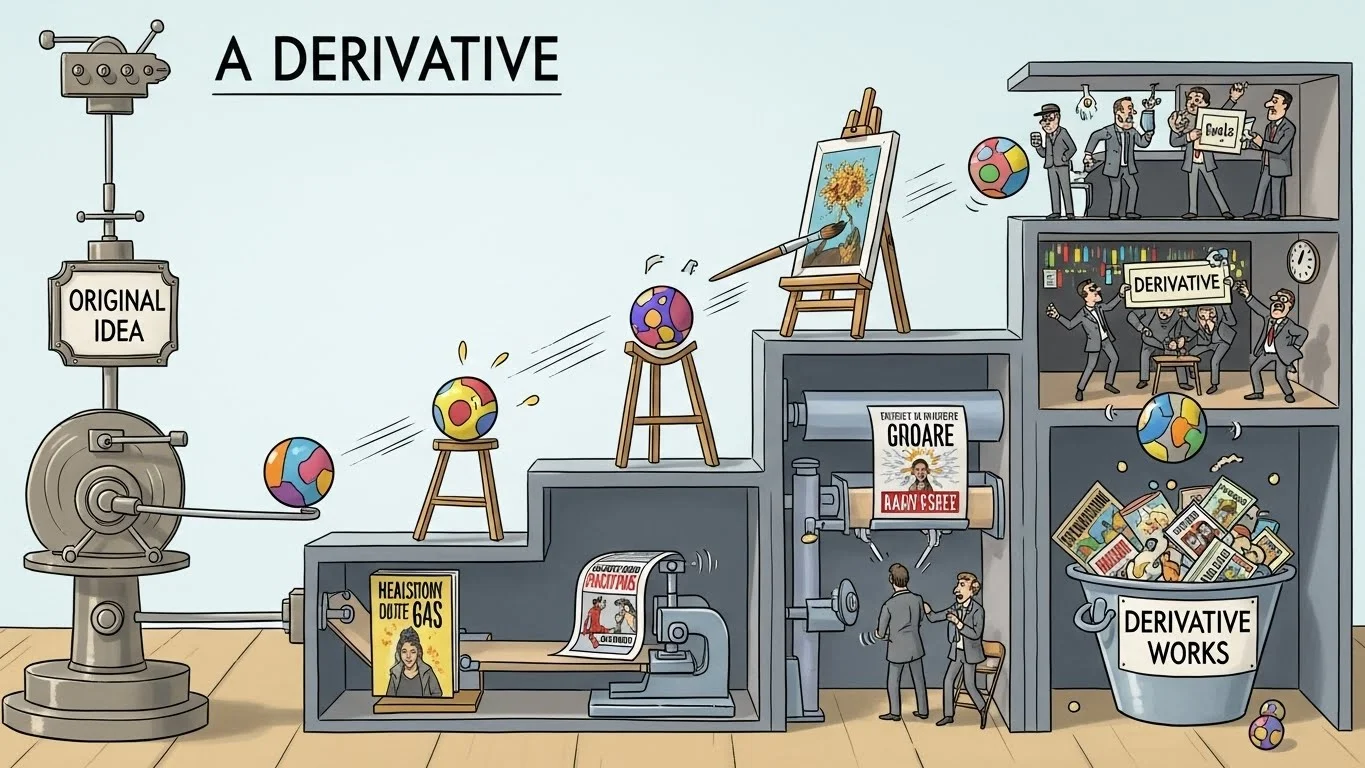
A derivative is something that comes from or depends on something else. It is not original but is based on another source.
Derivative Meaning in Mathematics
In math, a derivative shows how a function changes. It measures the rate at which one quantity changes compared to another.
Simple Example of a Mathematical Derivative
If a car travels at different speeds, the derivative of its position tells us its speed at any moment.
Derivative Meaning in Finance
In finance, a derivative is a contract whose value comes from the performance of an underlying asset, like stocks, bonds, or currencies.
Common Types of Financial Derivatives
Some common derivatives include options, futures, and swaps. They are used to manage risk or speculate on price changes.
Derivative in Daily Life
Outside math and finance, a derivative can mean anything that is based on something else, like a product inspired by another idea.
Example in Language
Words or phrases that come from older words can also be considered derivatives in linguistics.
Common Misunderstandings
Many people confuse a derivative with the original. Remember, a derivative depends on something else—it is not independent.
Modern Usage of Derivative
In modern business and tech, derivative can refer to trends, products, or ideas that are adaptations of something popular.
Derivative in Science
In science, derivatives appear in formulas to measure rates of change, such as speed, growth, or decay.
Calculating a Derivative in Math
The derivative of a function is calculated using limits and formulas. Basic rules include the power rule, product rule, and chain rule.
Importance of Derivatives in Math
Derivatives help us understand how things change and predict behavior in physics, engineering, and economics.
Why Derivatives Matter in Finance
They allow businesses and investors to reduce risk, protect against losses, or gain from market movements.
Examples of Financial Derivatives in Real Life
Companies use derivatives to lock in interest rates or protect against currency fluctuations.
How Derivative Is Used Figuratively
You might hear someone say, “That movie is derivative,” meaning it’s heavily influenced by something else and lacks originality.
Difference Between Derivative and Original
The key difference is originality. The original is independent, while a derivative relies on something else.
Derivative in Technology
In tech, derivatives can mean software or apps that are based on existing platforms or ideas.
Easy Way to Remember Derivative Meaning
Think of it as “coming from something else.” Anything derived depends on an original source.
Tips for Using Derivative Correctly
In math, always check the function and variable.
In finance, know the underlying asset.
In daily speech, understand the context.
Summary of Derivative Uses
Derivatives exist in math, finance, language, science, and everyday life. They all share the basic meaning: something based on another source.