
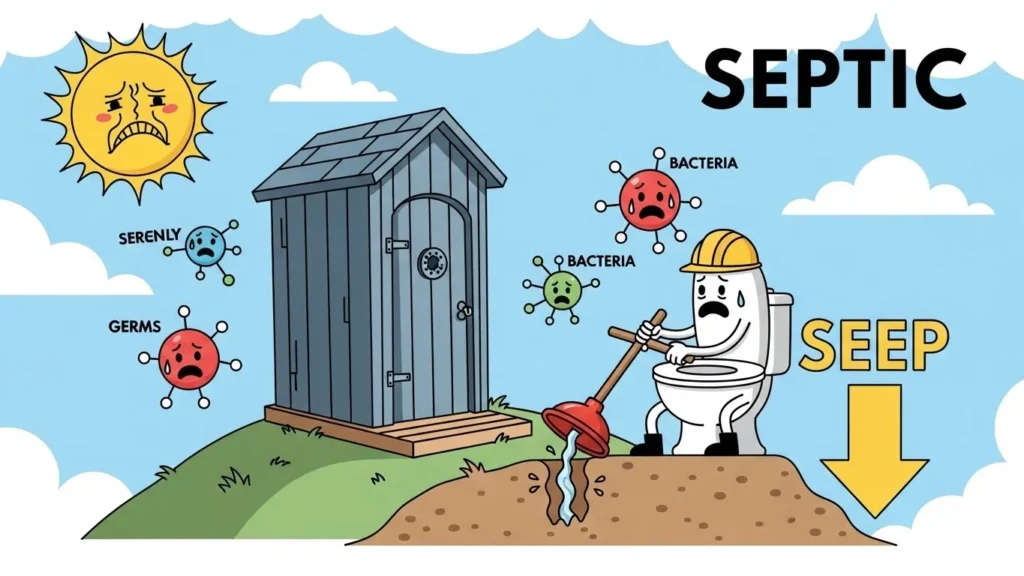

Septic Meaning in Simple Terms
At its core, septic relates to infection or decay caused by bacteria. It often describes a condition or system that is contaminated or prone to infection.
Septic in Medical Context
In medicine, septic refers to infection. For example, a patient can be “septic” if harmful bacteria enter the bloodstream, potentially causing serious illness.
Septic Shock Explained
Septic shock is a severe and life-threatening reaction to infection. It can lead to low blood pressure, organ failure, and requires urgent medical attention.
Septicemia: Blood Infection
Septicemia, often called blood poisoning, happens when bacteria spread through the blood. This is a medical emergency linked to the term septic.
Septic in Everyday Language
People sometimes use “septic” to describe something unpleasant or foul, like a “septic wound” or a “septic smell.” It’s not always medical—it can describe decay or rot.
Septic Tanks and Household Use
In plumbing and housing, septic often refers to a septic tank, which stores and treats household wastewater. Here, it doesn’t mean infection but relates to bacteria breaking down waste.
Septic vs. Infected: Understanding the Difference
Not all infections are septic. Septic implies a systemic issue, often with bacteria spreading or causing severe consequences, whereas “infected” can be local and minor.
Common Misunderstandings
Some people confuse septic with “toxic” or “dirty.” While it can involve contamination, septic specifically involves bacteria causing infection or decay.
Septic in Modern Slang
In modern informal speech, people may describe situations, wounds, or even conversations as “septic” to mean messy, toxic, or harmful.
Symptoms of Septic Conditions
Medical septic conditions can show fever, chills, rapid heartbeat, low blood pressure, confusion, and extreme fatigue.
Causes of Septic Conditions
Septic conditions are usually caused by bacteria, sometimes fungi or viruses, entering the body through wounds, infections, or invasive procedures.
Treating Septic Conditions
Treatment depends on the cause but often includes antibiotics, fluids, and hospital care. Early detection is crucial to prevent complications.
Septic in Environmental Context
In environmental science, “septic” can refer to soil or water contaminated with bacteria, often linked to improper waste disposal.
Septic in Agriculture
Farmers may use septic to describe manure systems or soil that has harmful bacterial activity affecting crops or livestock.
Septic in Home Maintenance
A septic system at home requires regular inspection and cleaning to prevent leaks, foul odors, and contamination.
Septic Tank Problems
Common septic tank issues include blockages, overflowing, and bacterial imbalance. Recognizing early signs prevents serious health risks.
Preventing Septic Issues
Good hygiene, proper septic tank maintenance, and early medical attention for infections are key to avoiding septic problems.
Septic in Literature and Culture
In literature or storytelling, septic may symbolize decay, corruption, or something dangerous spreading unseen.

Septic in Chemistry
Sometimes, septic can describe materials that promote bacterial growth or are prone to decomposition under certain conditions.
Summary of Septic Meaning
Overall, septic is a versatile word that primarily relates to infection, bacteria, decay, or contamination. Context determines whether it is medical, environmental, or everyday usage.