What Is Veracity?
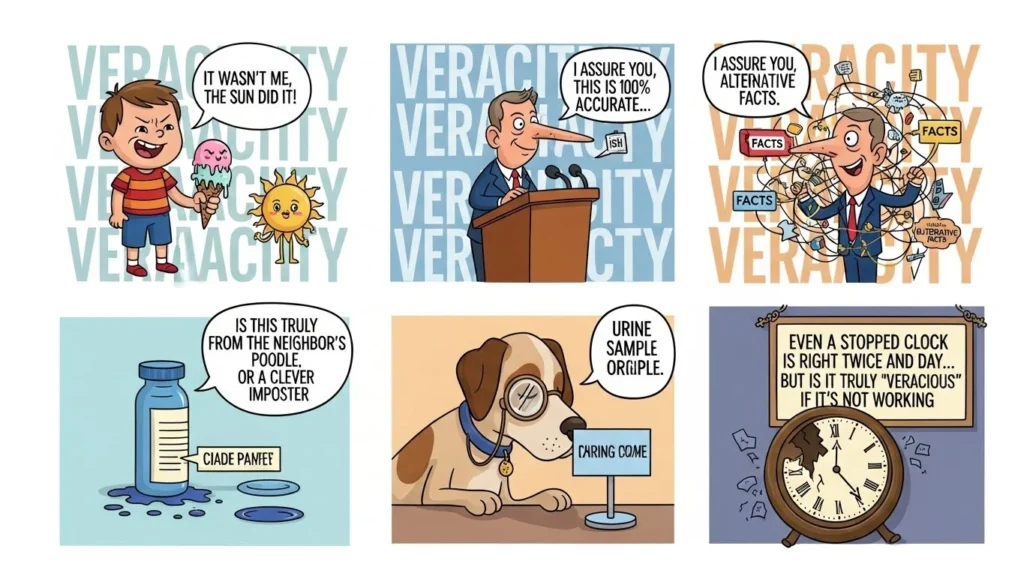
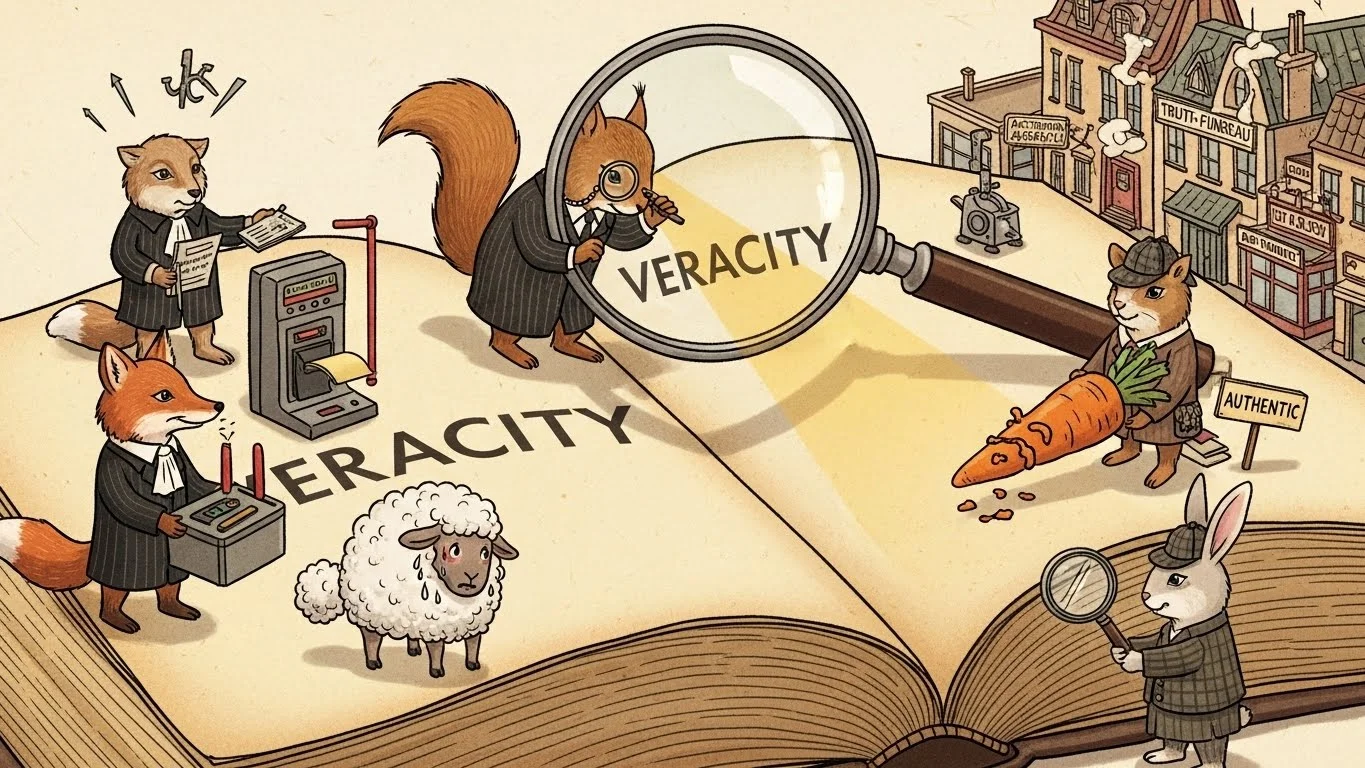
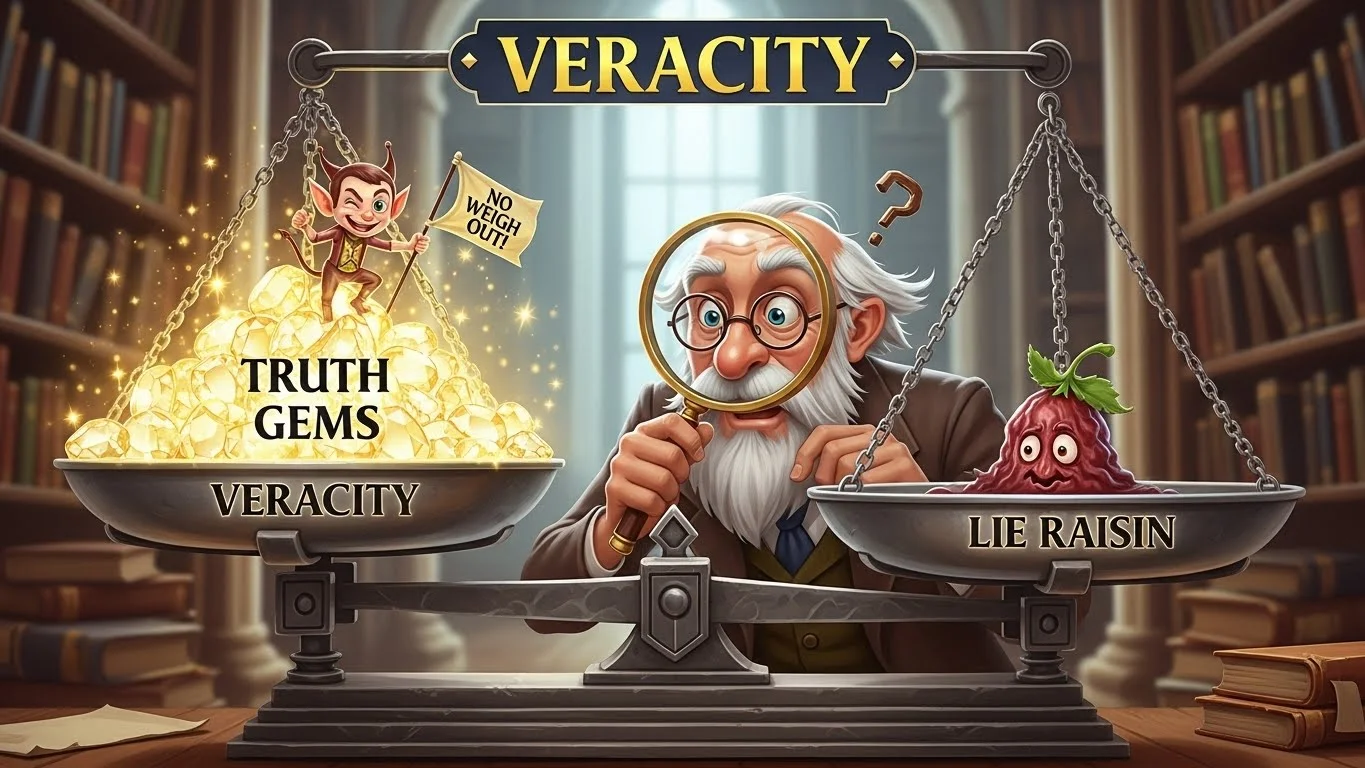
Veracity refers to the quality of being true, accurate, or honest. It describes how truthful a statement, claim, or person is.
Veracity Meaning in Simple Terms
In simple words, veracity means truthfulness. If someone has veracity, they stick to the truth and avoid lies or exaggeration.
Veracity in Daily Life
We use veracity in everyday life when we talk about honesty or reliability. For example, checking the veracity of news or information helps avoid misunderstandings.
Veracity in Modern Usage
In modern contexts, veracity is often used in media, social networks, and research. People discuss the veracity of online content, scientific studies, or public statements.
Veracity vs Truth
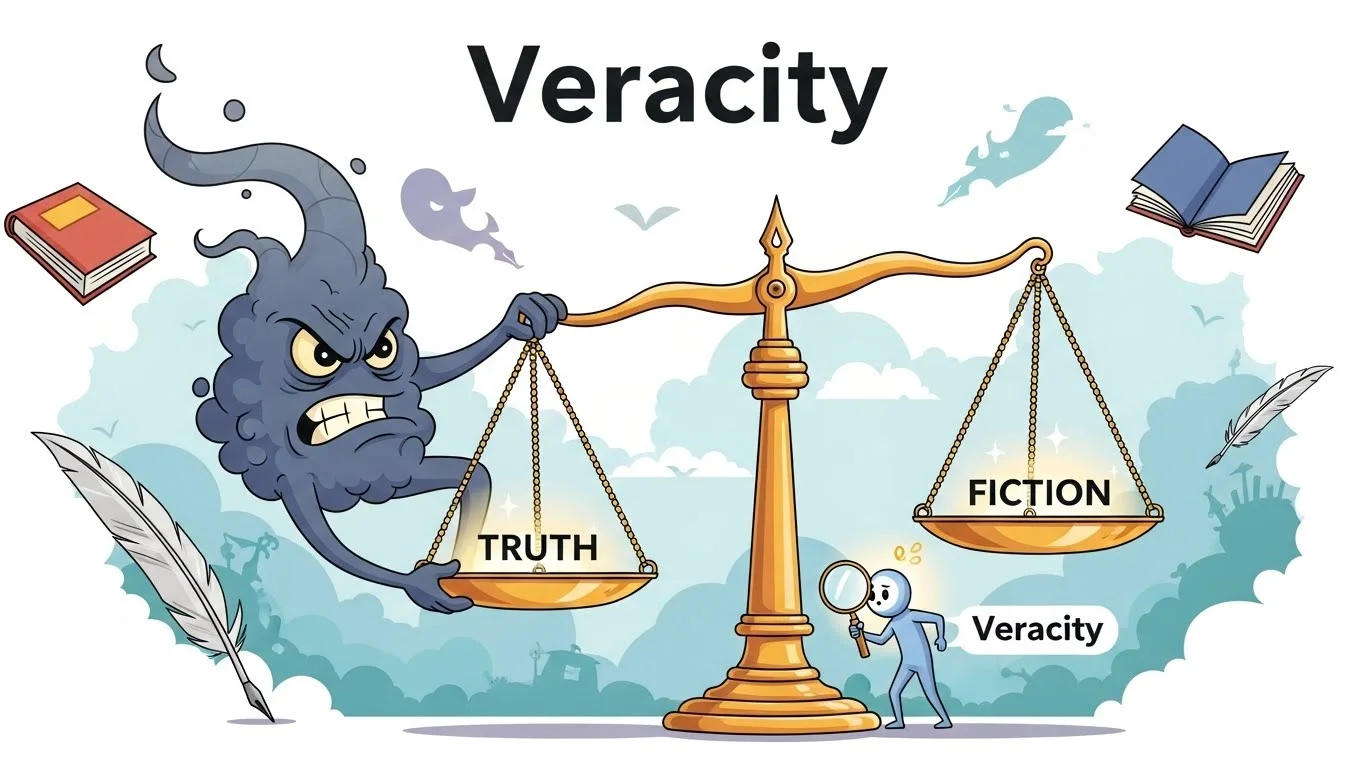
While “truth” is the concept itself, veracity refers to the accuracy and reliability of that truth. Truth is broad; veracity is about proof and correctness.
Veracity in Legal Contexts
In law, veracity is critical. Witnesses and testimonies must have veracity, meaning their statements are accurate and truthful.
Veracity in Journalism
Journalists are expected to maintain veracity. Reporting with veracity ensures the public receives correct and honest information.
Veracity in Science and Research
Scientific studies require veracity. Data and findings must reflect reality and be free from manipulation to be trustworthy.
Common Misunderstandings About Veracity
Some people confuse veracity with honesty in general. Veracity is specifically about the truthfulness of statements, not moral character or kindness.
Veracity vs Accuracy
Accuracy measures how correct something is. Veracity measures the truthfulness behind the information. Both are related but not the same.
Signs of Veracity in Statements
Statements with veracity are supported by evidence, facts, and consistent information. They are clear and verifiable.
How to Verify Veracity
To check veracity, cross-check facts, consult reliable sources, and look for evidence supporting the statement.
Veracity in Communication
Maintaining veracity in communication builds trust. People rely on truthful statements to make decisions.
Veracity in Social Media
Social media often challenges veracity. Fake news or rumors spread quickly, so evaluating veracity is essential before sharing information.
Veracity in Education
Teachers and students focus on veracity when discussing research, essays, or academic sources. Reliable information depends on it.
Veracity in Business
Businesses value veracity in marketing and reporting. Honest claims maintain credibility and avoid legal issues.
Veracity in Everyday Relationships
Veracity helps maintain trust in personal relationships. Being truthful strengthens bonds and reduces conflicts.
Veracity and Reputation
A person known for veracity has a strong reputation for honesty and reliability, making them trustworthy in personal and professional life.
Tips to Improve Your Veracity
Always fact-check before sharing information
Avoid exaggeration or misleading statements
Practice honesty in communication
Use credible sources
Veracity in Literature
Authors often explore veracity through characters and plots, highlighting the importance of truth in human behavior and society.
Why Understanding Veracity Matters
Knowing veracity helps you evaluate information critically, communicate clearly, and build trust in personal and professional life.