
Amaterasu Meaning in Simple Terms
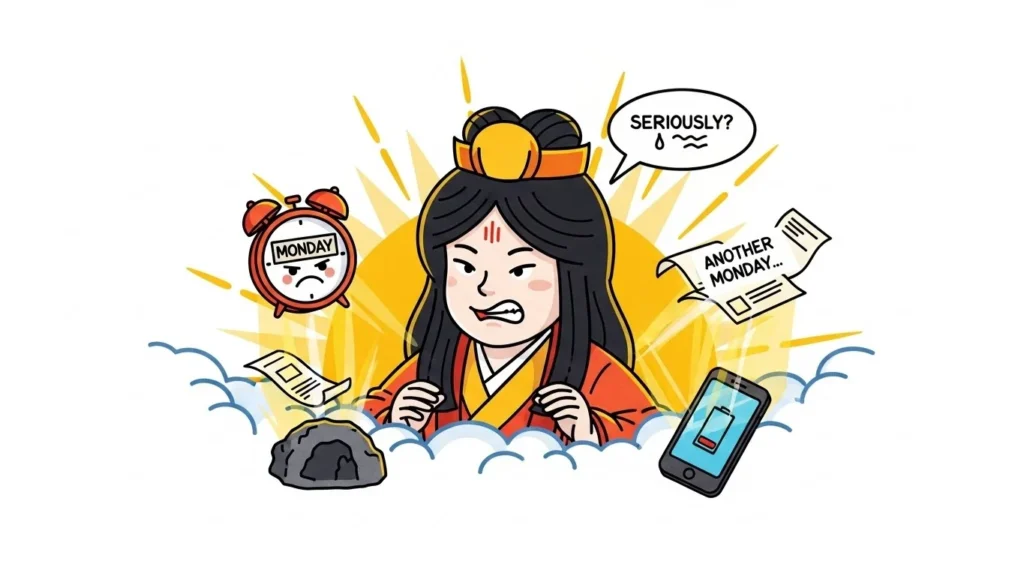
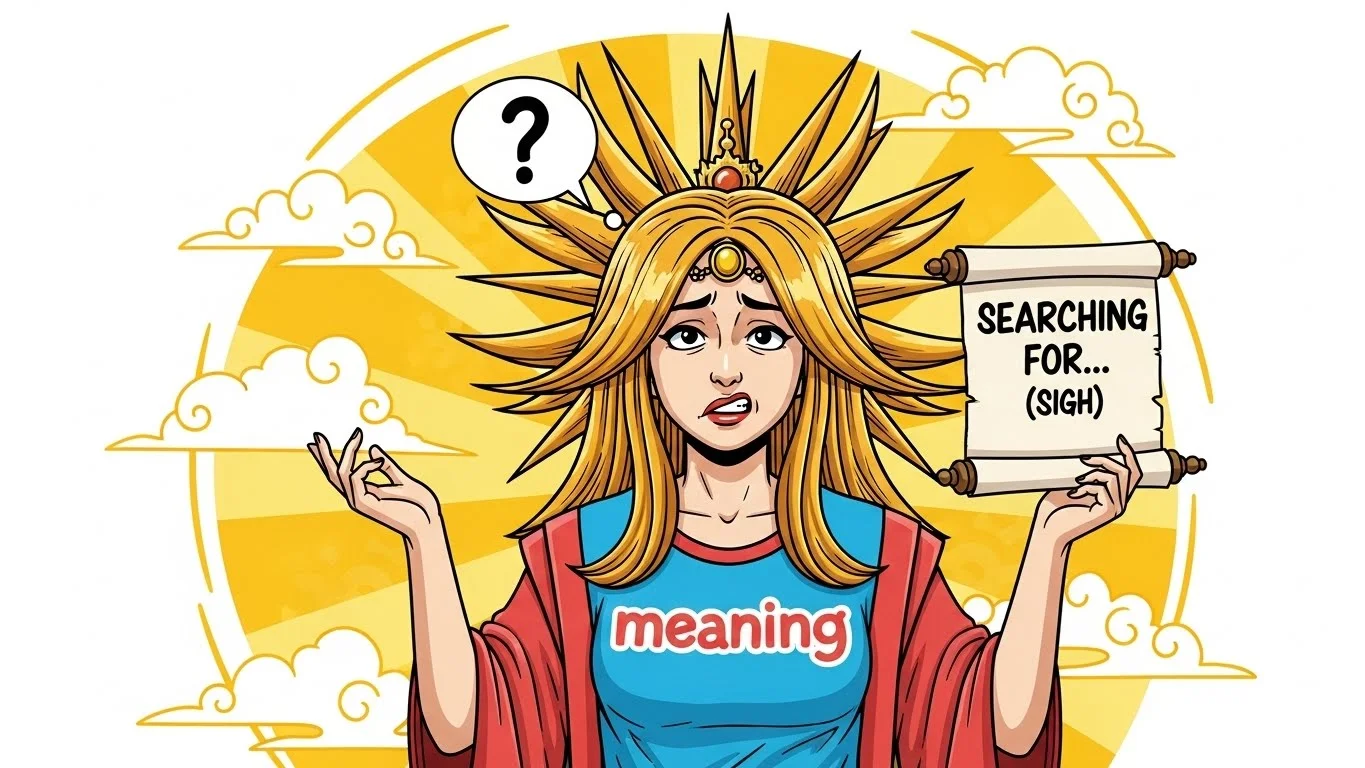
In simple terms, Amaterasu means “the goddess of the sun” in Japanese mythology. She represents light, life, order, and divine authority.
Amaterasu is considered one of the most important deities in Japan and symbolizes brightness, truth, and balance.
Origin of the Name Amaterasu
The name Amaterasu comes from Japanese words that roughly mean “shining in heaven.” It reflects her role as the sun that illuminates the world.
This origin highlights that the Amaterasu meaning is closely tied to light, clarity, and cosmic order.
Amaterasu Meaning in Japanese Mythology
In Japanese mythology, Amaterasu is the sun goddess and ruler of the heavens. She is one of the central figures in the Shinto belief system.
The Amaterasu meaning here represents divine leadership, life-giving energy, and harmony between heaven and earth.
Amaterasu as the Sun Goddess
As the sun goddess, Amaterasu controls daylight and warmth. Without her light, the world falls into darkness and chaos.
This role reinforces the Amaterasu meaning as a symbol of life, growth, and renewal.
Amaterasu Meaning and Light Symbolism
Light is the core symbol associated with Amaterasu. It represents truth, wisdom, and visibility.
The Amaterasu meaning often reflects bringing clarity to darkness, both literally and spiritually.
Amaterasu Meaning in Shinto Beliefs
In Shinto, Amaterasu is a sacred deity worshipped at major shrines, especially the Ise Grand Shrine.
Her meaning in Shinto emphasizes purity, balance, and divine protection over the Japanese people.
Amaterasu and the Imperial Family Meaning
Amaterasu is believed to be the ancestor of Japan’s imperial family. This belief gives her immense cultural and political importance.
The Amaterasu meaning here is linked to legitimacy, authority, and national identity.
Amaterasu Meaning and Feminine Power
Amaterasu represents strong feminine divinity. She is powerful, independent, and central to cosmic order.
This aspect of the Amaterasu meaning highlights leadership, dignity, and strength without aggression.
The Cave Myth and Amaterasu Meaning
One famous myth tells of Amaterasu hiding in a cave after a conflict, plunging the world into darkness.
When she emerges, light returns. This story adds to the Amaterasu meaning of withdrawal, reflection, and renewal.
Amaterasu Meaning as Balance and Harmony
Amaterasu symbolizes balance between emotion and responsibility. Her actions affect the entire world.
This meaning reflects the idea that personal behavior has collective consequences.
Amaterasu Meaning in Spiritual Contexts
Spiritually, Amaterasu represents enlightenment, awareness, and inner light.
People may interpret the Amaterasu meaning as awakening, truth-seeking, or spiritual clarity.
Amaterasu Meaning in Modern Culture
In modern times, Amaterasu appears in anime, manga, video games, and literature. She often symbolizes power, purity, or ultimate authority.
Even in fictional settings, the Amaterasu meaning remains connected to light and supremacy.
Amaterasu Meaning in Anime and Gaming
In anime and games, Amaterasu may appear as a character, ability, or reference tied to fire, sunlight, or divine power.
This usage keeps the Amaterasu meaning relevant and recognizable to younger audiences.
Amaterasu Meaning Compared to Other Sun Deities
Amaterasu can be compared to other sun gods like Ra or Apollo. Like them, she represents life and order.
What makes the Amaterasu meaning unique is her strong association with leadership, purity, and national identity.
Common Misunderstandings About Amaterasu
A common misunderstanding is that Amaterasu is just a mythological character. In reality, she is still worshipped in Shinto.
Another mistake is viewing her only as a warrior figure, ignoring her role as a life-giver and ruler.
Amaterasu Meaning and Morality
Amaterasu represents moral order and responsibility. Her presence ensures balance in the universe.
This adds a deeper ethical layer to the Amaterasu meaning beyond light and power.
Amaterasu Meaning in Daily Life Symbolism
Some people use Amaterasu symbolically to represent positivity, guidance, or hope.
In this sense, the Amaterasu meaning becomes a metaphor for light during dark times.

Is Amaterasu a Goddess or a Symbol?
Amaterasu is both a goddess and a symbol. Historically, she is a divine figure; symbolically, she represents light and authority.
This dual role expands the Amaterasu meaning beyond religion.
Why Amaterasu Meaning Still Matters Today
Amaterasu continues to matter because themes of light, balance, and responsibility remain timeless.
Her meaning still resonates in culture, spirituality, and storytelling worldwide.