


What Does Analgesic Mean?
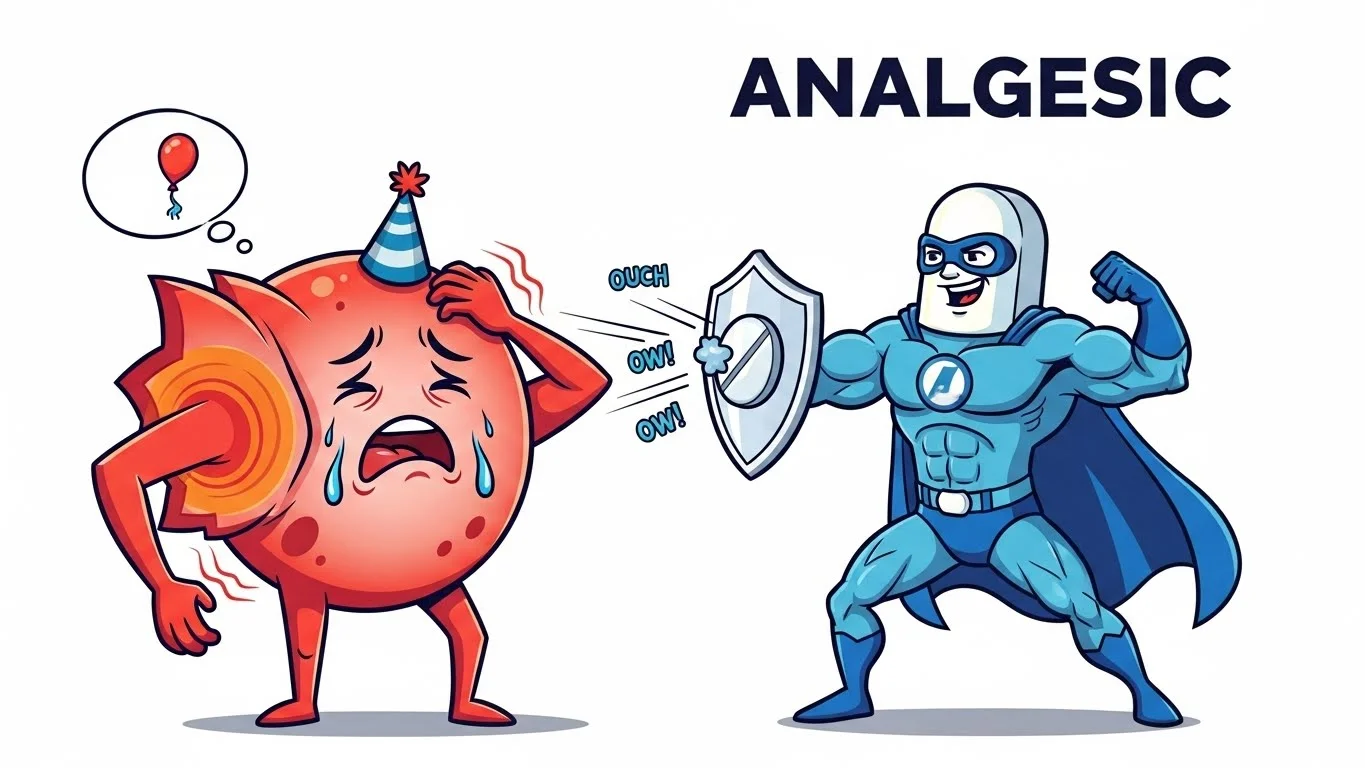
The word analgesic refers to a substance or medicine that relieves pain. It does not cure the cause of the pain, but it helps reduce or remove the feeling of pain itself.
In short, the analgesic meaning is: a pain-relieving medicine.
The Simple Definition of Analgesic
An analgesic is any drug or treatment used to reduce pain without causing loss of consciousness. Most people know analgesics as “painkillers.”
Common situations where analgesics are used include headaches, toothaches, muscle pain, and injuries.
Analgesic Meaning in Everyday Language
In daily life, people rarely say “analgesic.” Instead, they say:
Painkiller
Pain relief medicine
Something for pain
All of these usually point to the same idea: an analgesic.
Analgesic Meaning in Medical Terms
In medicine, analgesics are officially defined as drugs that block pain signals or reduce the brain’s awareness of pain. Doctors use the term to classify medications used for pain management.
Medical professionals often group analgesics by strength and how they work.
Why Analgesics Are Used
Analgesics are used to:
Reduce discomfort
Improve daily functioning
Help recovery after injury or surgery
Manage chronic pain conditions
They are meant to improve quality of life, not necessarily fix the underlying problem.
Common Examples of Analgesics
Well-known analgesics include:
Paracetamol (acetaminophen)
Ibuprofen
Aspirin
Naproxen
These are often available without a prescription and used worldwide.
Types of Analgesics Explained Simply
There are three main types of analgesics:
Non-opioid analgesics
Opioid analgesics
Adjuvant analgesics
Each type works differently and is used for different levels of pain.
Non-Opioid Analgesics Meaning
Non-opioid analgesics treat mild to moderate pain. They are commonly used for headaches, fever, and muscle aches.
Examples include paracetamol and anti-inflammatory drugs like ibuprofen.
Opioid Analgesics Meaning
Opioid analgesics are stronger pain relievers used for severe pain. They affect the brain and nervous system directly.
These medicines are usually prescribed by doctors and closely monitored.
Analgesic vs Anti-Inflammatory
All anti-inflammatory drugs can act as analgesics, but not all analgesics reduce inflammation.
For example:
Paracetamol relieves pain but does not reduce swelling
Ibuprofen relieves pain and reduces inflammation
Analgesic vs Anesthetic
An analgesic reduces pain but keeps you awake and aware.
An anesthetic blocks all sensation and may cause loss of feeling or consciousness.
This difference is important in medical treatments and surgeries.
How Analgesics Work in the Body
Analgesics work by:
Blocking pain signals
Reducing inflammation
Changing how the brain processes pain
Different analgesics use different methods to achieve pain relief.
Analgesic Meaning in Pharmacy
In pharmacies, analgesics are categorized by strength, safety, and usage. Some are over-the-counter, while others require prescriptions.
Pharmacists help ensure the correct analgesic is used for the right type of pain.
Analgesic Meaning in Prescriptions
When doctors prescribe an analgesic, they consider:
Pain severity
Patient age
Medical history
Possible side effects
The goal is effective pain relief with minimal risk.
Common Misunderstandings About Analgesics
Many people think analgesics:
Cure pain causes (they don’t)
Are always safe in large amounts (they aren’t)
Are all the same (they’re not)
Understanding these limits is essential for safe use.
Is an Analgesic the Same as a Painkiller?
Yes, in most cases. “Painkiller” is an informal term, while “analgesic” is the formal medical word.
They both describe substances used to relieve pain.
Analgesic Meaning in Modern Healthcare
Today, analgesics are part of balanced pain management plans. Doctors often combine medicine, therapy, and lifestyle changes instead of relying on one drug.
This approach improves safety and long-term results.

When Analgesics Should Be Used Carefully
Analgesics should be used carefully when:
Taken long-term
Mixed with other medications
Used without medical advice
Incorrect use can reduce effectiveness or cause side effects.
Why Understanding Analgesic Meaning Matters
Knowing the analgesic meaning helps you:
Read medicine labels correctly
Communicate better with healthcare providers
Make safer health decisions
Clear understanding leads to better outcomes.