
What Does Bossa Nova Mean in Simple Terms
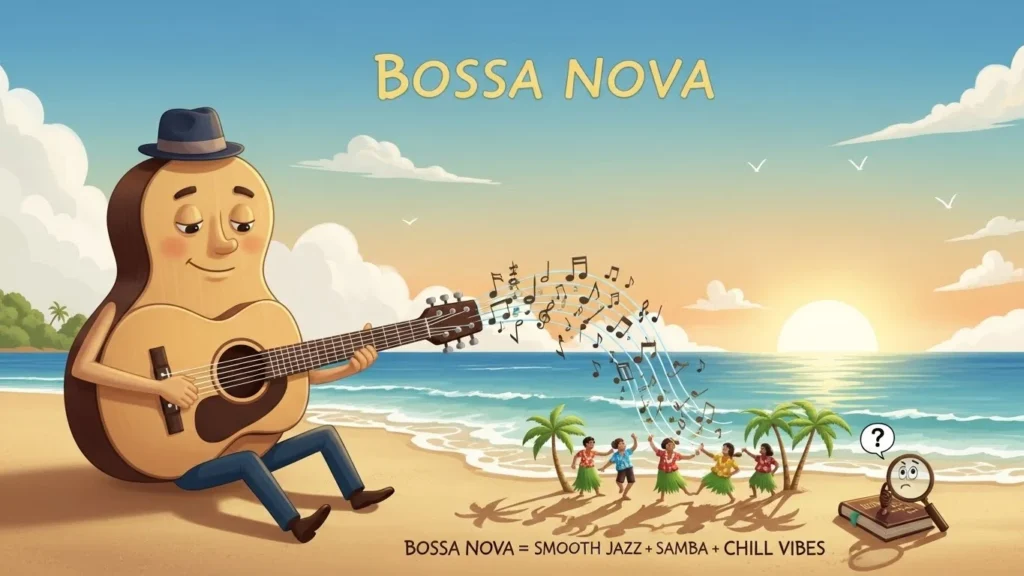
Bossa nova means a smooth, relaxed style of Brazilian music that blends samba rhythms with jazz influences.
The Basic Definition of Bossa Nova
Bossa nova is a music genre that originated in Brazil in the late 1950s, known for its soft vocals, gentle guitar rhythms, and calm mood.
Origin of the Term Bossa Nova
The phrase comes from Brazilian Portuguese. “Bossa” loosely means style or flair, and “nova” means new, together meaning “new style.”
Where Bossa Nova Came From
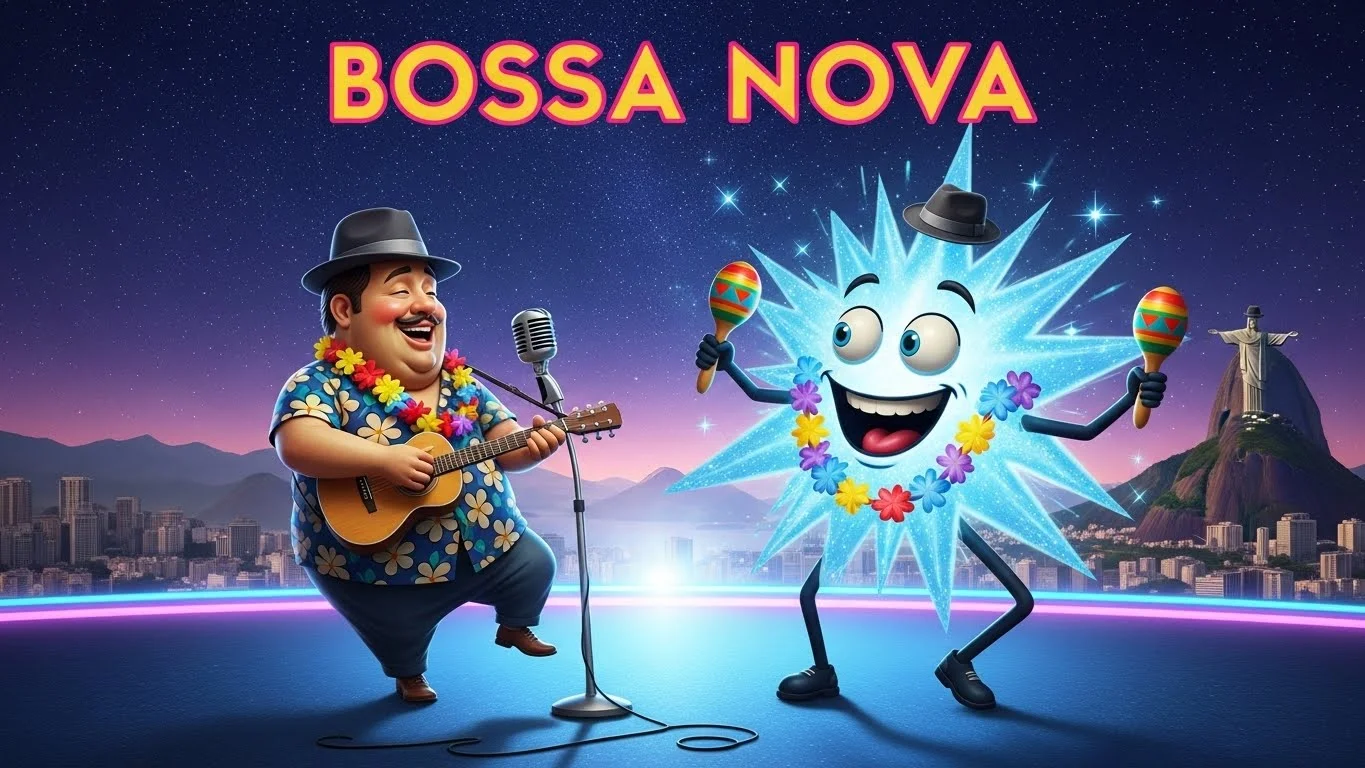
Bossa nova developed in Rio de Janeiro among young musicians looking to create a modern sound inspired by samba and American jazz.
Bossa Nova and Brazilian Culture
Bossa nova reflects urban Brazilian life, especially beach culture, romance, and relaxed social moments.
Musical Style of Bossa Nova
The music is usually soft, slow to medium tempo, and rhythmically complex but calm.
Instruments Commonly Used in Bossa Nova
Typical instruments include acoustic guitar, piano, light percussion, bass, and sometimes saxophone or flute.
Bossa Nova vs Samba
Samba is more energetic and dance-focused, while bossa nova is softer, slower, and more intimate.
Bossa Nova vs Jazz
Bossa nova borrows harmony from jazz but keeps Brazilian rhythm at its core.
Vocal Style in Bossa Nova
Vocals in bossa nova are usually gentle, quiet, and conversational rather than powerful.
Famous Bossa Nova Musicians
Artists like João Gilberto, Antônio Carlos Jobim, and Astrud Gilberto helped popularize the genre worldwide.
Bossa Nova in International Music
Bossa nova gained global popularity in the 1960s and influenced musicians around the world.
Bossa Nova in Films and Media
The genre is often used in films and advertisements to create a calm, romantic, or elegant mood.
Bossa Nova in Modern Music
Modern artists still use bossa nova elements in pop, jazz, and lounge music.
Bossa Nova as Background Music
Because of its soothing sound, bossa nova is often used in cafés, hotels, and relaxed settings.
Common Misunderstandings About Bossa Nova
Some think bossa nova is just slow samba, but it is a distinct genre with its own style.
Is Bossa Nova Dance Music
It can be danced to, but it is more commonly enjoyed as listening music.
Bossa Nova Lyrics and Themes
Lyrics often focus on love, nature, daily life, and quiet emotional moments.
Why Bossa Nova Sounds Relaxing
Its soft rhythm, gentle vocals, and smooth harmonies create a calming effect.
Importance of Context for Bossa Nova Meaning
Understanding its cultural and musical background helps listeners appreciate it fully.