
What is Coercion?
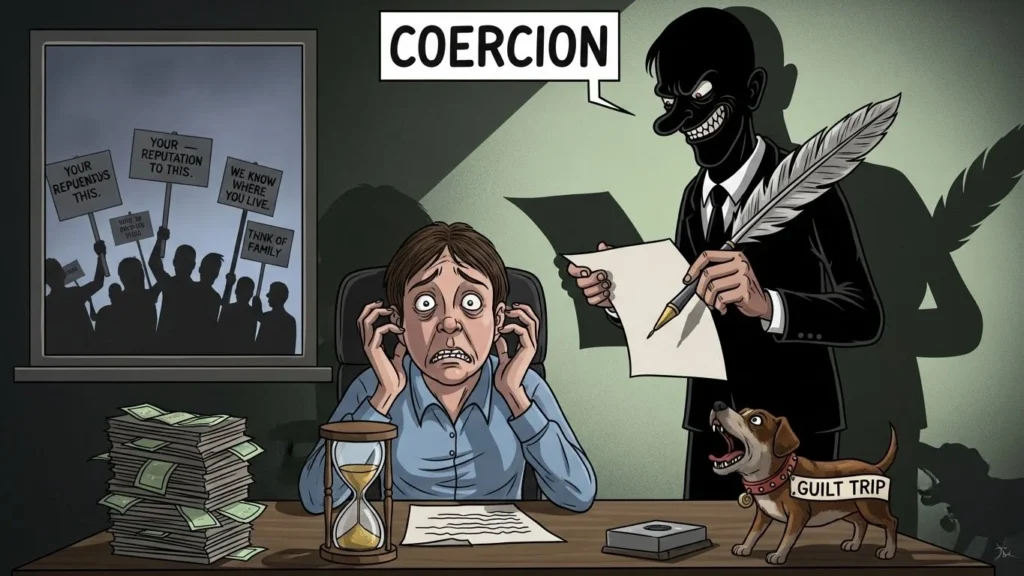
Coercion refers to forcing or pressuring someone to do something against their will, often using threats, intimidation, or manipulation. It can be direct, like a threat, or indirect, like emotional pressure.
Coercion in Daily Life
In daily life, coercion can happen in relationships, workplaces, or social situations. For example, someone might feel pressured to lend money to a friend because of guilt or threats.
Coercion in Law
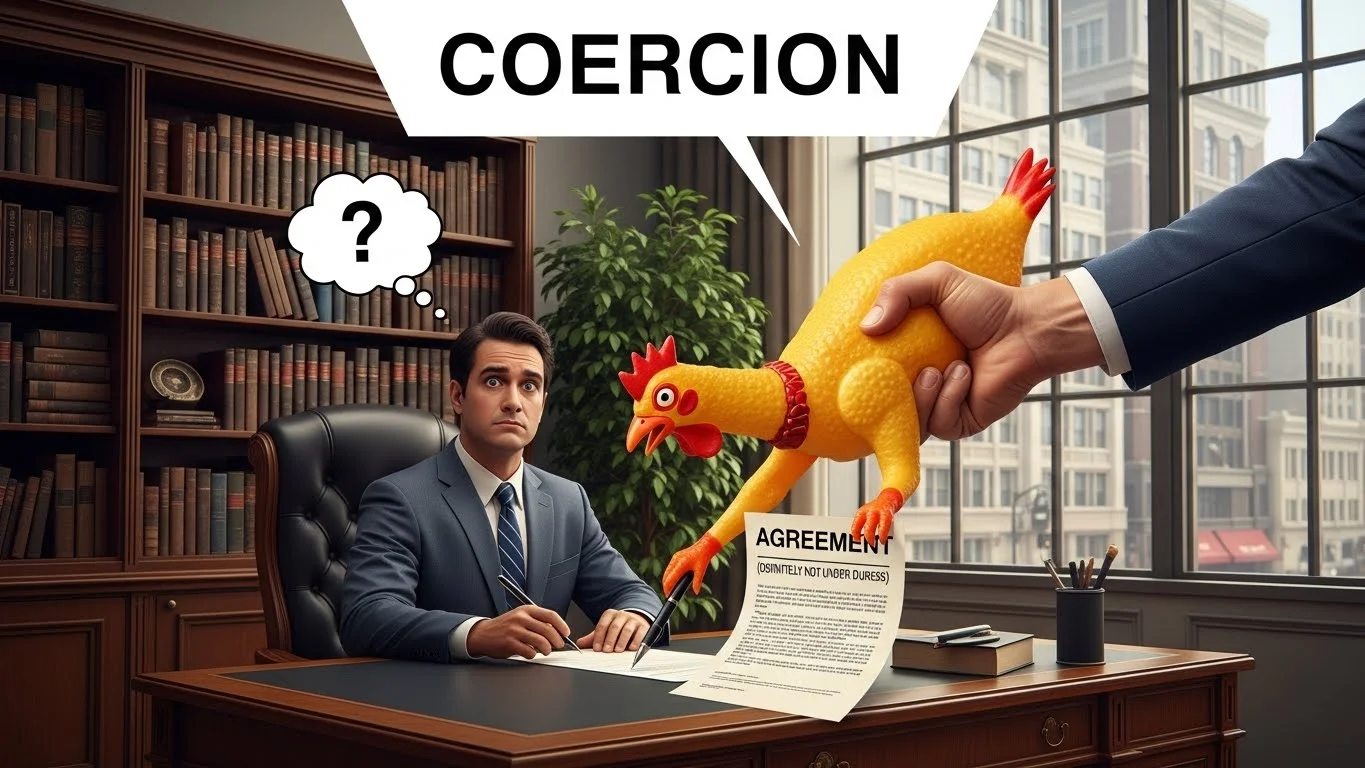
Legally, coercion is recognized as an act that violates free will. It can make contracts void or be a factor in criminal cases such as blackmail or assault.
Psychological Coercion
Psychological coercion involves influencing someone through fear, manipulation, or emotional control. It often leaves no visible signs but can have lasting mental effects.
Physical Coercion
This type of coercion involves physical force or threats of harm to make someone act in a certain way. It is often considered a criminal offense.
Coercion vs. Persuasion
Persuasion is convincing someone voluntarily, while coercion involves pressure, fear, or threats. The difference lies in whether the person has free choice.
Coercion in the Workplace
Workplace coercion can include bullying, threats of demotion, or forcing employees to work under unfair conditions. Recognizing it is important for employee rights.
Coercion in Relationships
Coercion in personal relationships may involve emotional manipulation, controlling behavior, or threats, which can be abusive and harmful.
Coercion in Education
Students may face coercion when pressured by peers, teachers, or institutions to perform actions they are uncomfortable with, such as cheating or conforming.
Coercion in Politics
Political coercion can occur when people are pressured to support a candidate or policy through threats, propaganda, or manipulation.
Coercion and Consent
Coercion negates true consent. If someone agrees to something due to fear or pressure, their consent is not considered valid.
Signs of Coercion
Common signs include fear, anxiety, hesitation, reluctance to speak openly, or making decisions reluctantly. Recognizing these signs can prevent abuse.

Coercion in Contracts
If someone signs a contract under coercion, it may be considered legally invalid because the agreement was not made freely.
Coercion in Modern Technology
Online coercion includes cyberbullying, threats via social media, or manipulation through fake messages, often targeting vulnerable individuals.
Coercion Misunderstandings
Many people confuse coercion with simple persuasion or peer pressure. Coercion always involves a lack of free choice and often a threat or pressure.
Examples of Coercion
Threatening to reveal private information unless someone pays
Forcing someone to work overtime under threat of firing
Using emotional manipulation to make someone agree to something
Coercion in Literature and Media
Books, movies, and news often depict coercion to highlight conflict, power struggles, or abusive relationships. Understanding it helps analyze these stories critically.
Effects of Coercion
Coercion can lead to stress, anxiety, loss of self-confidence, legal problems, or trauma. Awareness is key to protecting oneself.
How to Handle Coercion
Recognize the signs
Seek help from authorities or trusted people
Document threats or pressure
Avoid making decisions under fear

Legal Remedies Against Coercion
Depending on the situation, legal remedies may include filing complaints, reporting threats, or challenging coerced contracts in court.
Preventing Coercion
Education, awareness, and assertiveness training can reduce the risk of coercion. Organizations and schools often have policies to protect people.