
Understanding DEI: Diversity, Equity, and Inclusion
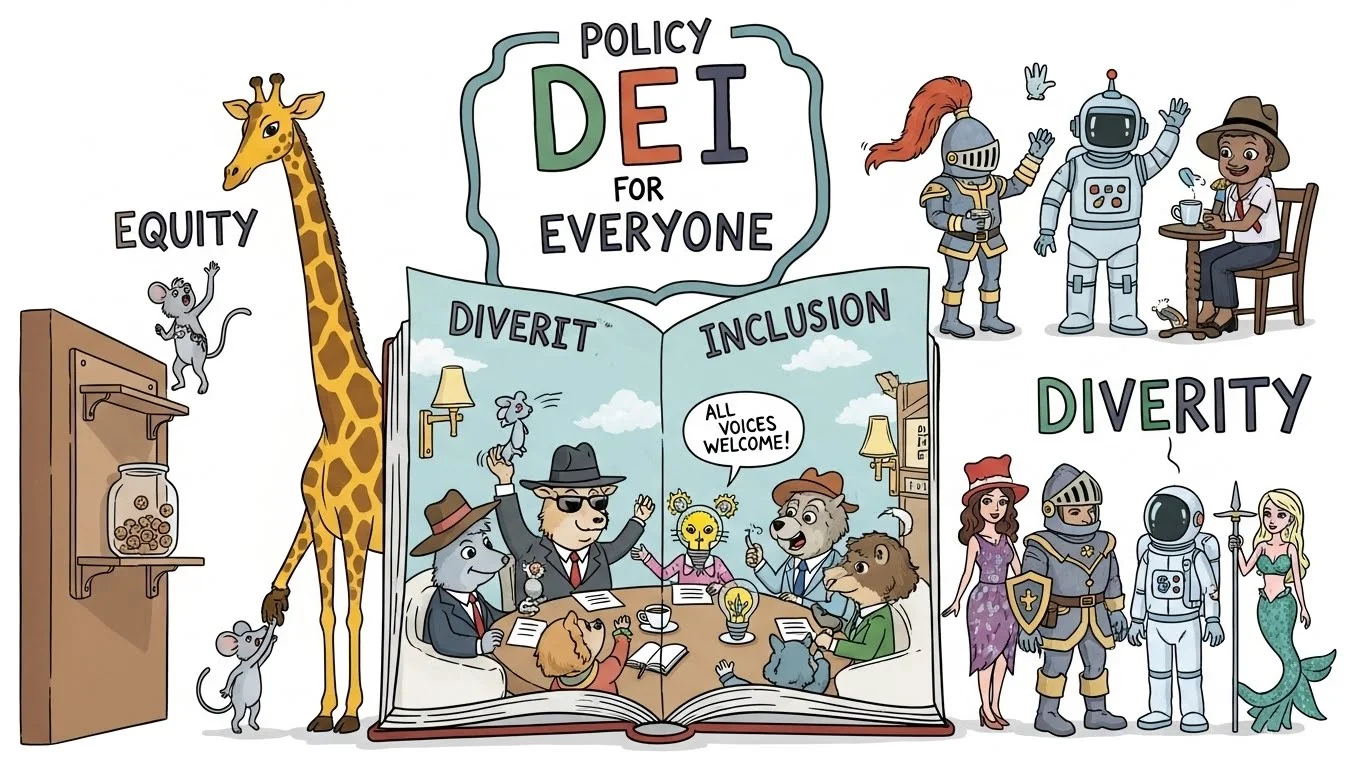
Diversity refers to the presence of different identities, backgrounds, and perspectives in a group. This can include race, gender, age, abilities, culture, and more. A DEI policy encourages organizations to recognize and value these differences.
The Meaning of DEI Policy in the Workplace
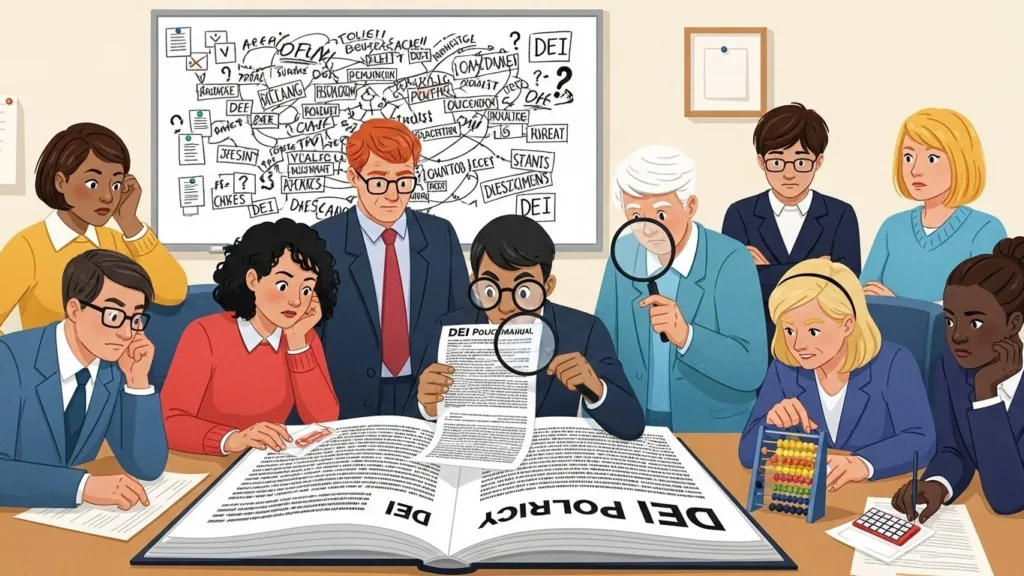
A DEI policy is a set of rules and practices that guides an organization in promoting diversity, ensuring equity, and fostering inclusion. It helps create fair opportunities for all employees.
Why DEI Policies Are Important
DEI policies improve employee satisfaction, encourage innovation, and reduce workplace discrimination. They ensure that everyone has equal access to opportunities and resources.
Key Goals of a DEI Policy
The main goals are to increase representation, promote fairness, eliminate bias, and create an inclusive environment where all employees feel respected.
DEI Policy in Simple Terms
Simply put, a DEI policy is a plan to treat everyone fairly, celebrate differences, and make sure no one is left out because of their identity.
DEI Policy in Daily Life
Beyond the office, DEI policies influence hiring practices, promotions, team collaborations, and even company events. They guide everyday decisions that impact fairness and inclusion.
Modern Usage of DEI Policies
Today, DEI policies are part of corporate culture, influencing recruitment, training, employee support programs, and corporate social responsibility initiatives.
Common Misunderstandings About DEI Policies
Some people think DEI policies are only about hiring quotas or political correctness. In reality, they focus on fairness, equal opportunity, and valuing all voices.
Legal Implications of DEI Policies
Many countries encourage or require companies to follow anti-discrimination laws. A DEI policy helps organizations comply with these legal standards.

How DEI Policies Support Employee Growth
By fostering inclusion and equity, DEI policies allow employees from diverse backgrounds to thrive, contributing their unique skills and perspectives.
Role of Leadership in DEI Policies
Leaders set the tone for DEI by modeling inclusive behavior, addressing bias, and supporting programs that promote diversity and equity.
DEI Policy and Company Culture
A strong DEI policy shapes a positive company culture, making workplaces more collaborative, welcoming, and innovative.
Measuring DEI Success
Organizations measure DEI success through employee surveys, diversity metrics, retention rates, and feedback from underrepresented groups.
Challenges in Implementing DEI Policies
Some challenges include resistance to change, unconscious bias, and misunderstanding the goals of DEI initiatives.
Benefits of a Well-Implemented DEI Policy
Benefits include increased creativity, better problem-solving, improved employee morale, and stronger public reputation.
DEI Policy in Remote Work
Remote workplaces still need DEI policies to ensure equal opportunities for all employees, regardless of location or work style.
DEI Policy for Small Businesses
Even small businesses can adopt DEI policies to create inclusive workplaces and attract diverse talent.
DEI Policy and Employee Training
Training programs help employees understand the importance of diversity, equity, and inclusion, and how to apply these principles daily.
DEI Policy in Recruitment
DEI policies guide fair recruitment practices, ensuring job postings, interviews, and hiring decisions are unbiased.
Updating DEI Policies
Organizations should regularly review and update DEI policies to reflect changes in society, law, and workforce needs.
Global Perspective on DEI Policies
DEI policies are gaining attention worldwide, with companies across countries adopting strategies to create inclusive work environments.