What Does Discordant Mean?
At its core, discordant means not in harmony, not agreeing, or clashing. It describes things that do not fit together smoothly, whether they are sounds, ideas, emotions, or information.
The Basic Dictionary Meaning of Discordant
In simple terms, the discordant meaning refers to something that feels unpleasant, inconsistent, or conflicting. It often implies a lack of balance or unity.
Example:
A loud argument in a quiet room can feel discordant.
Discordant Meaning in Simple Words
In everyday language, discordant means “things that don’t match well.” If something feels out of place or creates tension, it can be described as discordant.
Discordant vs Harmonious Explained
Harmonious: things work well together
Discordant: things clash or conflict
These two words are opposites and are often used to describe music, relationships, or ideas.
Discordant Meaning in Music
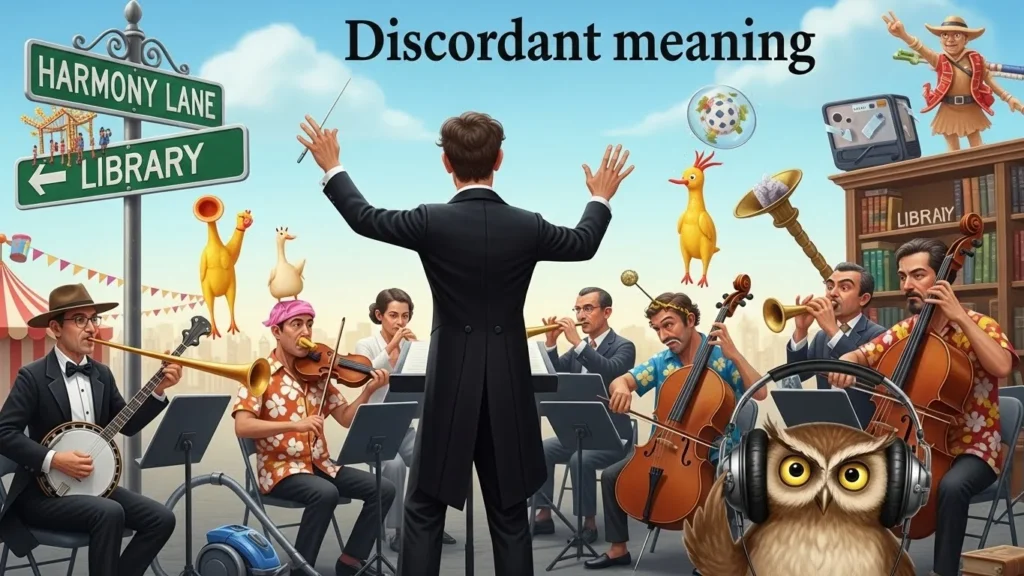
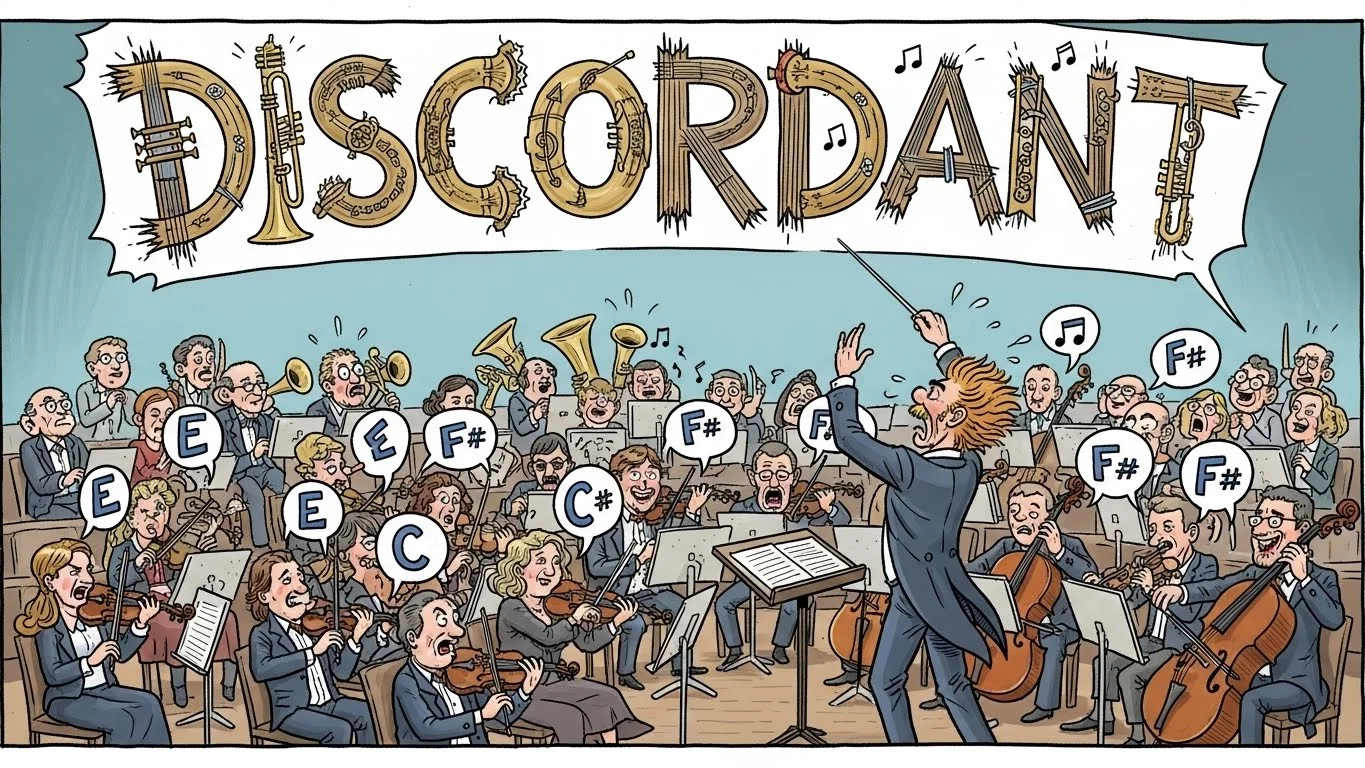
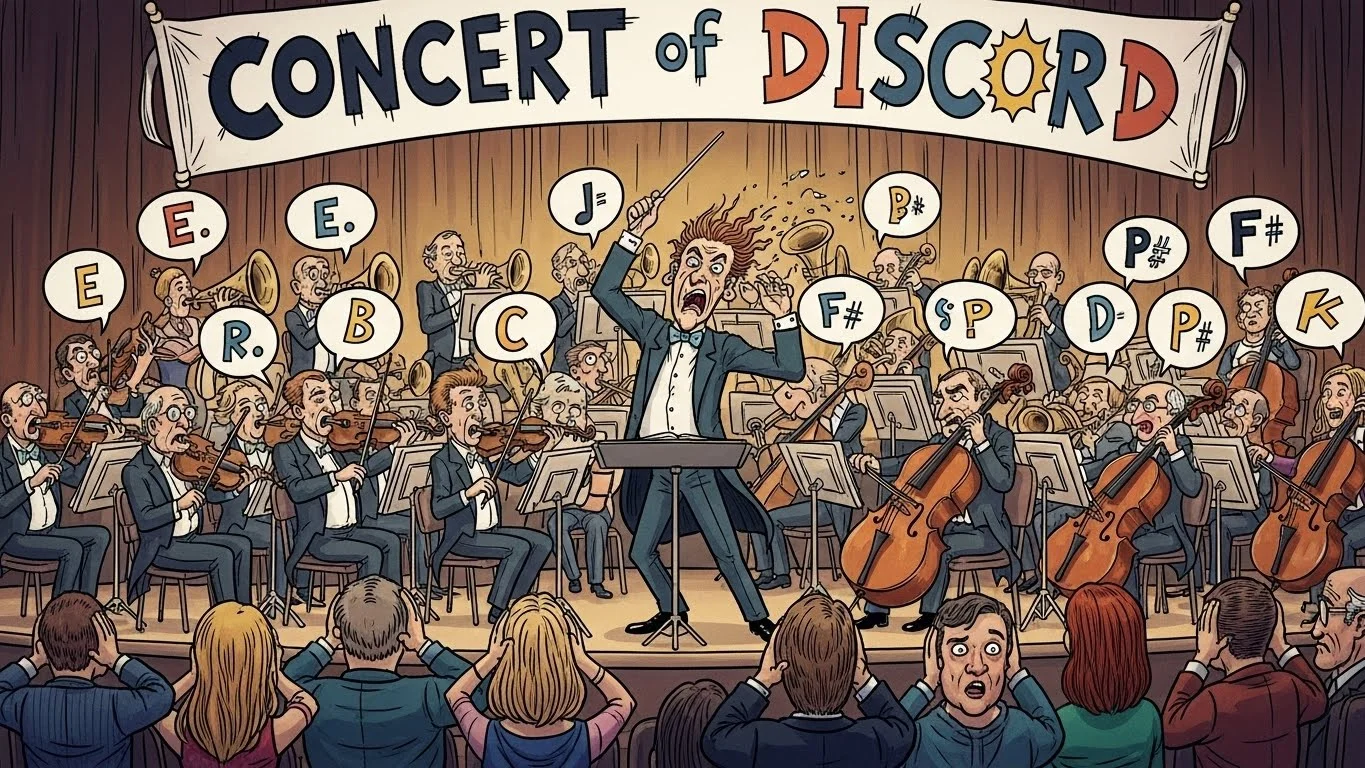
In music, discordant describes sounds or notes that clash rather than blend smoothly. Discordant music can feel tense, sharp, or uncomfortable to the listener.
Why Discordant Music Exists
Discordant sounds are not always bad. Composers use them to:
Create tension
Express emotion
Signal conflict or drama
Make music more expressive
Discordant Meaning in Daily Life
Outside music, discordant can describe situations where things don’t align well.
Example:
His cheerful attitude felt discordant at the serious meeting.
Discordant Meaning in Emotions
Emotions can be discordant when they conflict with each other or with a situation.
Example:
Laughing at a sad event may feel emotionally discordant.
Discordant Meaning in Conversations
In speech or discussion, discordant refers to opinions or statements that strongly disagree.
Example:
Her comments were discordant with the group’s shared values.
Discordant Meaning in Writing and Literature
Writers use discordant elements to create contrast, tension, or discomfort. This can make stories more realistic or emotionally powerful.
Discordant Meaning in Modern Usage
In modern language, discordant is often used to describe:
Conflicting viewpoints
Clashing aesthetics
Uncomfortable social moments
Inconsistent branding or messaging
Discordant Meaning in Science and Data
In research or data analysis, discordant results are findings that do not match expected patterns or contradict other data.
Discordant vs Dissonant: Are They the Same?
They are similar but not identical.
Discordant: broader meaning, applies to ideas, people, and situations
Dissonant: mainly used for sound and music
Common Misunderstandings About Discordant
Many people think discordant always means “bad.” In reality, it often means intentionally different or contrasting, not necessarily wrong.
Is Discordant Always Negative?
No. Discordant elements can:
Add creativity
Highlight differences
Encourage discussion
Make art more expressive
How to Use Discordant in a Sentence
Examples:
The colors felt discordant together.
His views were discordant with company policy.
The music was intentionally discordant.
Discordant Meaning in Social Situations
In social settings, discordant behavior is actions that don’t match the mood or expectations of the group.
Discordant Meaning in Design and Art
Designers may use discordant colors or shapes to grab attention or challenge norms. This is often done deliberately.
Synonyms That Help Explain Discordant Meaning
Common synonyms include:
Clashing
Conflicting
Inharmonious
Jarring
Unaligned
Antonyms That Clarify Discordant Meaning
Opposite words include:
Harmonious
Balanced
Agreeable
Consistent
Why Understanding Discordant Meaning Matters
Knowing the discordant meaning helps you:
Interpret music and art better
Communicate more clearly
Understand emotional and social dynamics
Use language more accurately