
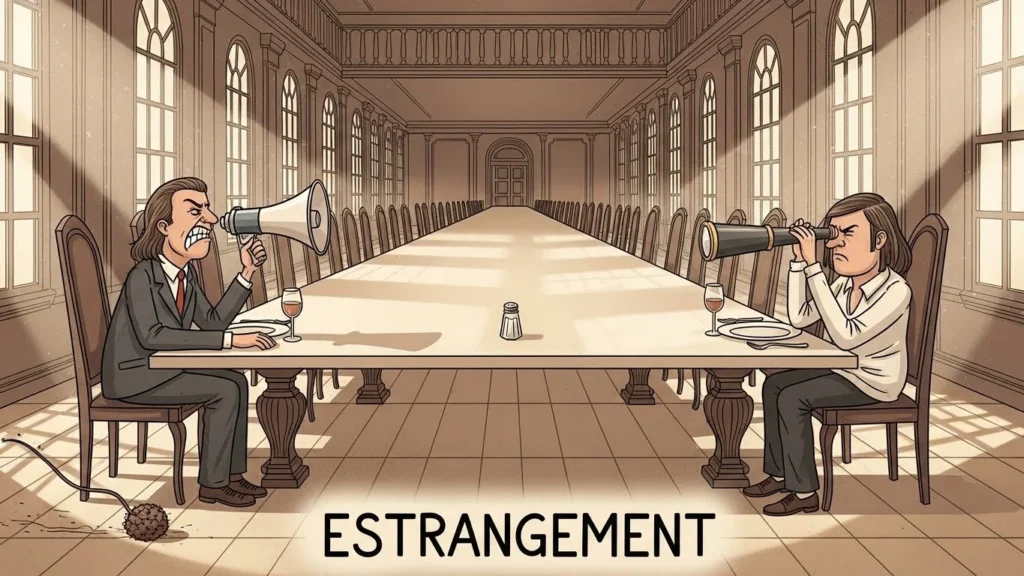

What Does Estrangement Mean?
Estrangement means a situation where people who were once close are no longer emotionally or physically connected. It usually involves distance, separation, or lack of communication over a long period of time. Estrangement can be intentional or happen gradually.
The Basic Definition of Estrangement
At its core, estrangement refers to being separated or disconnected, especially from family members, friends, or a social group. This separation often includes emotional distance, not just physical space.
Estrangement in Simple Terms
In simple words, estrangement means “not being close anymore.” It’s when people stop talking, stop sharing their lives, or stop having a relationship, even though they once did.
How Estrangement Is Used in Everyday Language
In daily conversation, estrangement often describes broken family relationships, such as “He is estranged from his parents.” It signals distance without always explaining the reasons behind it.
Estrangement in Family Relationships
Family estrangement is one of the most common uses of the word. It may involve parents and children, siblings, or extended family members who no longer communicate or interact regularly.
Parent-Child Estrangement Explained
Parent-child estrangement happens when adult children and parents lose contact or intentionally cut ties. This can be temporary or permanent and often involves unresolved conflict, emotional harm, or boundary issues.
Estrangement Between Siblings
Sibling estrangement refers to brothers or sisters who no longer have a relationship. This may stem from childhood conflict, inheritance disputes, or long-term emotional distance.
Estrangement in Romantic Relationships
In romantic contexts, estrangement describes partners who remain legally together or connected but are emotionally distant. This is sometimes seen in marriages that lack communication or intimacy.
Emotional Estrangement vs Physical Estrangement
Emotional estrangement means people feel disconnected even if they still see each other. Physical estrangement means living apart or having no contact at all. Many estranged relationships involve both.
Estrangement vs Separation
Separation often refers to physical distance, such as living apart. Estrangement goes deeper and includes emotional disconnection, resentment, or lack of trust.
Estrangement vs Alienation
Estrangement is usually mutual or develops naturally over time. Alienation often involves one person actively turning another against someone, especially in family or custody situations.
Common Reasons Estrangement Happens
Estrangement can happen due to abuse, neglect, betrayal, unresolved conflict, clashing values, addiction, or mental health struggles. Sometimes it happens slowly without a clear breaking point.
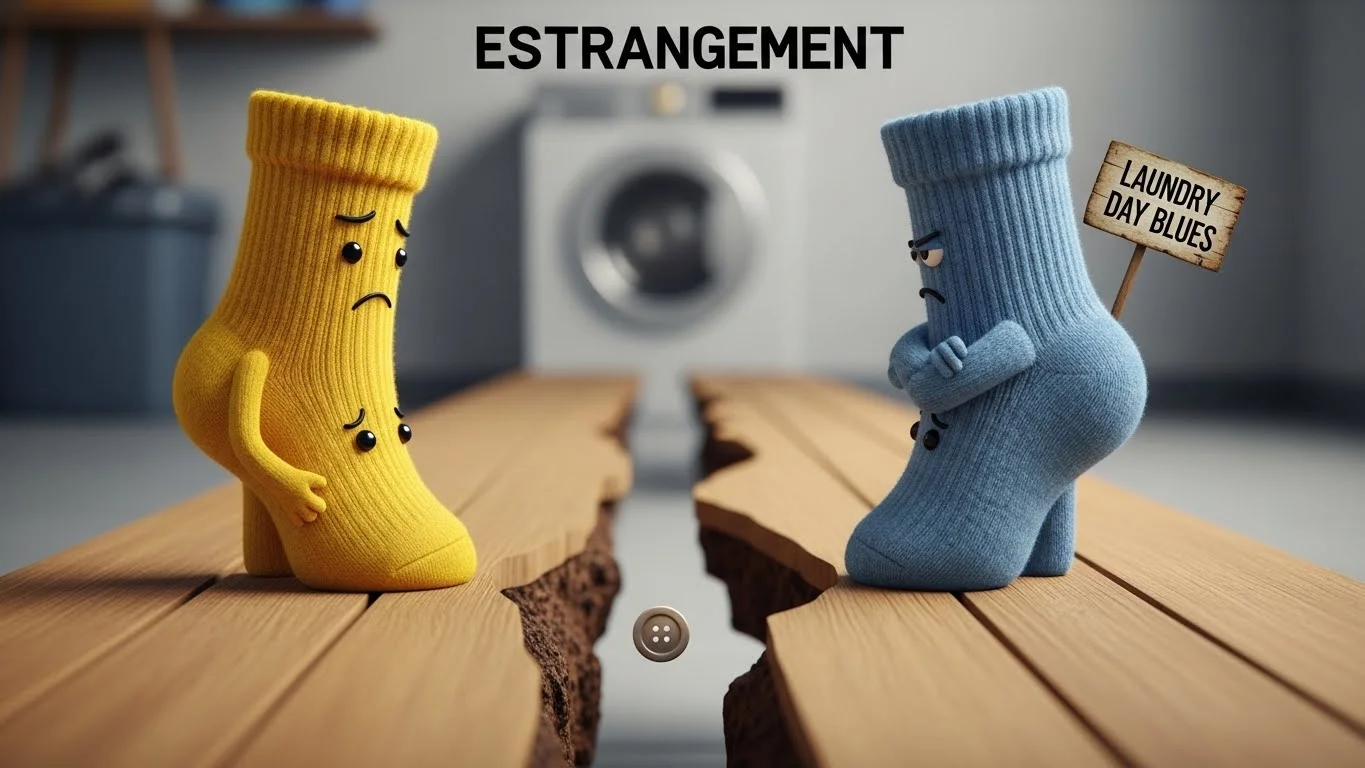
Is Estrangement Always Permanent?
No, estrangement is not always permanent. Some relationships heal through communication, therapy, or life changes. Others remain distant to protect emotional well-being.
Modern Usage of the Word Estrangement
Today, estrangement is discussed more openly, especially regarding mental health and boundaries. Many people now view estrangement as a form of self-protection rather than failure.
Estrangement in Psychology and Mental Health
In psychology, estrangement is seen as a relational breakdown that can impact identity, emotional health, and attachment. It may bring relief, grief, or both at the same time.
Cultural Views on Estrangement
Different cultures view estrangement differently. Some see it as shameful, while others accept it as necessary for personal growth and safety.
Legal Context of Estrangement
In legal settings, estrangement may be referenced in inheritance cases, custody disputes, or next-of-kin decisions. It does not usually have a single legal definition.
Common Misunderstandings About Estrangement
Many people assume estrangement is caused by anger or selfishness. In reality, it often results from long-term pain, unmet needs, or repeated harm.

Can Estrangement Be Healthy?
In some cases, yes. Estrangement can be a healthy boundary when a relationship causes ongoing emotional or physical harm. It can allow healing and personal stability.
How to Use the Word Estrangement Correctly
Use estrangement when describing long-term emotional or relational distance, especially where communication has broken down. It fits serious situations, not minor disagreements.