What Does FML Stand For?
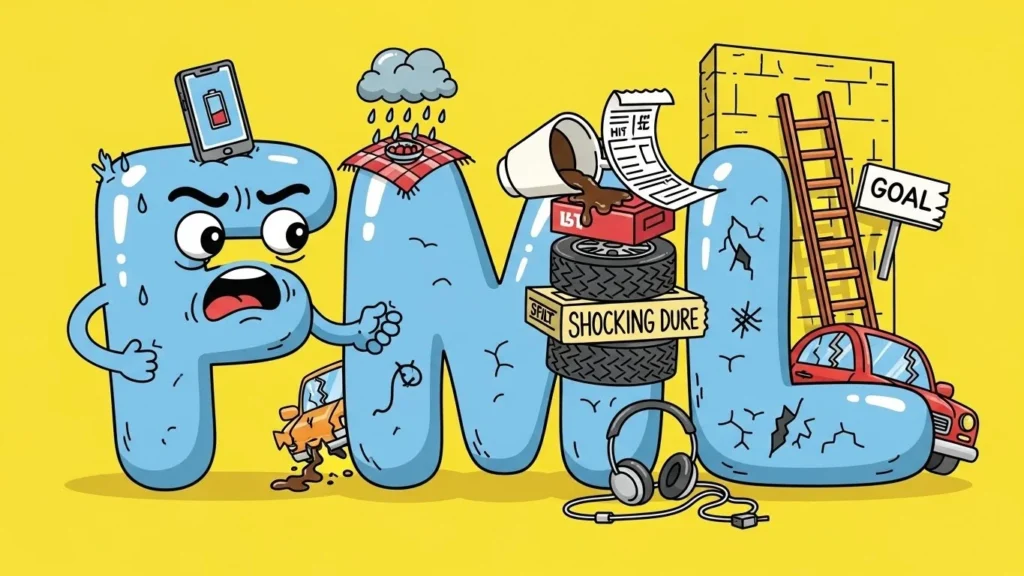
FML stands for “F* My Life”**. It’s an informal expression people use when something bad, frustrating, or embarrassing happens. The phrase is usually a reaction to unfortunate events.
Origins of FML
FML became popular in internet culture around the early 2000s. It gained traction through social media, forums, and websites like FMyLife.com, where users shared short stories about their daily misfortunes.
FML in Text Messages
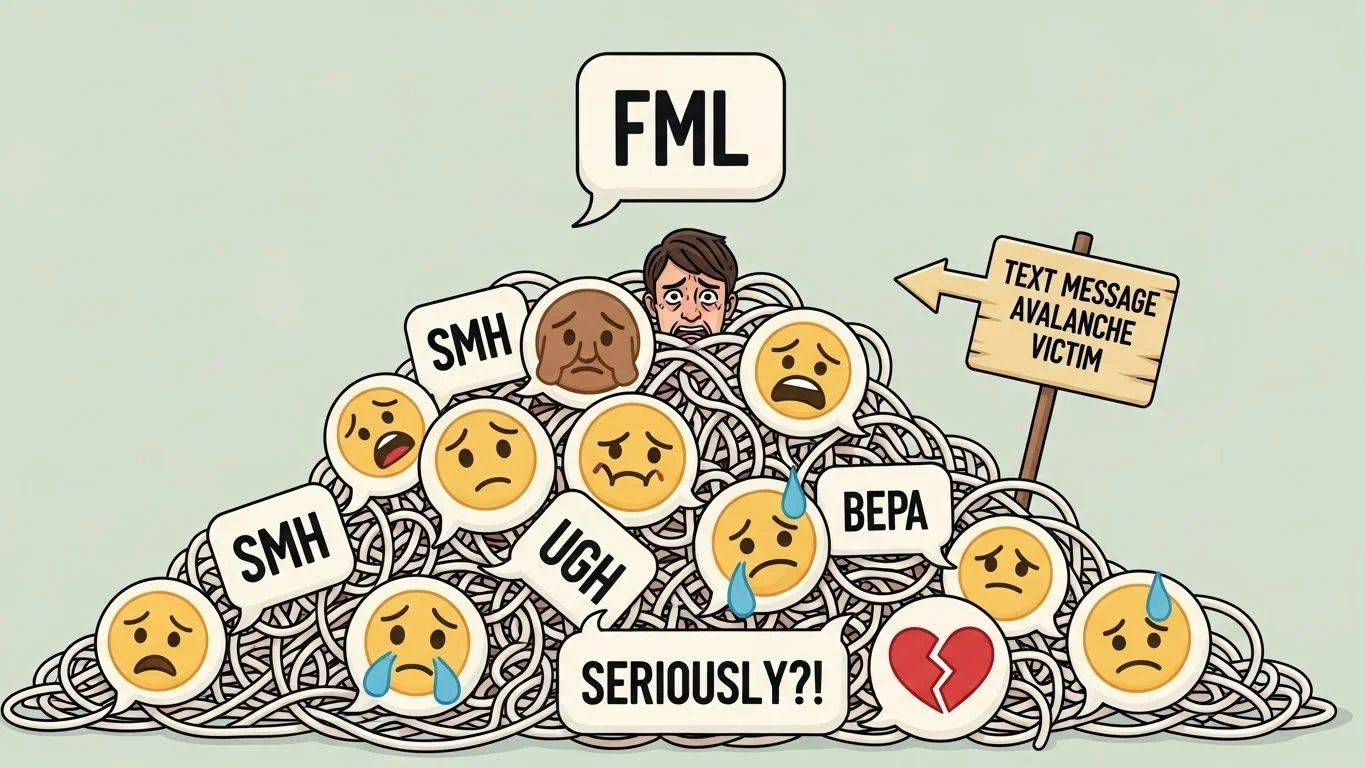
In text messages, FML is often used to quickly express frustration or disappointment. For example:
“I just spilled coffee on my laptop. FML.”
FML on Social Media
On platforms like Twitter, Instagram, or TikTok, FML is used to react to annoying situations, often with humor or exaggeration.
Common Situations Where People Use FML
People use FML when something inconvenient, embarrassing, or unfortunate happens—like missing the bus, failing a test, or accidentally sending a message to the wrong person.
FML in Modern Slang
FML has become a part of everyday slang. While it originally expressed real frustration, many people now use it jokingly to exaggerate minor annoyances.
Misunderstandings About FML
Some people might think FML is meant literally as self-harm or extreme despair. In most cases, it’s just an exaggerated way of saying something went wrong.
FML in Emails or Formal Communication
FML is considered informal and inappropriate for professional emails or serious communication. Stick to casual conversations or social media when using it.
FML vs Other Expressions
FML is similar to saying “ugh” or “this sucks,” but it’s more dramatic and personal.
FML in Humor
Many users post FML situations online to entertain others. The humor comes from relatability and over-the-top reactions.
FML in Memes
Memes often feature FML as the punchline, showing small daily disasters in a funny or exaggerated way.
FML in Gaming Communities
Gamers sometimes use FML to express frustration over losing a game, making a mistake, or dealing with annoying teammates.
FML in Dating or Relationships
People may text FML after awkward dates, misunderstandings, or relationship mishaps, usually to vent humorously.
FML in Work or School Contexts
FML can describe everyday annoyances at work or school, such as missed deadlines, difficult coworkers, or failed assignments.
Cultural Differences in Using FML
FML is mostly used in English-speaking online communities, but similar expressions exist in other languages to express frustration.
Positive Side of FML
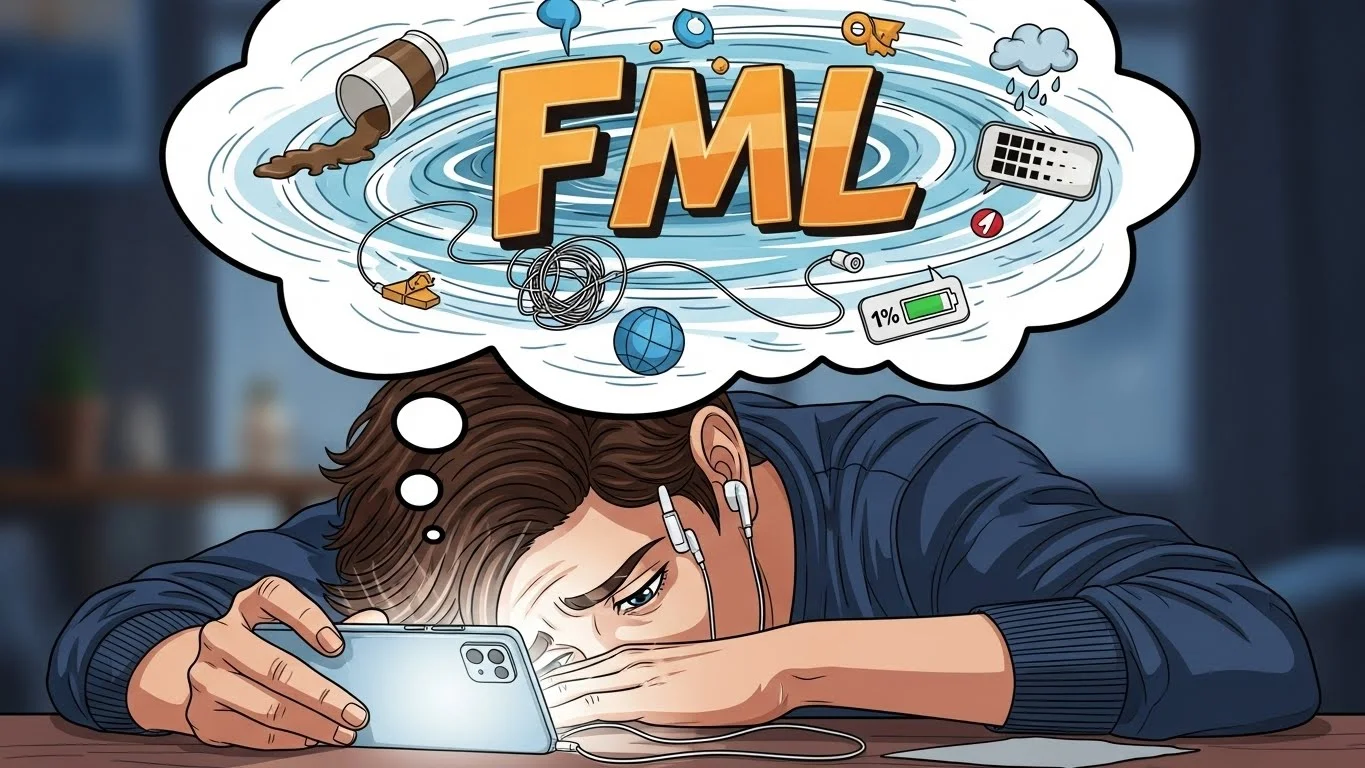
Even though it’s negative in meaning, FML can help people vent, bond over shared struggles, and use humor to cope with life’s mishaps.
FML Variations
Some variations include:
SMH FML (shaking my head, f*** my life)
FML lol (using humor with frustration)
How to Respond to Someone Using FML
You can respond with empathy, humor, or support depending on the situation. Example:
“Oh no! That’s rough. Hope your day gets better!”
When Not to Use FML
Avoid using FML in serious conversations, professional communication, or situations involving real tragedy, as it can seem insensitive.
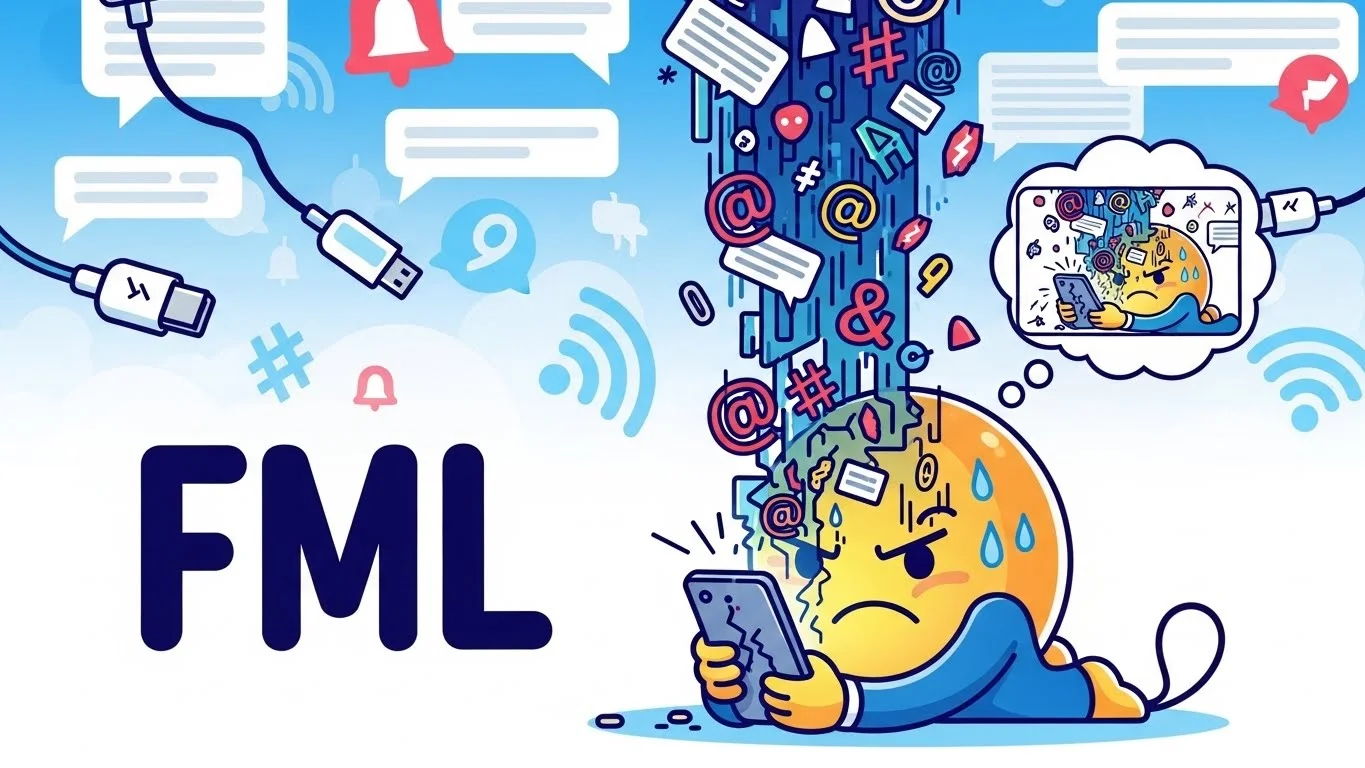
Summary of FML Meaning in Text
FML is a casual way to express frustration, embarrassment, or bad luck in texting and online communication. It’s often humorous and relatable.