What Does Folx Mean?
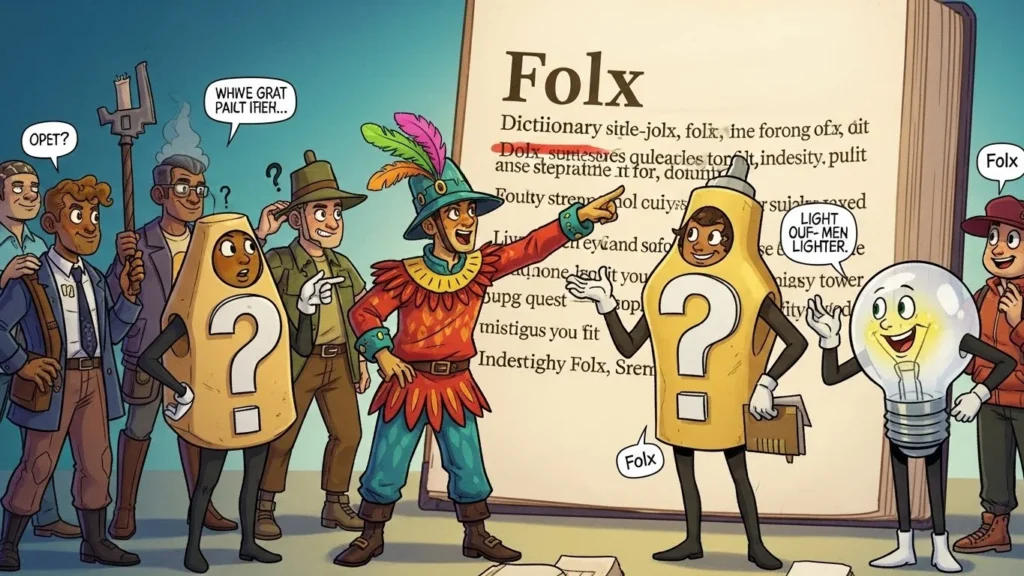
At its core, folx means “people.” It is a modern variation of the word “folks.”
The meaning itself does not change the definition. Instead, the spelling choice adds social and cultural context that signals inclusivity and awareness.
Folx vs Folks: Is There a Difference?
Yes, there is a difference in usage, not meaning.
Folks is the traditional spelling and widely accepted in all settings.
Folx is an alternative spelling often used to signal inclusivity, especially toward marginalized or underrepresented groups.
Both words mean “people,” but they carry different tones depending on context.
Why Do People Use the Word Folx?
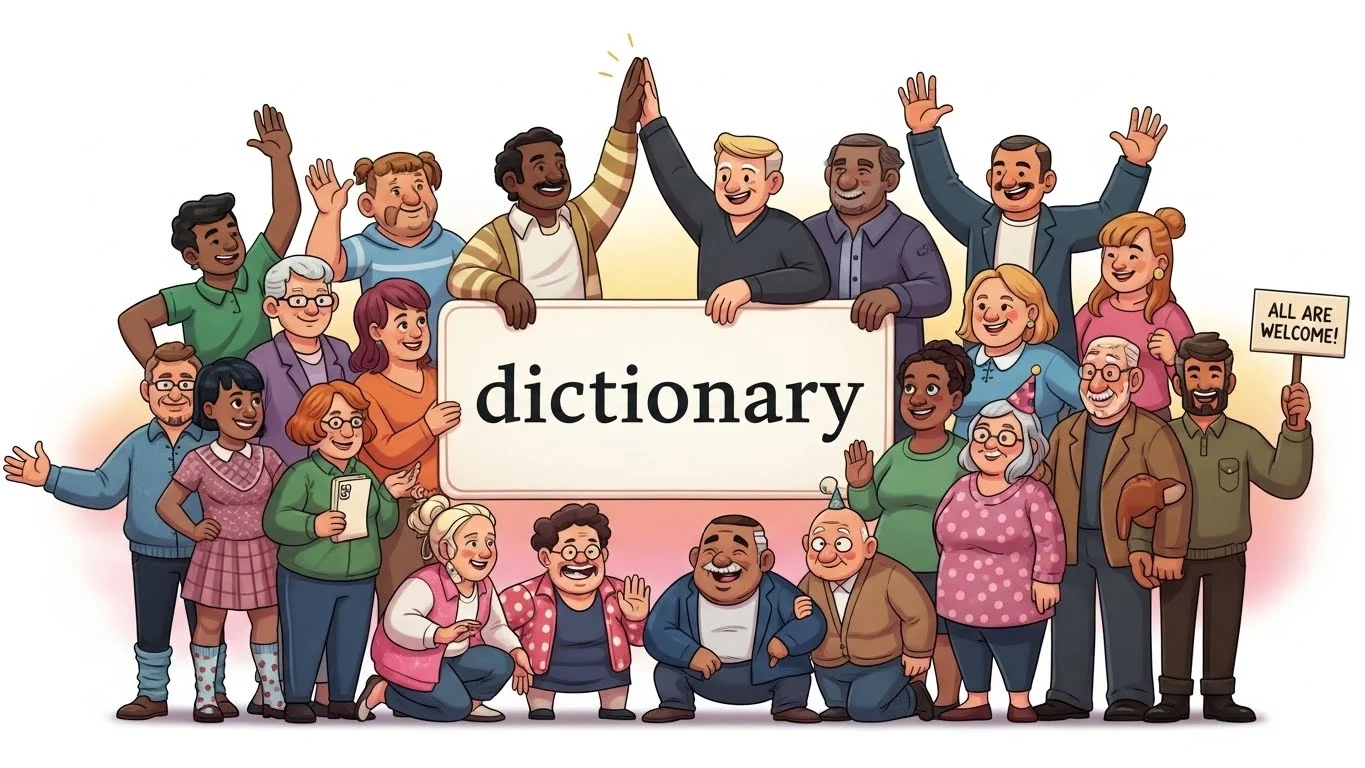
People use folx to intentionally show that everyone is included, especially in spaces where gender, identity, or background diversity matters.
It’s often used to make language feel more welcoming and thoughtful rather than exclusive or assumed.
The Origin of the Word Folx
The word folx emerged from online communities and activist spaces in the early 2010s.
It gained popularity alongside other inclusive language changes, especially within LGBTQ+ and social justice communities, before spreading into broader digital culture.
Is Folx a Slang Word?
Yes, folx is considered informal slang.
It’s not typically found in traditional dictionaries as a standard spelling, but it is widely recognized in modern communication, especially online.
Is Folx Gender-Neutral?
The word folks was already gender-neutral. However, folx emphasizes that neutrality.
People use “folx” to clearly communicate that they are being intentional about inclusion, even if the original word was already neutral.
How Folx Is Used in Daily Language
You might see or hear folx used in phrases like:
“Hey folx, welcome!”
“This space is for all folx.”
“Thanks for joining us, folx.”
In daily language, it functions exactly like “folks.”
Folx in Online Communities
Online communities were the first major place where folx became common.
It’s frequently used in:
Social media posts
Community guidelines
Event announcements
Group messages
Its use often reflects shared values rather than grammar rules.
Folx in Professional and Work Settings
In professional settings, folx is less common but not unheard of.
It may appear in:
Diversity and inclusion statements
Nonprofit communications
Internal messages within progressive organizations
Traditional workplaces usually still prefer “folks.”
Is Folx Politically Charged?
For some people, yes.
The word folx can signal alignment with inclusive or progressive values. This is why reactions to it can vary depending on personal beliefs and cultural context.
Common Misunderstandings About Folx
One common misunderstanding is that folx replaces folks or that people are “not allowed” to say folks anymore. This is not true.
Another misunderstanding is that folx changes the meaning. It does not.
Is Folx Grammatically Correct?
From a traditional grammar perspective, folks is the correct spelling.
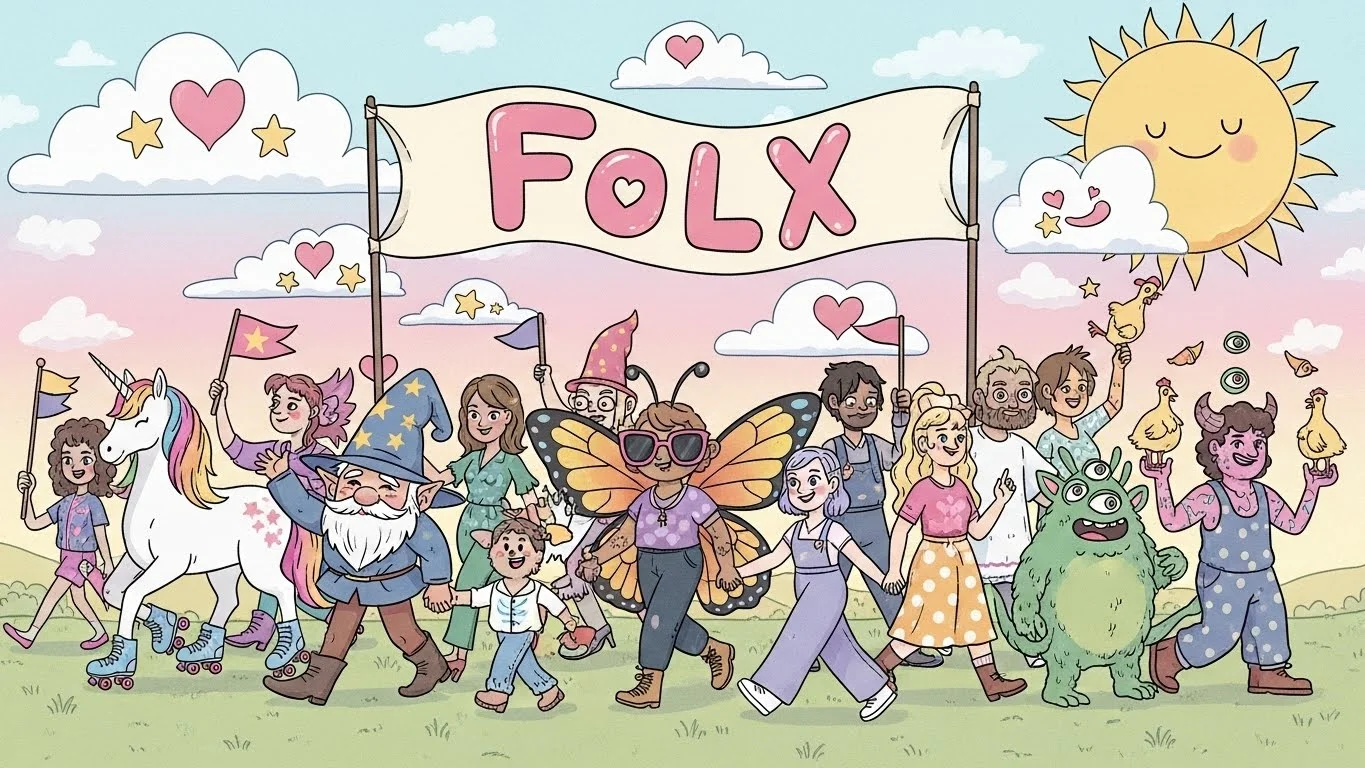
However, language evolves, and folx is socially correct in communities that value inclusive language and intentional spelling choices.
When Should You Use Folx?
You might consider using folx when:
Addressing a diverse or inclusive audience
Communicating in community-based or social spaces
Matching the tone of a group that already uses it
Context matters more than rules.
When Not to Use Folx
Avoid using folx when:
Writing formal academic papers
Communicating in very traditional corporate settings
The audience may find it confusing or unnecessary
Using “folks” is always safe and widely accepted.
Is Using Folx Mandatory?
No. Using folx is a choice, not a requirement.
People should never feel pressured to use it. Language works best when it feels natural and respectful.
How Folx Reflects Language Evolution
The rise of folx shows how language adapts to cultural needs.
People adjust words not only for meaning, but to express values, identity, and awareness in subtle ways.
Why Some People Dislike the Word Folx
Some dislike folx because:
They see it as unnecessary
They prefer traditional spelling
They feel it adds politics to language
These reactions are subjective and often based on personal preference.
Folx in Pop Culture and Media
The word appears more often in:
Social media captions
Podcasts
Community events
Activist branding
Mainstream media still largely uses “folks.”
Does Folx Replace Other Inclusive Terms?
No. Folx does not replace terms like “everyone” or “people.”
It is simply one option among many inclusive language choices.
The Future of the Word Folx
The future of folx depends on cultural trends.
It may remain a niche term, become more mainstream, or slowly fade. Regardless, it has already left a mark on modern language discussions.