HRM Meaning in Simple Words
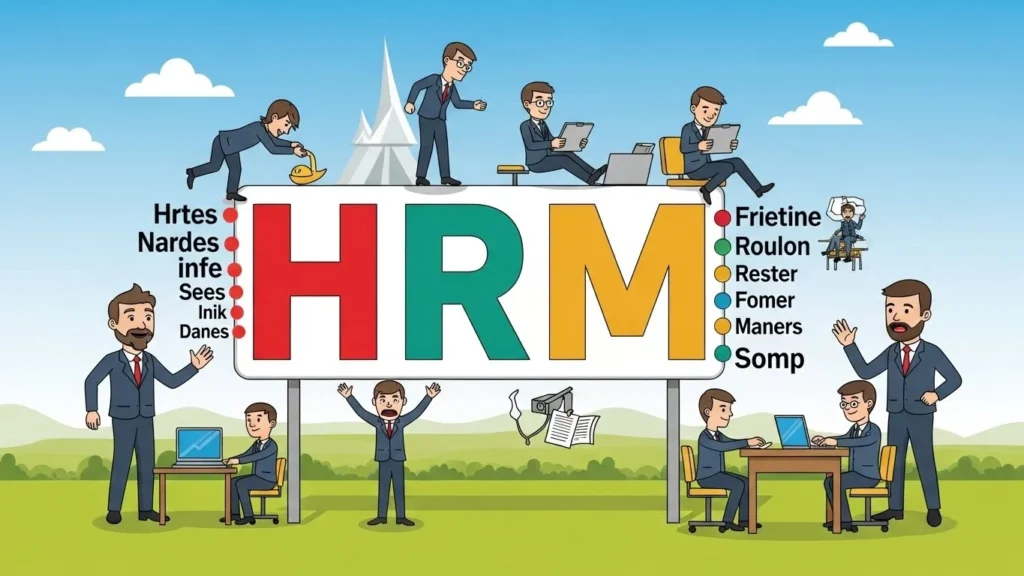
The HRM meaning is Human Resource Management. It refers to how organizations manage their people. HRM focuses on hiring employees, training them, paying them, supporting their growth, and making sure they work in a healthy and fair environment.
In simple terms, HRM is about taking care of people at work so both employees and companies can succeed.
What Does HRM Stand For?
HRM stands for Human Resource Management:
Human: The people working in an organization
Resource: Employees as valuable assets
Management: Planning, organizing, and guiding work
Together, HRM means managing people in a structured and thoughtful way.
Why HRM Is Important in Any Organization
Understanding the HRM meaning helps explain why businesses cannot function well without it. HRM ensures:
The right people are hired
Employees are treated fairly
Skills are developed over time
Workplace problems are resolved properly
Without HRM, companies often face high employee turnover, low morale, and legal risks.
HRM Meaning in the Workplace
In daily work life, HRM is the department employees interact with most. It handles:
Job offers and contracts
Salary and benefits
Leave policies
Workplace complaints
HRM acts as a bridge between employees and management.
Core Functions of Human Resource Management
The main functions that define the HRM meaning include:
Recruitment and selection
Training and development
Performance management
Compensation and benefits
Employee relations
Each function supports both employee satisfaction and business goals.
Recruitment and Hiring in HRM
One key part of HRM is finding the right people. This includes:
Writing job descriptions
Screening resumes
Conducting interviews
Selecting qualified candidates
Good HRM ensures skills match job requirements.
Training and Development Explained
HRM doesn’t stop after hiring. It also focuses on improving employee skills through:
Onboarding programs
Skill-based training
Leadership development
Career planning
This helps employees grow and stay motivated.
Performance Management and HRM Meaning
Performance management is how HRM tracks and improves employee work quality. This includes:
Setting goals
Conducting performance reviews
Giving feedback
Rewarding achievements
It ensures employees know what’s expected and how they can improve.
Compensation and Benefits in HRM
Another important part of the HRM meaning is fair pay. HRM manages:
Salaries and wages
Bonuses and incentives
Health insurance
Retirement plans
Competitive benefits help attract and retain talent.
Employee Relations and Workplace Culture
HRM plays a major role in creating a positive workplace. This involves:
Handling conflicts
Ensuring respectful behavior
Promoting diversity and inclusion
Supporting mental well-being
Strong employee relations lead to better teamwork and trust.
HRM Meaning in Small vs Large Businesses
In small businesses, HRM tasks are often handled by one person or the owner. In large organizations, there is usually a full HR department with specialists for hiring, payroll, and training.
The core HRM meaning stays the same, but the scale changes.
Modern HRM Meaning in 2026
Today, HRM is more strategic than ever. Modern HRM includes:
Remote work policies
Digital HR software
Data-driven decision-making
Focus on employee experience
HRM now helps shape long-term business strategy.
HRM and Technology
Technology has changed the HRM meaning significantly. HR teams now use:
HR management systems (HRMS)
AI-powered recruitment tools
Online training platforms
Digital performance tracking
These tools save time and improve accuracy.
HRM Meaning in Business Strategy
HRM is no longer just administrative. It supports:
Workforce planning
Leadership development
Company culture building
Organizational change
Businesses with strong HRM often perform better overall.
HRM Meaning for Employees
For employees, HRM means:
Fair treatment
Career growth opportunities
Clear policies
A safe work environment
HRM ensures employees feel valued, not just managed.
HRM Meaning for Employers
For employers, HRM helps:
Reduce legal risks
Improve productivity
Retain skilled workers
Build a strong employer brand
Good HRM supports sustainable business growth.
Common Misunderstandings About HRM
Many people misunderstand the HRM meaning, thinking:
HR only protects the company
HR only handles hiring and firing
HR has no role in strategy
In reality, HRM balances both employee and employer needs.
Difference Between HR and HRM
HR usually refers to the department, while HRM refers to the process and approach of managing people. HRM is broader and includes planning, development, and long-term people management.
HRM Meaning in Education and Careers
HRM is also a popular field of study. Degrees and certifications in HRM prepare people for careers like:
HR manager
Talent acquisition specialist
Training manager
HR business partner
It’s a growing and stable career path.
The Future of HRM
The future of HRM focuses on:
Employee well-being
Flexible work models
Ethical leadership
Continuous learning
The HRM meaning will continue to evolve with workplace changes.