

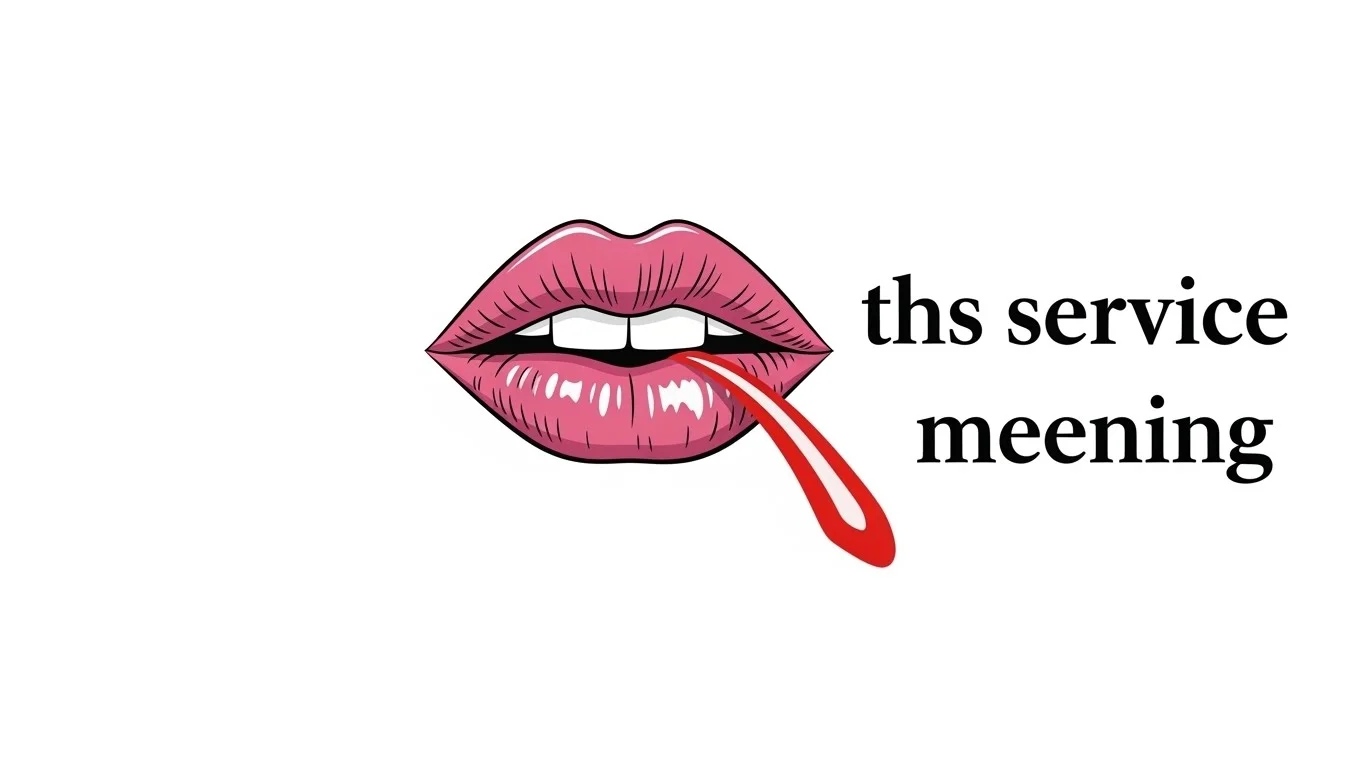
What does lip service mean?
Lip service means saying something supportive or positive without actually meaning it or taking action. A person gives lip service when they speak kind or promising words but do not follow them with real effort.
Lip service meaning in simple words
In very simple terms, lip service means talking without doing. It is when words sound good, but actions are missing.
Why is it called lip service?
The phrase comes from the idea that only the lips are working, not the heart or hands. The speaker’s mouth says the right things, but nothing else changes.
Is lip service positive or negative?
Lip service usually has a negative meaning. It suggests dishonesty, lack of effort, or fake concern rather than genuine support.
Lip service in daily life examples
You might experience lip service when:
A manager promises support but never helps
A friend agrees with you but does nothing
A company claims to care but doesn’t improve behavior
Lip service meaning in the workplace
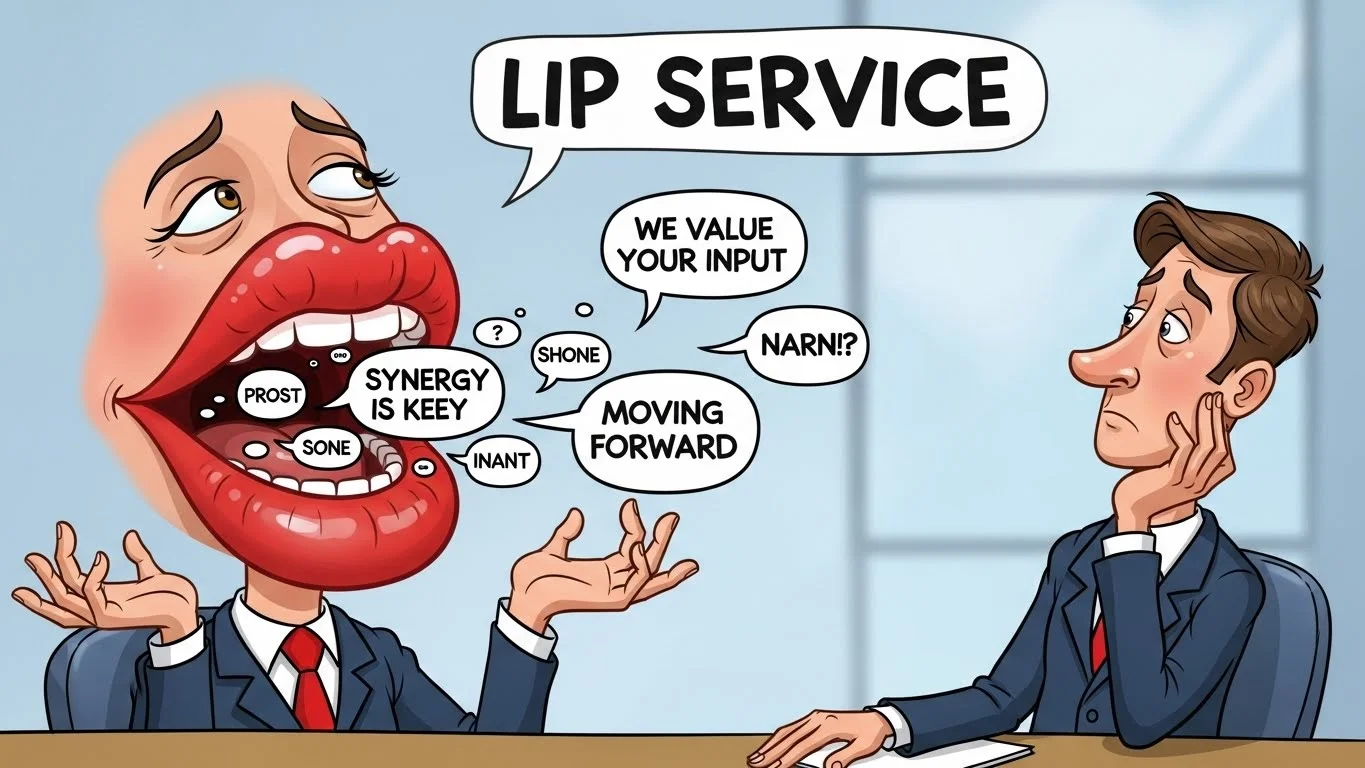
At work, lip service often refers to leaders who talk about values like teamwork or fairness but fail to practice them in real decisions.
Lip service in politics and leadership
In politics, lip service means making promises to gain support without real intention to act. Many voters criticize leaders for offering words instead of results.
Lip service meaning in relationships
In personal relationships, lip service happens when someone says “I care” or “I’ll change” but repeats the same behavior again and again.
Lip service vs real commitment
Real commitment includes actions, effort, and consistency. Lip service includes only words, with no follow-through.
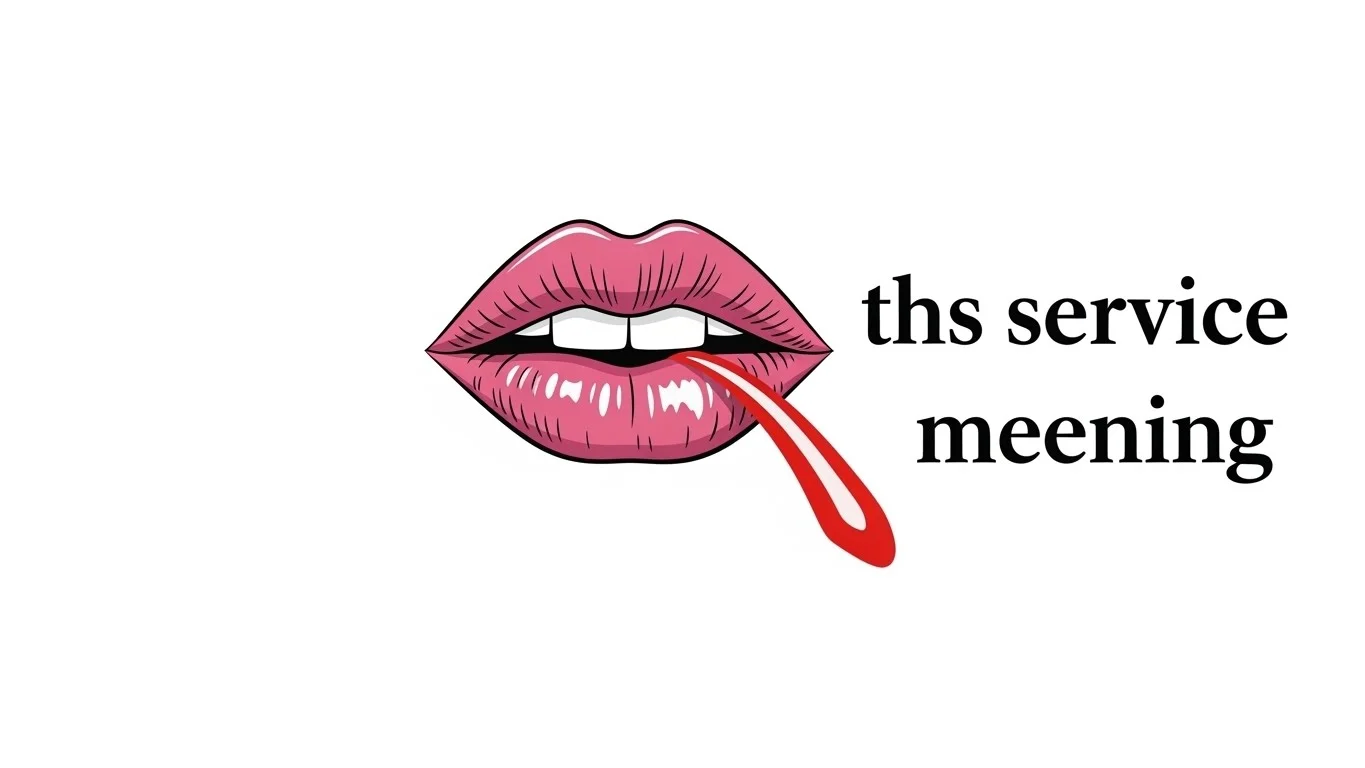
Common signs of lip service
Some common signs include:
Repeated promises with no results
Vague or unclear statements
Excuses instead of progress
Lip service in business and brands
Many brands are accused of lip service when they advertise social responsibility but don’t change harmful practices behind the scenes.
Lip service in social issues
On social issues, lip service means showing public support without taking meaningful steps, such as policy changes or financial support.
Lip service meaning in modern usage
Today, the term is widely used online, especially on social media, to call out fake support or performative behavior.
Is lip service always intentional?
Not always. Sometimes people give lip service without realizing it, especially when they want to appear helpful but lack time or resources.
Lip service vs empty promises
Lip service and empty promises are closely related. Both involve saying things that sound good but don’t lead to action.
How to avoid giving lip service
To avoid lip service:
Speak honestly
Only promise what you can do
Take small actions to support your words
Why people criticize lip service
People criticize lip service because it creates false hope and damages trust over time.
Lip service in professional communication
In professional settings, lip service can harm credibility and reputation, especially for leaders and organizations.
How to respond to lip service
You can respond by:
Asking for clear actions
Setting deadlines
Observing behavior instead of words
Why understanding lip service matters
Understanding lip service helps you judge sincerity, protect your time, and build stronger personal and professional relationships.