
What Does Moxie Mean?
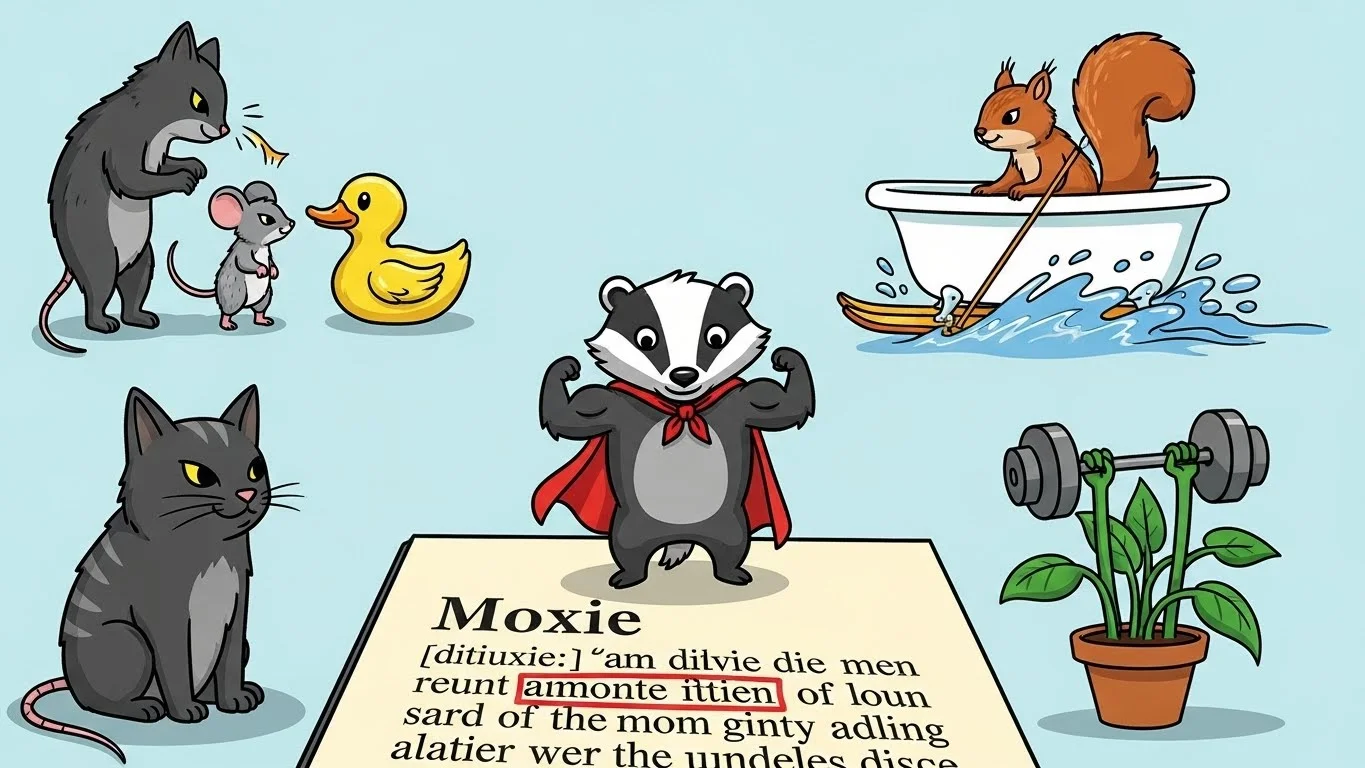
Moxie means confidence, courage, determination, and the ability to face challenges with spirit. When someone has moxie, they don’t give up easily. They stand up for themselves and take action even when things are difficult.
It’s a positive trait and almost always used as a compliment.
The Simple Definition of Moxie
In simple terms, moxie means having guts and self-belief.
If someone has moxie, they:
Believe in themselves
Take bold action
Don’t back down easily
Handle pressure well
Moxie Meaning in Everyday Language
In daily conversation, moxie describes someone who shows bravery or confidence when others might hesitate.
For example:
Speaking up in a meeting
Starting a business with limited resources
Standing your ground in a tough situation
These actions all show moxie.
The Origin of the Word Moxie
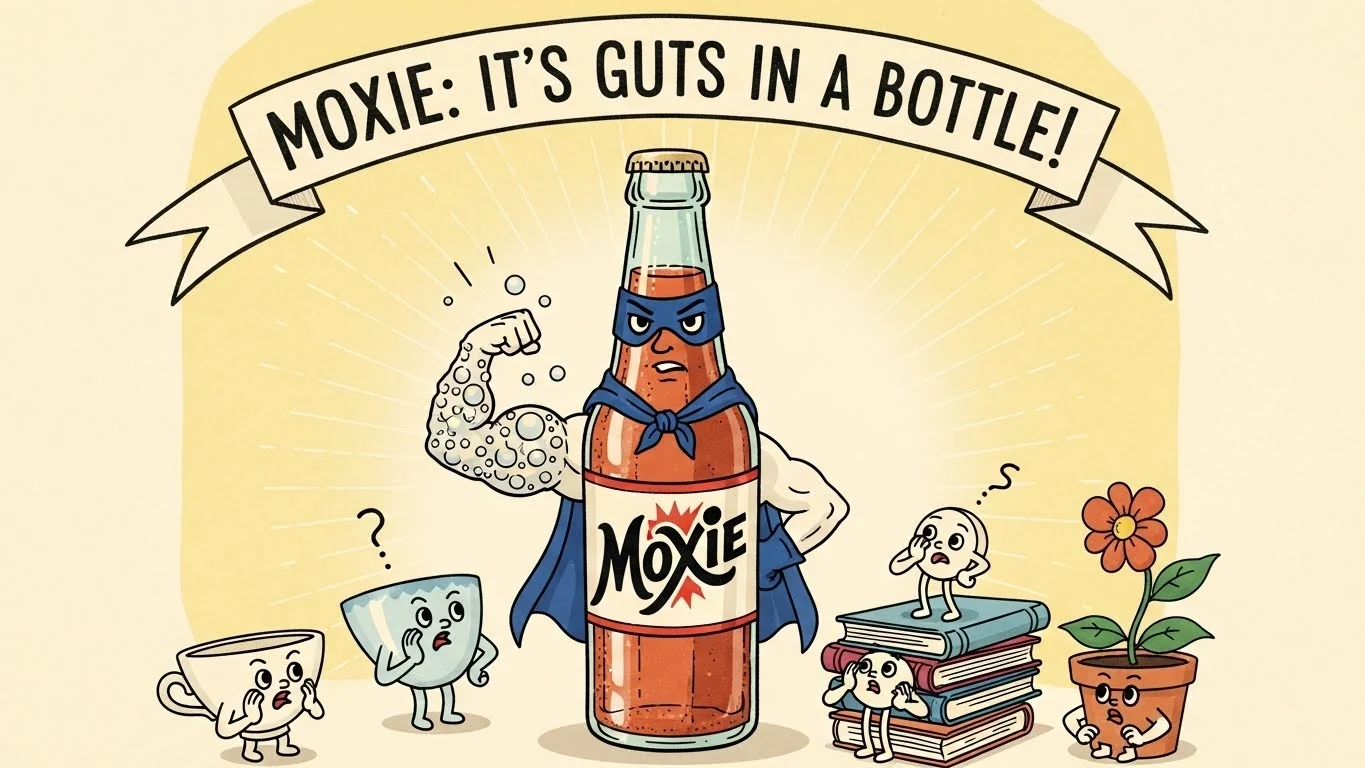
The word “moxie” has a unique history. It originally came from a popular American soft drink in the late 1800s called Moxie.
The drink was marketed as something that gave people energy and strength. Over time, the name became linked to mental strength and courage, which led to the meaning we use today.
How Moxie Is Used in Modern English
Today, moxie is used mostly in informal or conversational English. It often appears in:
Workplace discussions
Sports commentary
Personal development talk
Media and storytelling
It’s commonly used to describe attitude rather than physical power.
Moxie as a Personality Trait
Moxie is considered a character quality, not a skill. You don’t earn it through training alone—it shows in how you respond to challenges.
People with moxie tend to be:
Confident but not arrogant
Brave but thoughtful
Persistent without being reckless
Examples of Moxie in Real Life
Here are a few real-world examples of moxie:
A student asking questions when no one else does
An employee pitching a bold idea to management
An athlete pushing forward after a setback
In each case, moxie is about mindset and action.
Moxie Meaning at Work and in Careers
In the workplace, moxie often refers to professional confidence and initiative.
Employers may describe a strong candidate as having moxie if they:
Take ownership of tasks
Speak up with ideas
Handle pressure confidently
It’s often associated with leadership potential.
Moxie in Pop Culture and Media
Movies, books, and TV shows often use moxie to describe bold characters. These characters may not be the strongest or smartest, but they succeed because they don’t quit.
Moxie is frequently linked to underdogs who overcome obstacles.
Is Moxie the Same as Confidence?
Moxie and confidence are related, but not identical.
Confidence is belief in yourself.
Moxie is confidence plus action, especially when things are hard.
Someone can feel confident but still avoid risk. Moxie pushes people to act anyway.
Moxie vs Courage: What’s the Difference?
Courage is about facing fear.
Moxie includes courage but also adds:
Energy
Attitude
Persistence
Moxie feels more lively and personal than formal bravery.
Is Moxie a Compliment?
Yes, moxie is almost always a compliment.
Calling someone “full of moxie” means you admire their:
Strength
Boldness
Determination
It’s rarely used in a negative way.
Can Anyone Have Moxie?
Yes. Moxie is not tied to age, gender, or background.
People build moxie through:
Experience
Self-belief
Facing challenges instead of avoiding them
It grows over time.
Moxie Meaning for Women and Empowerment
Moxie is often used to describe strong, independent women. It highlights:
Confidence
Voice
Self-respect
The word has become popular in conversations about empowerment and leadership.
How to Use Moxie in a Sentence
Here are some natural examples:
“She showed real moxie by starting her own company.”
“That rookie has moxie—he’s not afraid of pressure.”
“It takes moxie to challenge the status quo.”
Common Misunderstandings About Moxie
Some people think moxie means:
Being loud
Being aggressive
Acting without thinking
This is incorrect. True moxie is confident, not careless.
Is Moxie an Old-Fashioned Word?
Moxie is an older word, but it’s still widely used today. In fact, it has made a strong comeback in modern language, especially in leadership, motivation, and self-growth topics.
Why the Word Moxie Still Matters Today
In a fast-changing world, moxie represents:
Resilience
Adaptability
Inner strength
These qualities are more important than ever in 2025.
Moxie Meaning in Personal Growth
In personal development, moxie means believing in yourself enough to take action—even when you feel unsure.
It encourages people to:
Try new things
Speak honestly
Take responsibility
How to Develop More Moxie
You can build moxie by:
Taking small risks
Practicing self-trust
Learning from failure
Standing up for your values
Moxie grows through action, not perfection.