
What Is the Meaning of Orchestration?
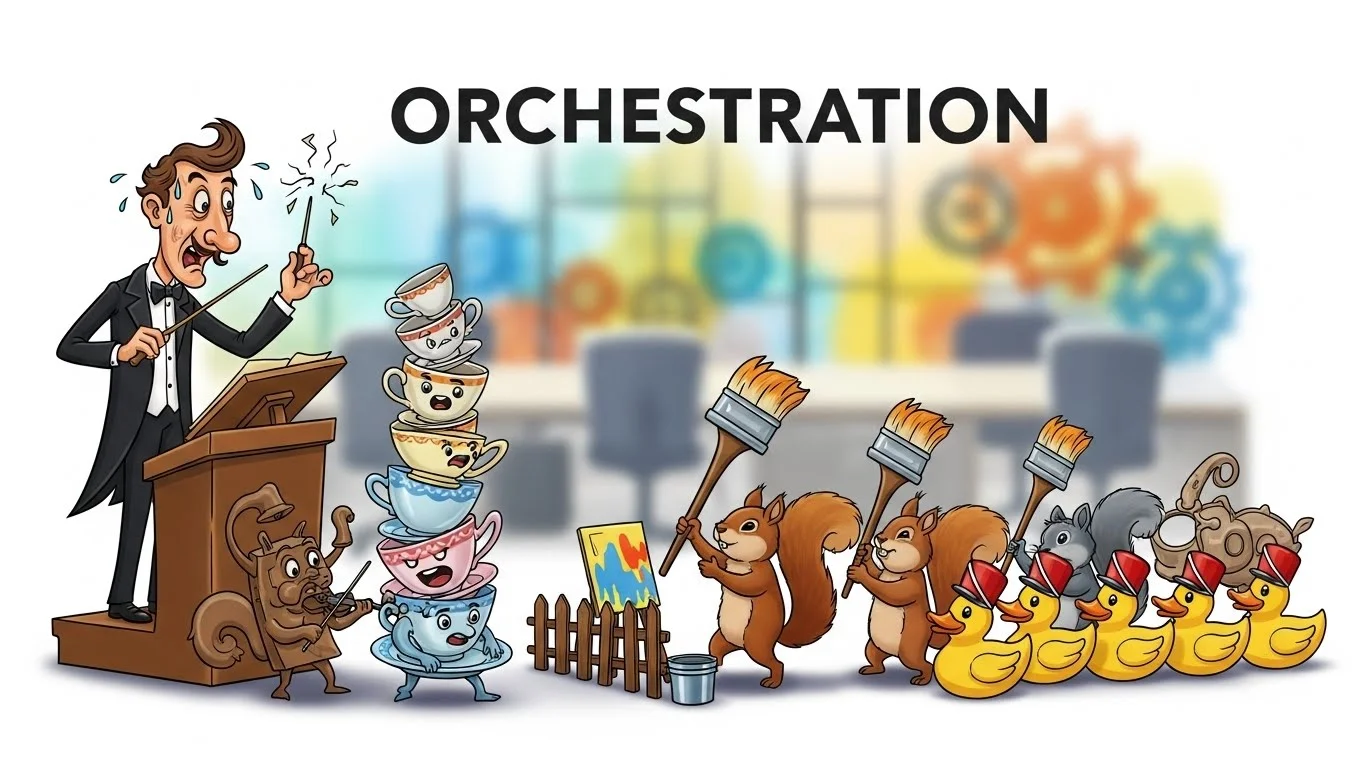
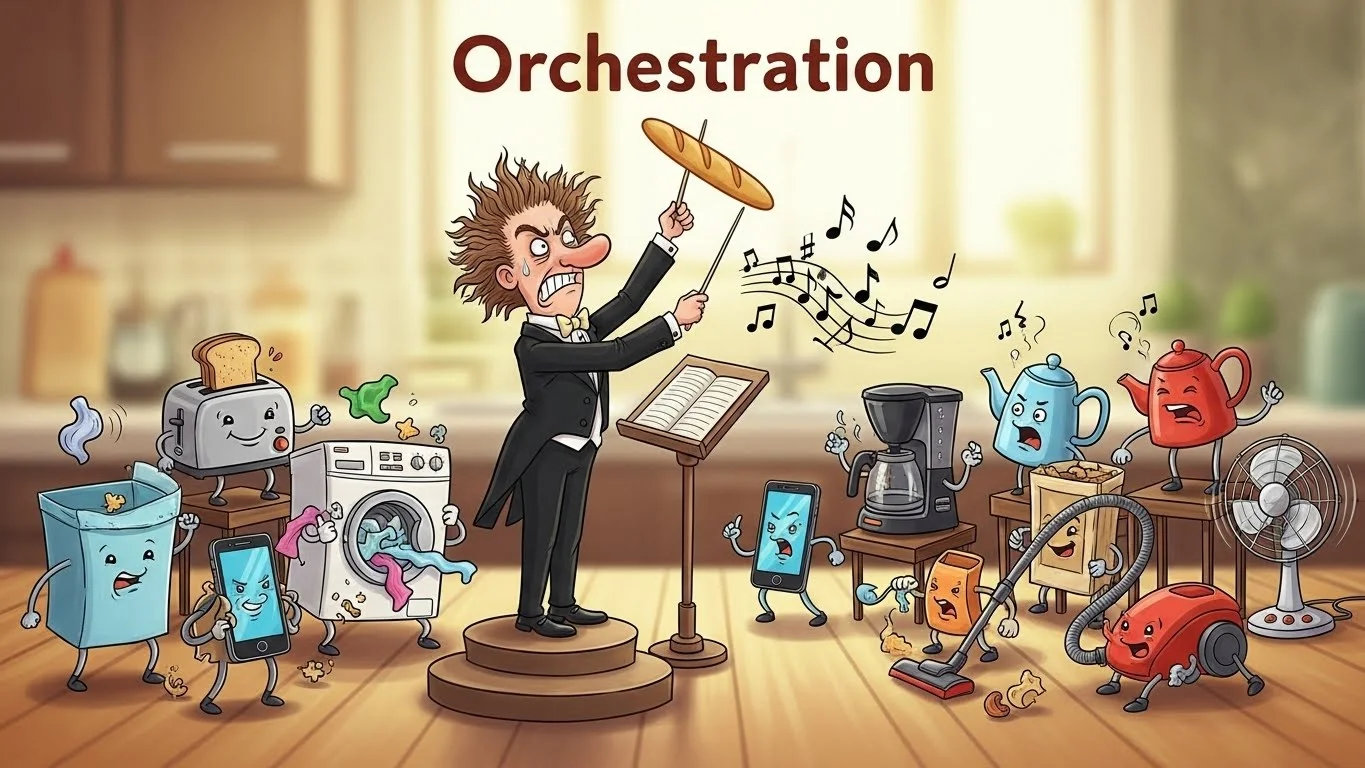
Orchestration means organizing, arranging, and coordinating different parts so they work together smoothly to achieve a specific result.
Simple Explanation of Orchestration
In simple terms, orchestration is making sure everything works together in the right way at the right time.
Orchestration in Music
In music, orchestration refers to deciding which instruments play which parts in a piece of music to create a balanced and expressive sound.
Orchestration vs Composition
Composition is about writing the music itself, while orchestration focuses on how that music is distributed among instruments.
Orchestration in Classical Music
In classical music, orchestration shapes mood, emotion, and texture by combining strings, brass, woodwinds, and percussion carefully.
Orchestration in Film and Media
In films, orchestration enhances storytelling by supporting emotions, tension, and atmosphere through musical arrangement.
Orchestration in Business
In business, orchestration means coordinating people, processes, and resources so a project or strategy runs efficiently.
Orchestration in Technology
In technology, orchestration refers to automating and managing multiple systems or services so they operate as one system.
Orchestration in Cloud Computing
In cloud computing, orchestration manages servers, applications, and workflows to ensure smooth performance and scalability.
Orchestration in Project Management
Project managers use orchestration to align tasks, teams, and timelines to deliver results successfully.
Orchestration in Daily Life
In everyday life, orchestration can describe planning events, managing schedules, or coordinating activities effectively.
Why Orchestration Is Important
Orchestration ensures efficiency, harmony, and consistency, reducing confusion and improving outcomes.
Orchestration vs Coordination
Coordination focuses on working together, while orchestration adds structure, planning, and leadership.
Common Examples of Orchestration
Examples include conducting an orchestra, managing a product launch, or automating software deployments.
Orchestration as a Skill
Orchestration is considered a valuable skill because it requires planning, communication, and strategic thinking.
Orchestration in Leadership
Strong leaders orchestrate teams by assigning roles clearly and guiding efforts toward shared goals.
Modern Usage of the Word Orchestration
Today, orchestration is widely used in technology, business, and creative fields, not just music.
Is Orchestration Always Planned?
Usually yes, but it can also describe carefully guided actions that adapt as situations change.
Common Misunderstandings About Orchestration
Some think orchestration only applies to music, but it actually applies to any complex system.

Positive and Negative Uses of Orchestration
Orchestration is usually positive, but it can be negative if used to manipulate outcomes unfairly.
Orchestration Meaning for Learners
For learners, orchestration means bringing many parts together into one organized whole.