
What Pay Stubs Mean in Simple Terms
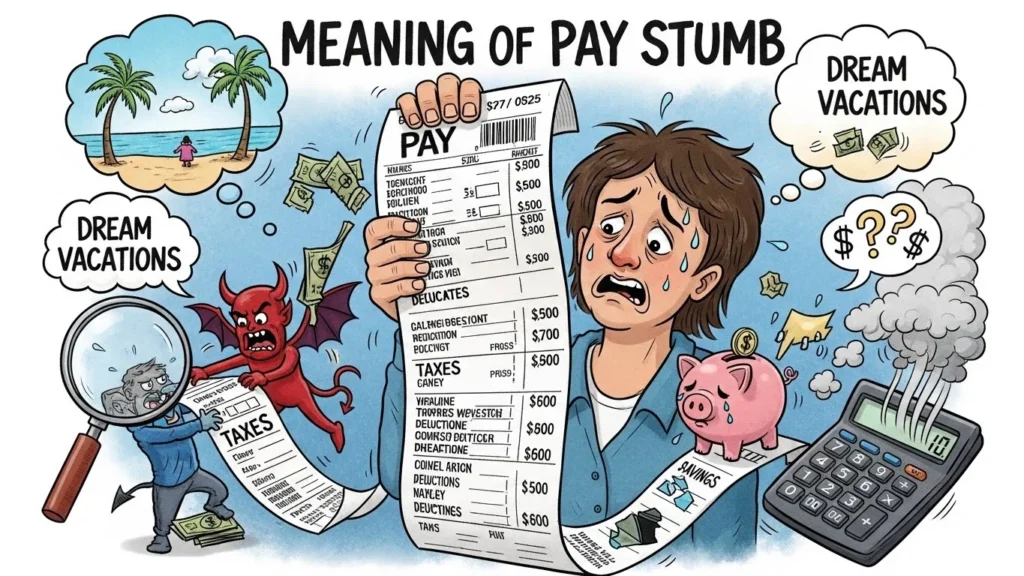
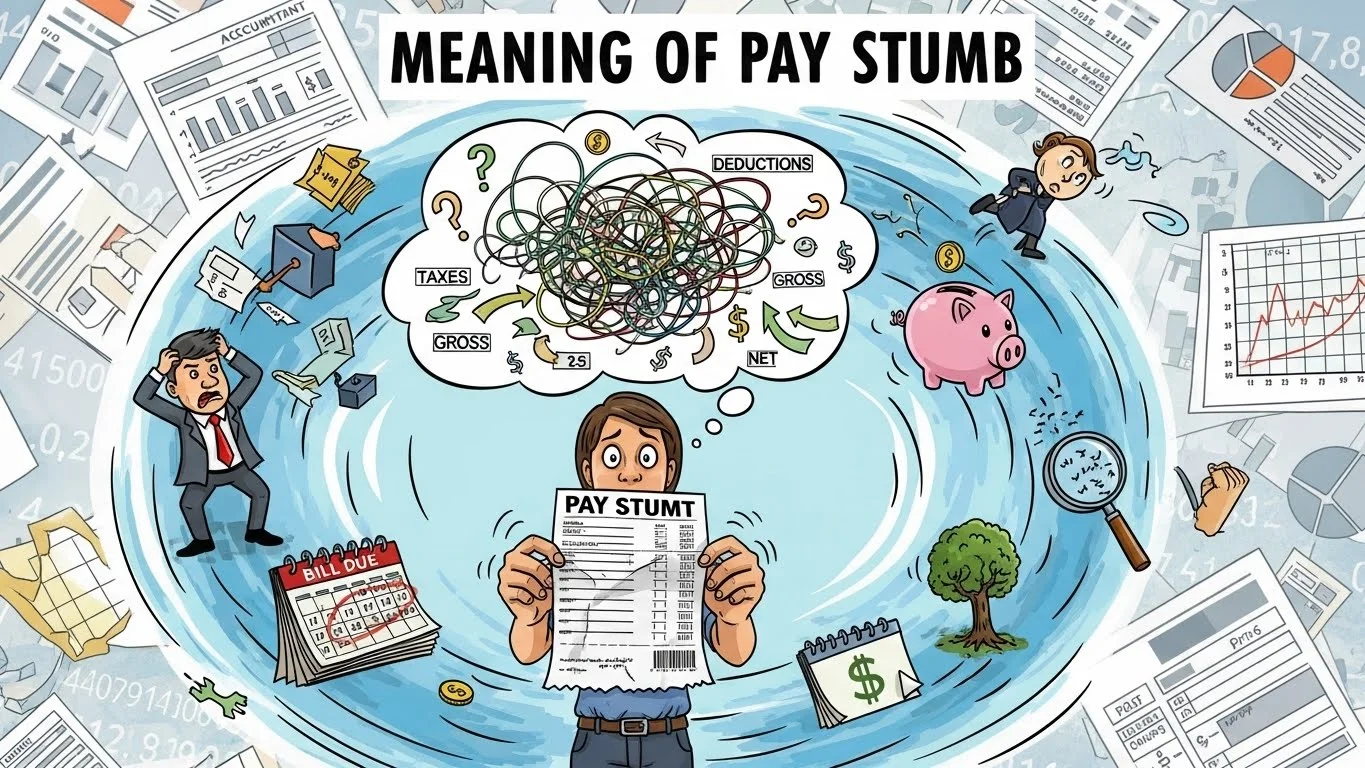
The pay stubs meaning is straightforward: a pay stub is a document that shows how your pay was calculated.
It breaks down how much money you earned, what was taken out (taxes and deductions), and how much you actually received.
What a Pay Stub Is Also Called
Pay stubs may also be known as:
Payslips
Paychecks stubs
Earnings statements
Wage statements
The name may change, but the purpose is the same.
Why Pay Stubs Exist
Pay stubs exist to provide transparency between employers and employees. They help workers understand:
How much they earned
What deductions were made
Whether they were paid correctly
They also serve as official proof of income.
Basic Parts of a Pay Stub
Most pay stubs include three main sections:
Earnings
Deductions
Net pay
Each section explains a different part of your salary calculation.
Earnings Section Explained
The earnings section shows:
Hourly wage or salary
Hours worked
Overtime (if any)
Bonuses or commissions
This is the gross pay, meaning pay before deductions.
What Gross Pay Means on a Pay Stub
Gross pay is the total amount you earned before anything is deducted. This is not the amount you take home.
Many people confuse gross pay with net pay, but they are very different.
Deductions Section Meaning
The deductions section lists amounts taken out of your pay, such as:
Income tax
Social security or pension contributions
Health insurance
Loan repayments
Retirement plans
These deductions reduce your take-home pay.
What Net Pay Means on a Pay Stub
Net pay is the final amount you receive, often called “take-home pay.”
This is the money deposited into your bank account or given as a check.
Pay Stubs Meaning in Daily Life
In everyday life, pay stubs are used to:
Track income
Manage budgets
Verify employment
Apply for loans or credit cards
Rent apartments
They are more important than many people realize.
Pay Stubs as Proof of Income
Pay stubs are commonly accepted as proof of income by:
Banks
Landlords
Government offices
Schools
They show consistent earnings over time.
Digital Pay Stubs vs Paper Pay Stubs
Modern workplaces often provide:
Digital pay stubs through online portals
Email pay statements
Downloadable PDFs
Paper pay stubs are still used in some workplaces.
How Often Pay Stubs Are Issued
Pay stubs are usually issued:
Weekly
Biweekly
Semi-monthly
Monthly
The schedule depends on your employer’s payroll system.
Common Abbreviations Found on Pay Stubs
Pay stubs often include abbreviations like:
YTD (Year to Date)
FICA (tax-related deduction)
OT (Overtime)
NET (Net pay)
Understanding these helps you read your pay stub correctly.
Pay Stubs Meaning for Hourly Employees
For hourly workers, pay stubs show:
Hours worked
Hourly rate
Overtime hours
Total earnings
They help confirm accurate payment.
Pay Stubs Meaning for Salaried Employees
For salaried employees, pay stubs show:
Fixed salary amount
Benefits deductions
Tax withholdings
Hours worked may not be listed.
Why It’s Important to Check Your Pay Stub
Checking your pay stub helps you:
Spot payment errors
Catch incorrect deductions
Monitor tax withholdings
Protect yourself financially
Mistakes can happen, and pay stubs help catch them early.
Legal Importance of Pay Stubs
In many regions, employers are legally required to provide pay stubs. They protect both employees and employers by keeping accurate records.
Pay stubs can also be used in legal or tax disputes.
Common Misunderstandings About Pay Stubs
Many people mistakenly believe:
Pay stubs are optional
Net pay equals gross pay
Deductions are mistakes
Pay stubs don’t matter after payday
These assumptions are incorrect.
How Long You Should Keep Pay Stubs
It’s generally recommended to keep pay stubs for:
At least one year
Until tax returns are filed
As long as needed for financial records
Digital storage makes this easier.

What to Do If Your Pay Stub Is Incorrect
If you notice an error:
Contact your employer or payroll department
Keep records of past pay stubs
Request a correction in writing
Prompt action helps resolve issues faster.
Key Point About Pay Stubs
The key takeaway is that pay stubs explain where your money comes from and where it goes. They are essential financial documents.