

What Is Persuasion?
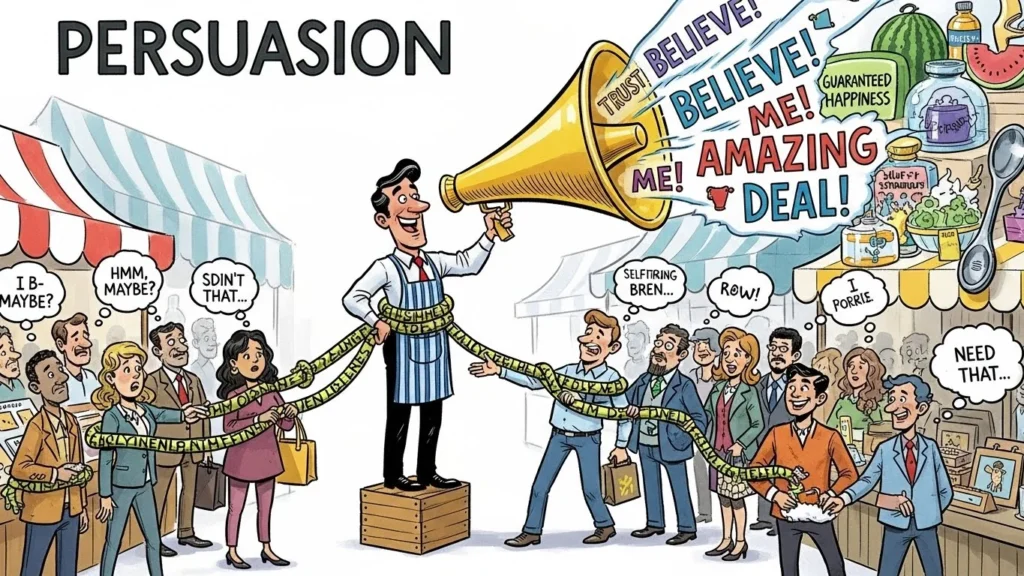
Persuasion is the act of convincing someone to believe, feel, or do something. It doesn’t involve forcing anyone but relies on communication, reasoning, or emotion.
Persuasion Meaning in Simple Words
In simple terms, persuasion means influencing someone’s thoughts or actions through discussion, explanation, or appeal.
The Origins of Persuasion
The word comes from the Latin “persuadere,” meaning “to advise or convince.” Its roots show that persuasion has been an essential human skill for centuries.
Persuasion vs. Manipulation
Persuasion is ethical influence, while manipulation uses deceit or pressure. Understanding this difference is key to responsible communication.
Persuasion in Daily Life
From convincing a friend to watch a movie to negotiating a raise at work, persuasion happens all the time. Everyday decisions often involve subtle persuasion.
Persuasion in Marketing
Marketing relies heavily on persuasion to encourage people to buy products or services. Advertisements use emotional appeal, logic, and credibility to influence consumers.
Persuasion in Politics
Politicians use persuasion to gain support and votes. They often combine facts, emotional stories, and strong messaging to influence public opinion.
Persuasion in Social Media
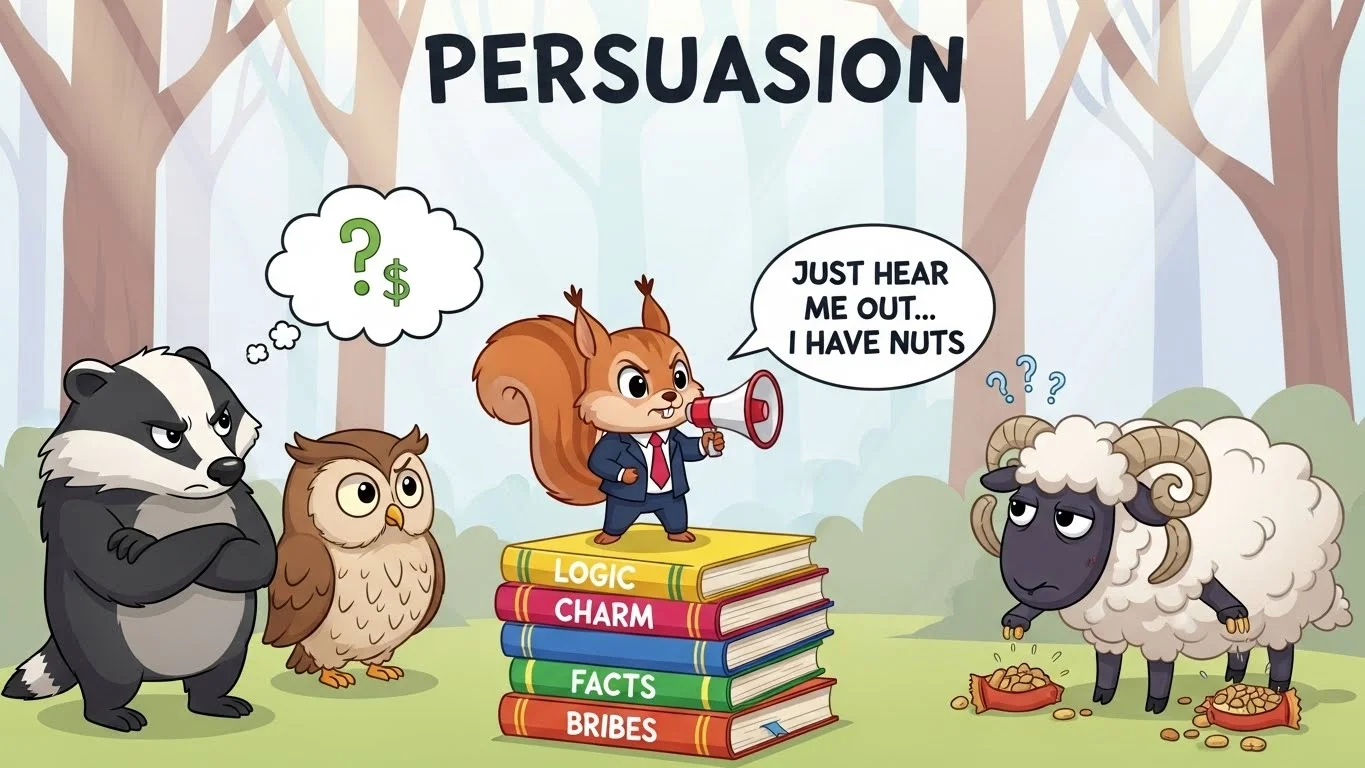
Social media influencers use persuasion to shape opinions, trends, and behavior. Likes, shares, and endorsements act as tools of persuasion.
Persuasion in Education
Teachers persuade students to engage with subjects by making lessons interesting and relevant. Effective education often relies on persuasive communication.
Persuasion in Negotiation
Negotiators use persuasion to reach agreements that satisfy all parties. Clear reasoning and understanding the other person’s needs are key techniques.
Modern Uses of Persuasion
Today, persuasion is not just about speaking. It includes videos, social media posts, blogs, and emails—all designed to influence audiences effectively.
Common Misunderstandings About Persuasion
Some people confuse persuasion with force or manipulation. True persuasion is voluntary and respects the other person’s choice.
Persuasion and Psychology
Psychology studies how persuasion works on the human mind, including principles like reciprocity, authority, and social proof.
Persuasion and Emotional Appeal
Appealing to emotions is a strong persuasion tool. Stories, images, and experiences can make people feel connected and motivated.
Persuasion and Logical Reasoning
Logic-based persuasion focuses on facts, data, and clear arguments. It helps convince people who value rational thinking.
Persuasion and Credibility
Credibility is essential. People are more likely to be persuaded when the source is trustworthy and knowledgeable.
Persuasion in Writing
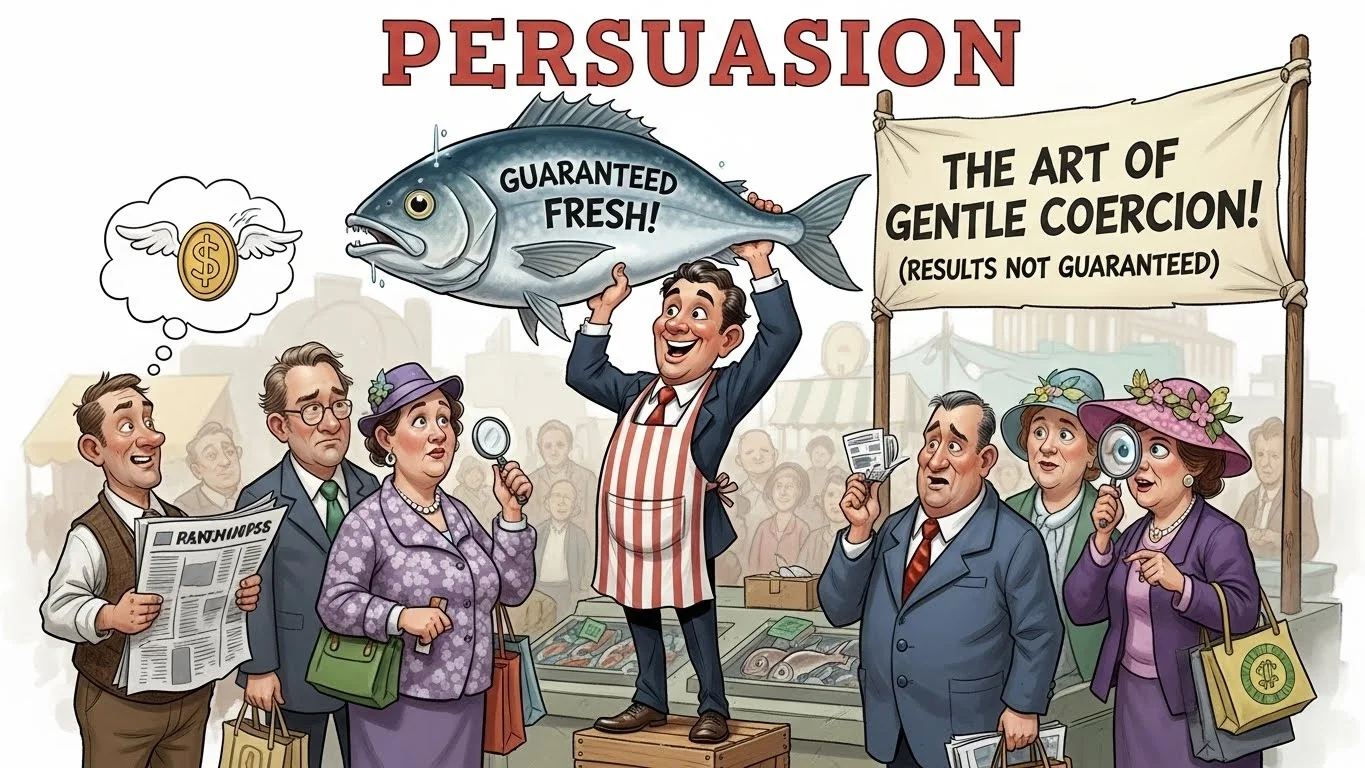
Writing can be persuasive through essays, blogs, or emails. Clear structure, evidence, and compelling language make writing influential.
Persuasion in Advertising Language
Advertisers use catchy phrases, repetition, and calls to action to persuade audiences to buy or engage.
Ethical Persuasion
Ethical persuasion respects truth and choice. It avoids misleading information or emotional exploitation.
Why Persuasion Is Important
Understanding persuasion helps in communication, marketing, leadership, education, and personal relationships. It’s a skill everyone can benefit from.