
What Does Risk Mean?
Risk means the chance or possibility that something bad or unwanted may happen. It involves uncertainty and potential loss, harm, or danger.
In simple terms, when you take a risk, you are doing something without knowing the final result.
Risk Meaning in Simple Words
In the easiest language, risk means danger or chance of loss.
If you think something could go wrong, that situation involves risk.
Example:
Crossing a busy road without looking has a risk of getting hurt.
Risk Meaning in Daily Life
We face risk every day, often without realizing it.
Examples include:
Driving fast on the road
Skipping a medical checkup
Investing money
Trusting someone you do not know well
These actions all have possible negative outcomes, which is why they are called risks.
Risk Meaning in Business
In business, risk means the possibility of financial loss or failure.
Companies take risks when:
Launching a new product
Entering a new market
Hiring new staff
Investing large amounts of money
Business risk is common and often necessary for growth.
Risk Meaning in Finance and Money
In finance, risk refers to the chance of losing money or not getting expected returns.
For example:
Stocks have higher risk but higher reward
Savings accounts have low risk but low reward
Understanding financial risk helps people make smarter money decisions.
Risk Meaning in Health
In health, risk means the chance of getting sick or injured.
Examples:
Smoking increases the risk of cancer
Eating unhealthy food increases health risks
Regular exercise lowers health risks
Doctors often talk about risk to help people prevent diseases.
Risk Meaning in Technology
In technology, risk refers to security threats, data loss, or system failure.
Examples include:
Cyberattacks
Data breaches
Software bugs
Managing risk is important in the digital world.
Risk Meaning in Relationships
In relationships, risk means the emotional possibility of getting hurt.
Examples:
Trusting someone
Sharing personal feelings
Starting a new relationship
Emotional risks are part of human connections.
Risk Meaning in Education and Career
Career risk involves the chance of failure or uncertainty in professional choices.
Examples:
Changing jobs
Starting a new career
Starting your own business
These risks can lead to growth or setbacks.
Positive Side of Risk
Risk is not always negative.
Sometimes risk leads to:
Success
Innovation
Personal growth
New opportunities
Many successful people took risks to reach their goals.
Negative Side of Risk
Risk can also result in:
Loss of money
Physical harm
Emotional stress
Failure
This is why risk should be understood and managed carefully.
Types of Risk
There are many types of risk, including:
Financial risk
Health risk
Personal risk
Business risk
Environmental risk
Each type affects life in different ways.
Calculated Risk Meaning
A calculated risk means taking a risk after careful thinking and planning.
People analyze possible outcomes before acting, which reduces chances of failure.
Risk vs Danger
Risk and danger are related but not the same.
Risk is the possibility of danger
Danger is the actual threat
Risk comes before danger happens.
Risk vs Uncertainty
Uncertainty means not knowing what will happen.
Risk means knowing something bad could happen.
Risk involves uncertainty, but not all uncertainty is risky.
Modern Usage of Risk
In modern language, risk is used casually too.
Examples:
“I’ll take the risk.”
“That’s a risky move.”
“No risk, no reward.”
These phrases show how common the word has become.
Common Misunderstandings About Risk
Many people believe:
Risk always means failure
Risk should always be avoided
Only dangerous activities involve risk
These ideas are incorrect. Risk is a normal part of life.
Why Understanding Risk Is Important
Understanding risk helps you:
Make better decisions
Avoid unnecessary danger
Plan for the future
Reduce losses
Risk awareness improves life choices.
How People Manage Risk
People manage risk by:
Gathering information
Planning ahead
Taking precautions
Accepting possible outcomes
Risk management is about control, not fear.
Risk Meaning for Beginners
For beginners, remember this:
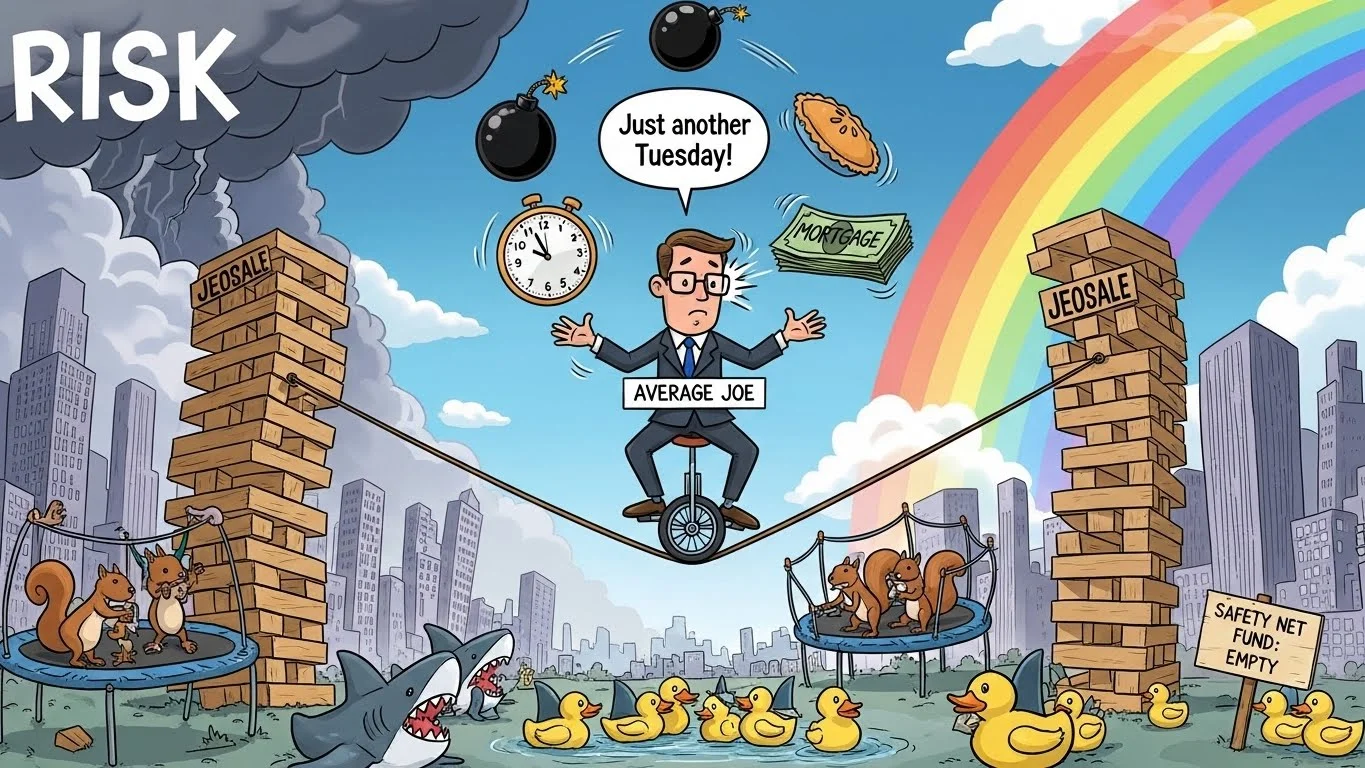
Risk means the chance that something may go wrong, but it may also lead to success if handled wisely.
Risk in One Simple Sentence
Risk is the possibility of loss or harm when the outcome is uncertain.