

What Is the Meaning of Sleep Paralysis?
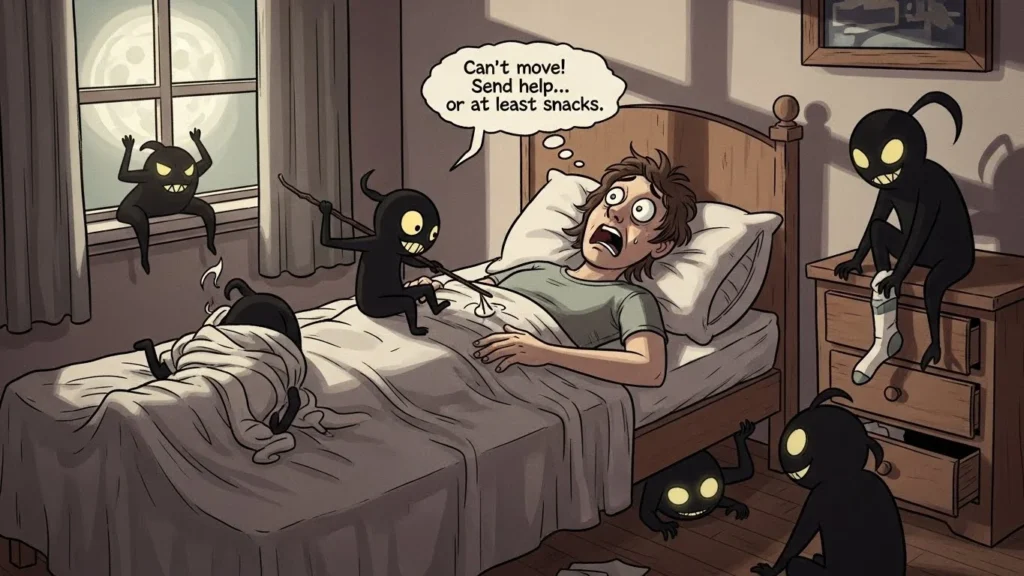
The sleep paralysis meaning refers to a temporary condition where a person is conscious but unable to move or speak while falling asleep or waking up.
The Basic Definition of Sleep Paralysis
Sleep paralysis occurs when the body remains in a sleep state while the brain wakes up. This causes brief muscle paralysis that prevents movement.
Sleep Paralysis Meaning in Simple Words
In simple words, sleep paralysis means your mind wakes up, but your body does not for a short time.
When Does Sleep Paralysis Happen?
Sleep paralysis usually happens:
As you are falling asleep
When you are waking up
During disrupted or irregular sleep
How Long Does Sleep Paralysis Last?
Most episodes last from a few seconds to a couple of minutes. Although it feels long, sleep paralysis almost always ends on its own.
Sleep Paralysis Meaning in Daily Life
In daily life, people describe sleep paralysis as waking up and feeling “stuck” or “frozen” while being aware of their surroundings.
Common Symptoms of Sleep Paralysis
Typical symptoms include:
Inability to move
Inability to speak
Pressure on the chest
Fear or panic
Awareness of the room
Sleep Paralysis and Hallucinations
Some people experience hallucinations during sleep paralysis, such as seeing shadows, hearing sounds, or sensing a presence.
Why Hallucinations Feel Real
During sleep paralysis, the brain may still be dreaming. This causes dream-like images to blend with reality, making the experience feel very real.
Sleep Paralysis Meaning in Science
Scientifically, sleep paralysis is linked to REM sleep, a stage where the brain is active but muscles are relaxed to prevent acting out dreams.
Sleep Paralysis vs Nightmares
Nightmares happen during sleep
Sleep paralysis happens while waking or falling asleep
You are aware during sleep paralysis, which makes it more intense.
Sleep Paralysis vs Being Tired
Being tired can increase the risk of sleep paralysis, but sleep paralysis is not simply extreme tiredness.
Common Causes of Sleep Paralysis
Sleep paralysis may be triggered by:
Lack of sleep
Irregular sleep schedules
Stress or anxiety
Sleeping on your back
Sleep disorders
Is Sleep Paralysis Dangerous?
Sleep paralysis is generally not dangerous. It does not cause physical harm, even though it can feel frightening.
Sleep Paralysis Meaning in Mental Health Contexts
Sleep paralysis is not a mental illness. However, stress, anxiety, and sleep disorders can increase how often it occurs.
Cultural Beliefs About Sleep Paralysis
In different cultures, sleep paralysis has been linked to myths, spirits, or supernatural explanations. Science now provides a clear explanation.
Common Misunderstandings About Sleep Paralysis
Many people believe:
Sleep paralysis means something supernatural
It causes permanent harm
It means you are losing control of your body
These beliefs are not accurate.
How Sleep Paralysis Is Commonly Managed
Management often includes:
Better sleep habits
Stress reduction
Regular sleep schedules
Avoiding sleep deprivation
Can Sleep Paralysis Be Prevented?
While it cannot always be prevented, improving sleep quality can reduce how often it happens.
Sleep Paralysis Meaning in Modern Usage
Today, sleep paralysis is widely discussed online, especially in relation to vivid experiences and mental awareness during sleep transitions.
How to Use Sleep Paralysis in a Sentence
Examples:
She experienced sleep paralysis during a stressful week.
Sleep paralysis can feel frightening but is usually harmless.
Doctors explained the sleep paralysis meaning clearly.