

What Is Technocracy?
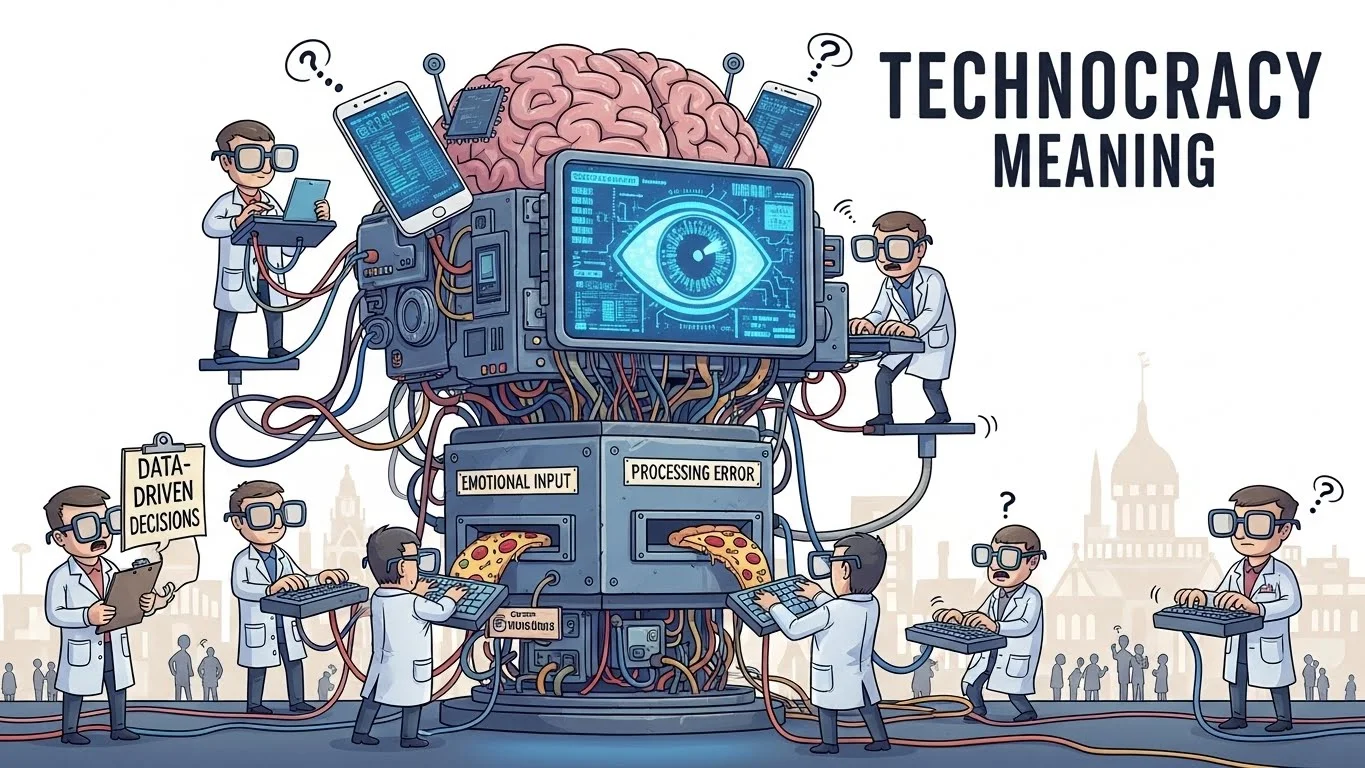
Technocracy is a system of governance where decision-makers are chosen based on their expertise and technical knowledge rather than political popularity. Experts, scientists, and professionals manage resources, policies, and societal planning.
Origins of Technocracy
The idea of technocracy first emerged in the early 20th century, especially during industrial and scientific growth. It promoted the idea that trained experts could manage society more efficiently than traditional politicians.
Technocracy in Modern Politics
In today’s world, technocracy often appears in governments or organizations when experts guide policies. Examples include economic advisors shaping fiscal policy or scientists directing public health decisions.
Difference Between Technocracy and Democracy
While democracy relies on elected representatives chosen by citizens, technocracy emphasizes competence and knowledge. Decisions are made for efficiency and practicality rather than voter popularity.
Common Misunderstandings About Technocracy
Many people confuse technocracy with elitism or authoritarianism. While technocracy prioritizes expertise, it does not necessarily remove public accountability or participation.
Technocracy in Daily Life
Technocracy is not just political—it affects everyday life. For instance, urban planning, environmental policies, and public transport systems are often designed by experts using technocratic principles.
Technocracy vs Meritocracy
While both systems value skill, technocracy focuses on technical knowledge for governance, whereas meritocracy rewards individual talent in broader areas like business, education, or society.
Examples of Technocratic Governance
Countries like Singapore and Switzerland often implement technocratic principles. Agencies like central banks and health ministries are frequently managed by experts rather than politicians.
Advantages of Technocracy
Efficient decision-making
Evidence-based policies
Reduced political bias
Long-term societal planning
Criticisms of Technocracy
Limited public participation
Risk of disconnect from citizen needs
Overemphasis on technical knowledge can ignore social values
Technocracy in Business
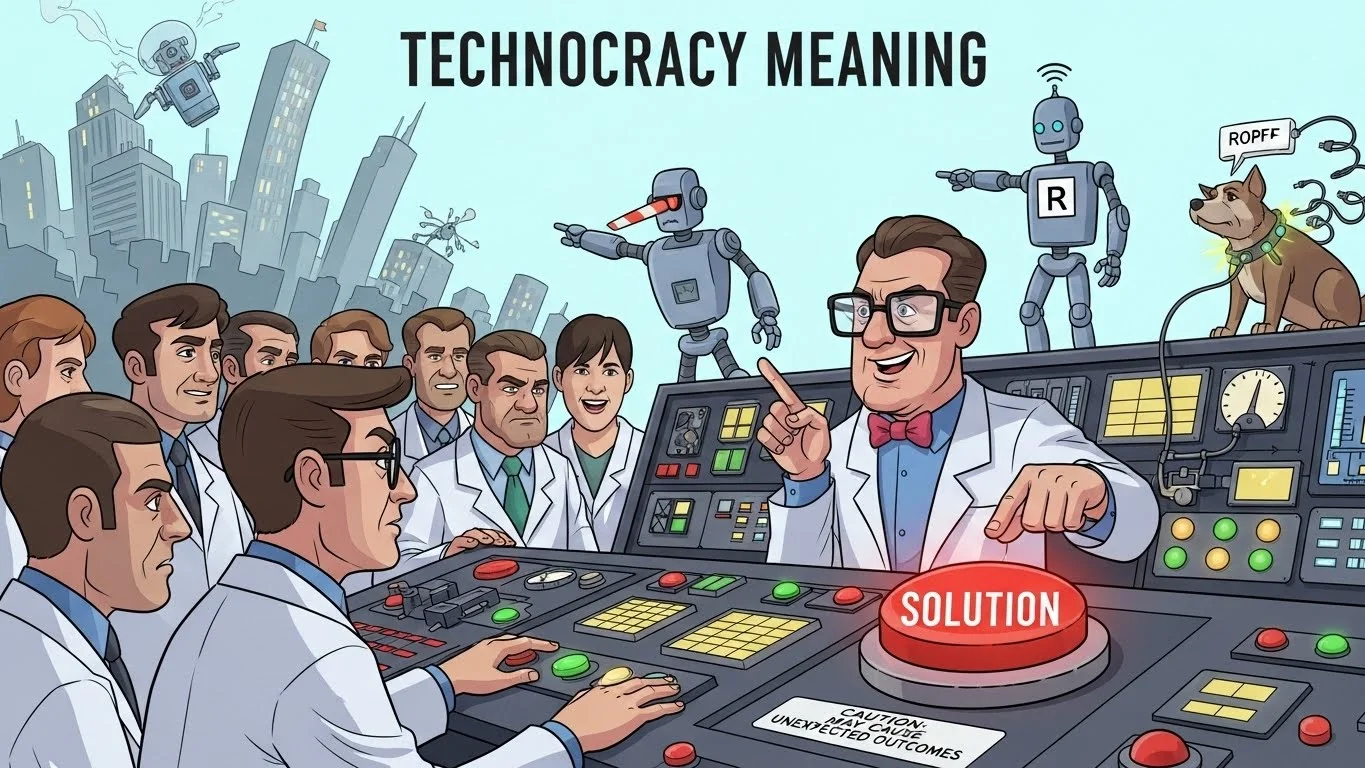
Businesses also apply technocratic ideas. Leaders rely on data-driven decisions and specialist teams to manage projects efficiently, similar to how governments rely on experts.
Technocracy in Technology
The rise of AI, automation, and big data has strengthened technocratic influence. Experts in technology often shape regulations, cybersecurity, and digital infrastructure.
Technocracy in Education
Educational systems sometimes use technocratic approaches to improve quality, with policies guided by researchers and pedagogical experts.
Technocracy in Science and Healthcare
Medical boards, health ministries, and research councils operate on technocratic principles, making decisions based on data and expertise rather than politics.
Technocracy and the Environment
Environmental planning, climate change policies, and sustainability projects often rely on expert decision-making, showcasing technocracy in action.
Modern Usage of Technocracy
Today, technocracy is widely discussed in debates about AI governance, pandemic management, and economic planning. It is seen as a practical approach to complex challenges.
Technocracy in Media and Pop Culture
Movies, documentaries, and books often explore technocracy as futuristic societies run by scientists or engineers, sometimes highlighting potential risks or benefits.
How Technocracy Affects Citizens
A technocratic system can make life more efficient through better infrastructure, public services, and policies. However, it may feel less participatory if citizens have little direct influence on decisions.
Technocracy vs Oligarchy
Unlike an oligarchy where power is based on wealth or social status, technocracy prioritizes knowledge and skill in decision-making.
Future of Technocracy
With increasing global challenges, technocracy may become more common in governance, urban planning, and technology management to ensure rational, expert-led solutions.
Key Takeaways About Technocracy
Technocracy is a system led by experts, aiming for efficiency and evidence-based decisions. While it has advantages in planning and problem-solving, balancing expertise with public input is essential.