
What Is Term Life Insurance
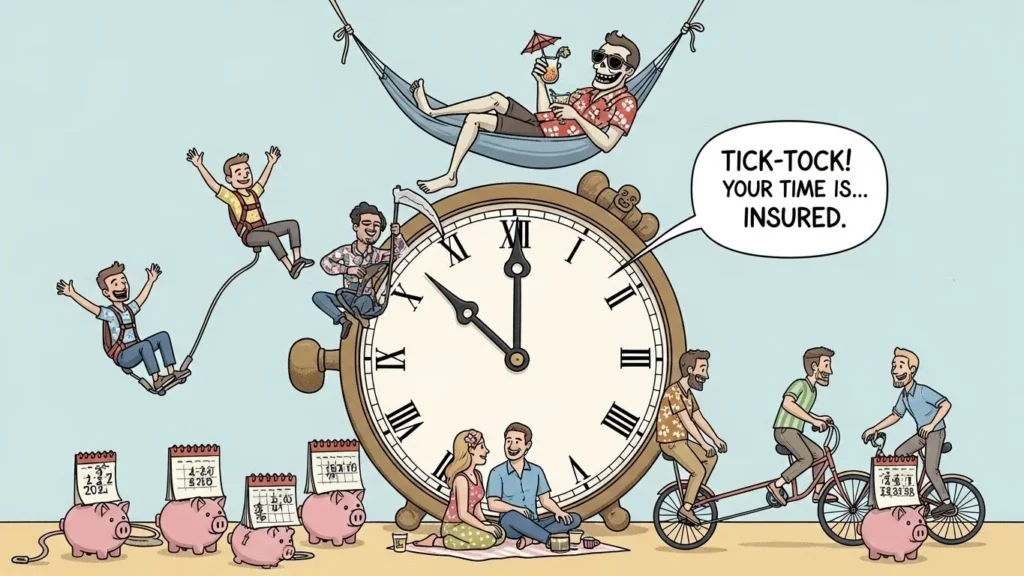
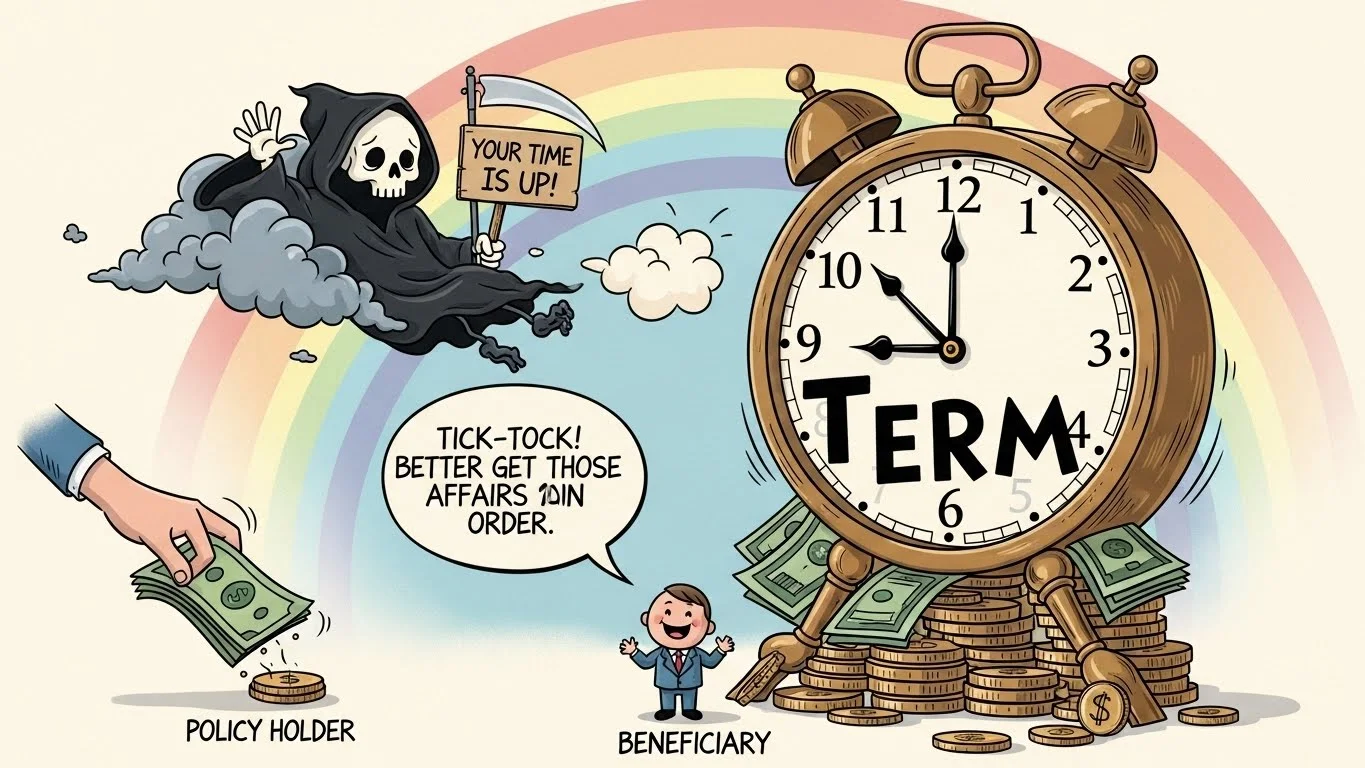
Term life insurance is a type of life insurance that provides coverage for a specific period of time, called a “term.” If the insured person passes away during that term, the insurance company pays a death benefit to the chosen beneficiaries. If the term ends and the person is still alive, the coverage expires.
Term Life Insurance Meaning in Simple Words
In the simplest terms, term life insurance is temporary life insurance. You pay a monthly or yearly premium, and if something happens to you during the agreed time period, your family receives financial support.
Why It Is Called “Term” Life Insurance
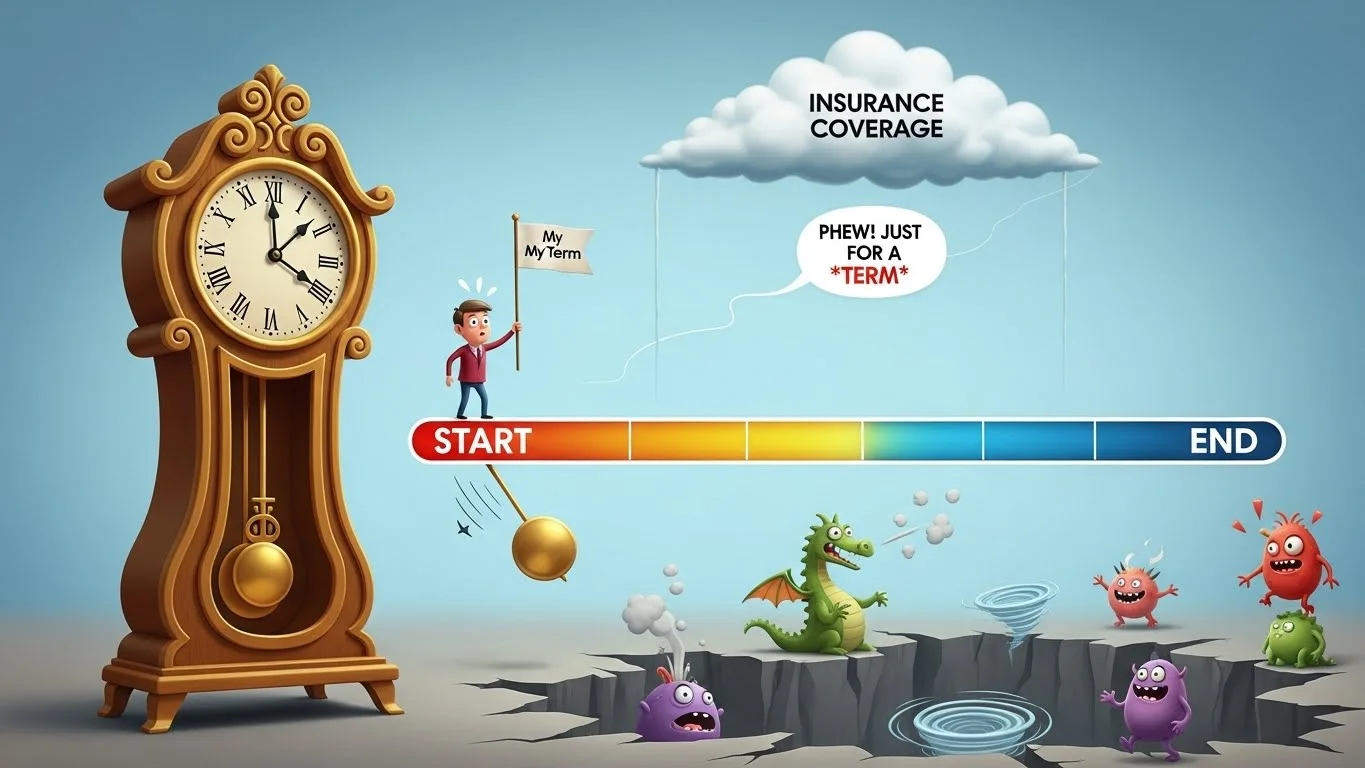
The word “term” refers to the length of time the policy lasts. Common terms are 10, 20, or 30 years. Once that term is over, the policy ends unless you renew or convert it.
How Term Life Insurance Works
You choose a coverage amount and a term length. You pay regular premiums. If death occurs during the term, the insurer pays the benefit. If not, the policy simply ends without a payout.
Common Term Length Options
Most term life insurance policies are offered in fixed lengths, such as 10-year, 20-year, or 30-year terms. People usually choose a term that matches major financial responsibilities like mortgages or raising children.
Who Typically Needs Term Life Insurance
Term life insurance is commonly chosen by parents, homeowners, young professionals, and anyone with dependents. It is especially useful for people who need affordable coverage during key life stages.
Term Life Insurance vs Whole Life Insurance
Term life insurance covers a limited time and is usually cheaper. Whole life insurance lasts your entire life and includes a savings component, but it costs more. The main difference is duration and cost.
Why Term Life Insurance Is Often More Affordable
Because it only covers a specific period and has no cash value, term life insurance has lower premiums. This makes it a popular choice for people on a budget.
What Happens When the Term Ends
When the term ends, coverage stops. Some policies allow renewal at a higher cost, while others allow conversion to permanent life insurance. If no action is taken, the policy expires.
Death Benefit Explained
The death benefit is the money paid to beneficiaries if the insured person dies during the term. This money can be used for funeral costs, daily expenses, debts, or future financial needs.
Premiums and Payment Structure
Premiums are usually fixed, meaning they stay the same throughout the term. Payments can be monthly, quarterly, or yearly depending on the policy.
Term Life Insurance in Daily Life
In everyday life, term life insurance acts as a financial safety net. It helps families stay financially stable if a main income earner passes away unexpectedly.

Modern Use of Term Life Insurance
Today, many people buy term life insurance online. Digital tools make it easier to compare policies, calculate coverage needs, and apply quickly.
Common Misunderstandings About Term Life Insurance
A common misunderstanding is that term life insurance is “wasted money” if you don’t die during the term. In reality, it provides peace of mind and protection when it’s needed most.
Is Term Life Insurance a Good Investment
Term life insurance is not an investment. It is a protection tool. Its main purpose is financial security, not savings or returns.
Factors That Affect Term Life Insurance Cost
Age, health, lifestyle, coverage amount, and term length all affect the cost. Younger and healthier people usually get lower premiums.
Can You Cancel Term Life Insurance Anytime
Yes, most term life insurance policies can be canceled at any time. There are usually no penalties, but you won’t receive any money back.
Term Life Insurance and Financial Planning
Term life insurance is often part of a broader financial plan. It helps cover risks during years when financial responsibilities are highest.
When Term Life Insurance Makes the Most Sense
It makes the most sense when you need affordable coverage for a specific period, such as while raising children or paying off a loan.
Is Term Life Insurance Right for Everyone
Term life insurance is not for everyone. People with lifelong dependents or estate planning needs may consider permanent options instead.