
Termination Meaning in Simple Terms
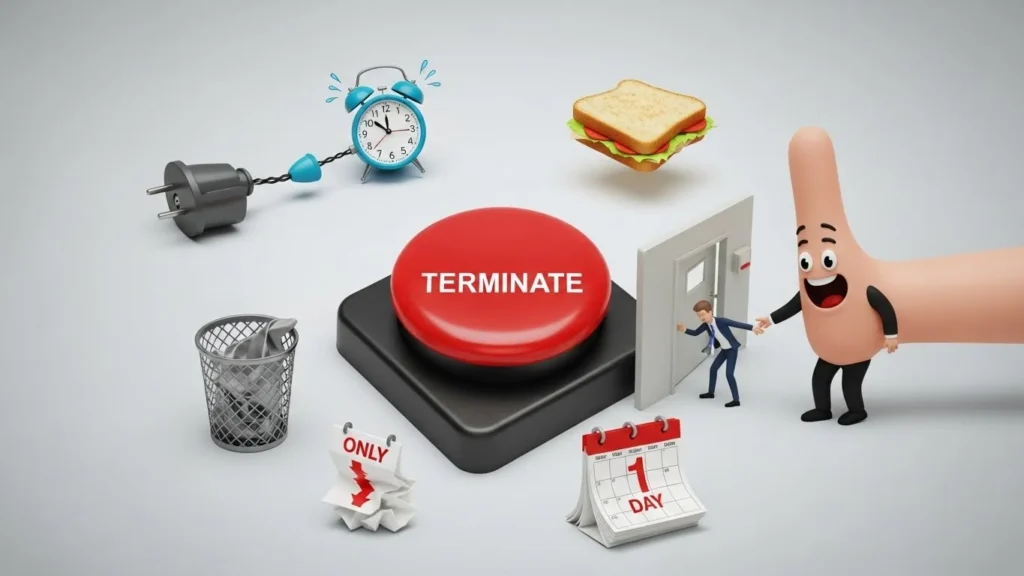
At its core, termination means the act of ending something. That “something” could be a job, an agreement, a process, or a relationship.
If something is terminated, it does not continue beyond that point.
Basic Definition of Termination
Termination refers to a formal or final ending of a situation, arrangement, or activity. It usually suggests that the ending is intentional and official, not accidental.
For example:
Termination of employment
Termination of a contract
Termination of services
Origin and History of the Word Termination
The word termination comes from the Latin word terminare, which means “to limit” or “to bring to an end.” Over time, it entered English to describe clear endings or boundaries.
This historical meaning explains why termination often sounds formal or serious.
Termination Meaning in Everyday Language
In daily life, termination simply means stopping something completely. People may use it instead of words like:
Ending
Stopping
Closing
Finishing
Example: “The service was terminated due to non-payment.”
Termination Meaning in the Workplace
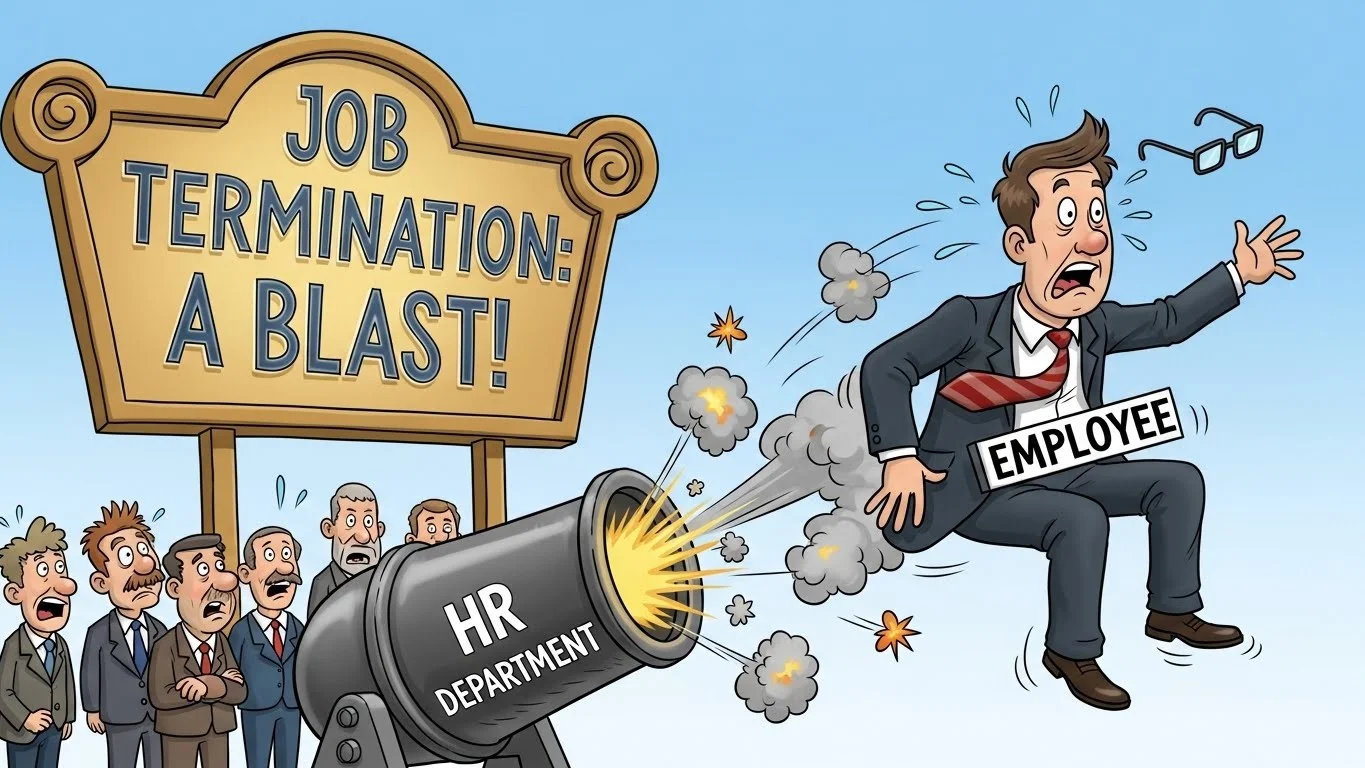
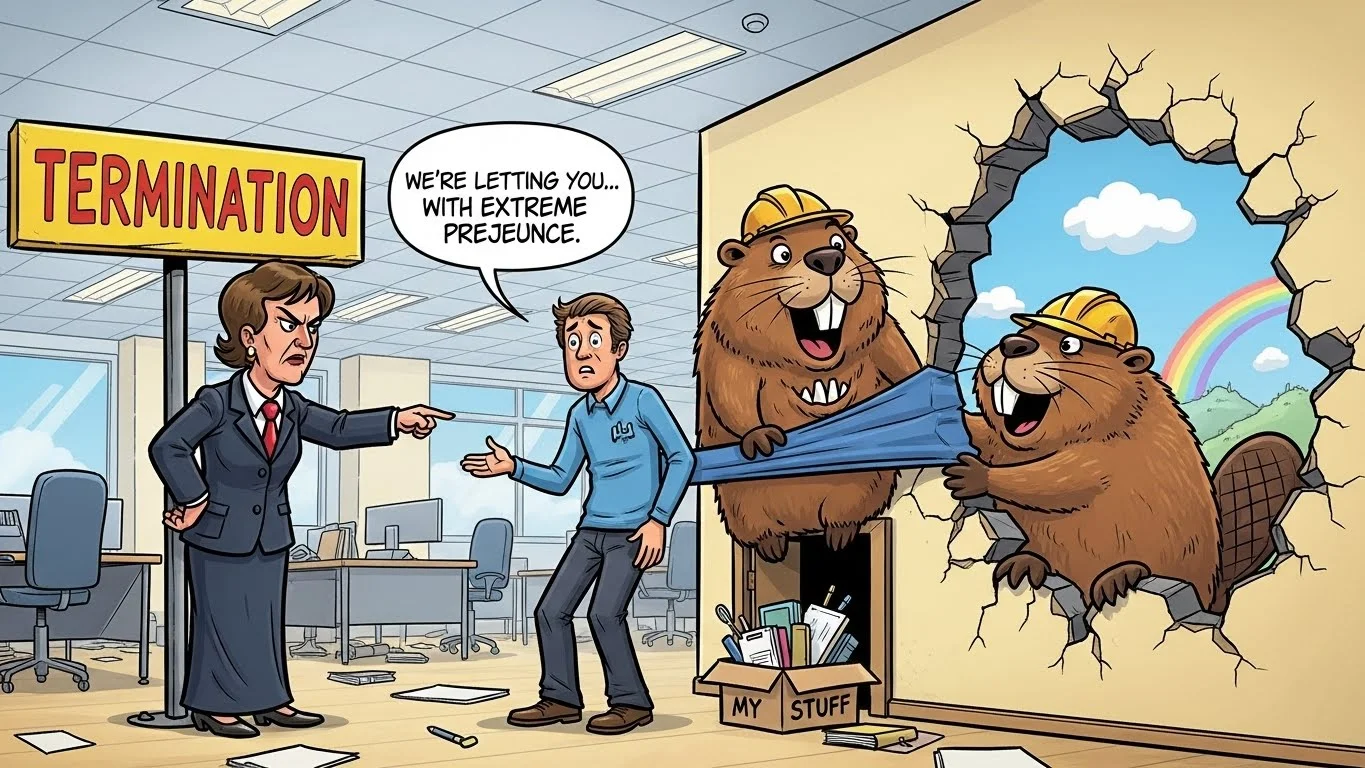
In work settings, termination usually refers to ending an employee’s job. This can happen for many reasons, including performance issues, company downsizing, or policy violations.
Workplace termination can be:
Voluntary (employee resigns)
Involuntary (employer ends employment)
Termination vs Resignation
Termination and resignation are often confused.
Termination: The employer ends the job
Resignation: The employee chooses to leave
Both end employment, but who makes the decision matters.
Termination Meaning in Contracts
In contracts, termination means ending an agreement before or at its completion. Most contracts include termination clauses explaining:
When termination is allowed
How much notice is required
What happens after termination
Termination in Legal Contexts
In legal language, termination is a precise term that marks the official end of rights, duties, or obligations. Legal termination often requires written notice or documentation.
Because of its legal weight, the word is used carefully.
Termination Meaning in Relationships
Outside of work and law, termination can describe ending a personal relationship. While less common than words like “breakup,” it may be used in formal or serious discussions.
Example: “They agreed to a mutual termination of the relationship.”
Termination in Business and Services
Businesses use termination to describe stopping services, subscriptions, or partnerships.
Examples include:
Account termination
Service termination
Vendor termination
This usage emphasizes clarity and finality.
Termination Meaning in Technology
In technology, termination can describe the end of a process, connection, or session.
Examples:
Terminating a program
Terminating a network connection
Terminating user access
Emotional Impact of the Word Termination
The word termination often sounds harsh or negative. That’s because it’s commonly associated with job loss or legal action. However, the word itself is neutral—it simply means an ending.
The emotional reaction depends on the context.
Common Reasons for Termination
Termination happens for many reasons, such as:
Completion of a task or contract
Policy violations
Financial issues
Mutual agreement
Change in circumstances
Not all terminations are bad or unexpected.
Termination Meaning vs Cancellation
Termination and cancellation are similar but not identical.
Termination often implies a formal or permanent ending
Cancellation usually means stopping something before it starts or finishes
Termination sounds more official.
Formal vs Informal Use of Termination
Termination is more common in formal writing, such as:
Legal documents
Company policies
Official notices
In casual speech, people prefer simpler words like “end” or “stop.”
Is Termination Always Permanent?
Not always. Some terminations are permanent, while others allow reinstatement or renewal.
For example:
A contract may be terminated but renegotiated later
An account may be terminated and reopened
Termination Notices Explained
A termination notice is a formal message informing someone that something is ending. It usually includes:
The reason
The effective date
Any next steps
These notices help prevent confusion or disputes.
Misunderstandings About Termination Meaning
Common misconceptions include:
Termination always means punishment
Termination is illegal
Termination cannot be reversed
In reality, termination is often routine and lawful.
Why
Termination Is Used Instead of Simpler Words
Organizations prefer the word termination because it:
Sounds neutral and professional
Has legal clarity
Reduces ambiguity
This makes it safer in formal communication.
How Context Changes the Meaning of Termination
The meaning of termination depends heavily on context. In medicine, law, work, or daily life, the word takes on slightly different meanings—but always points to an ending.
Understanding context prevents confusion.